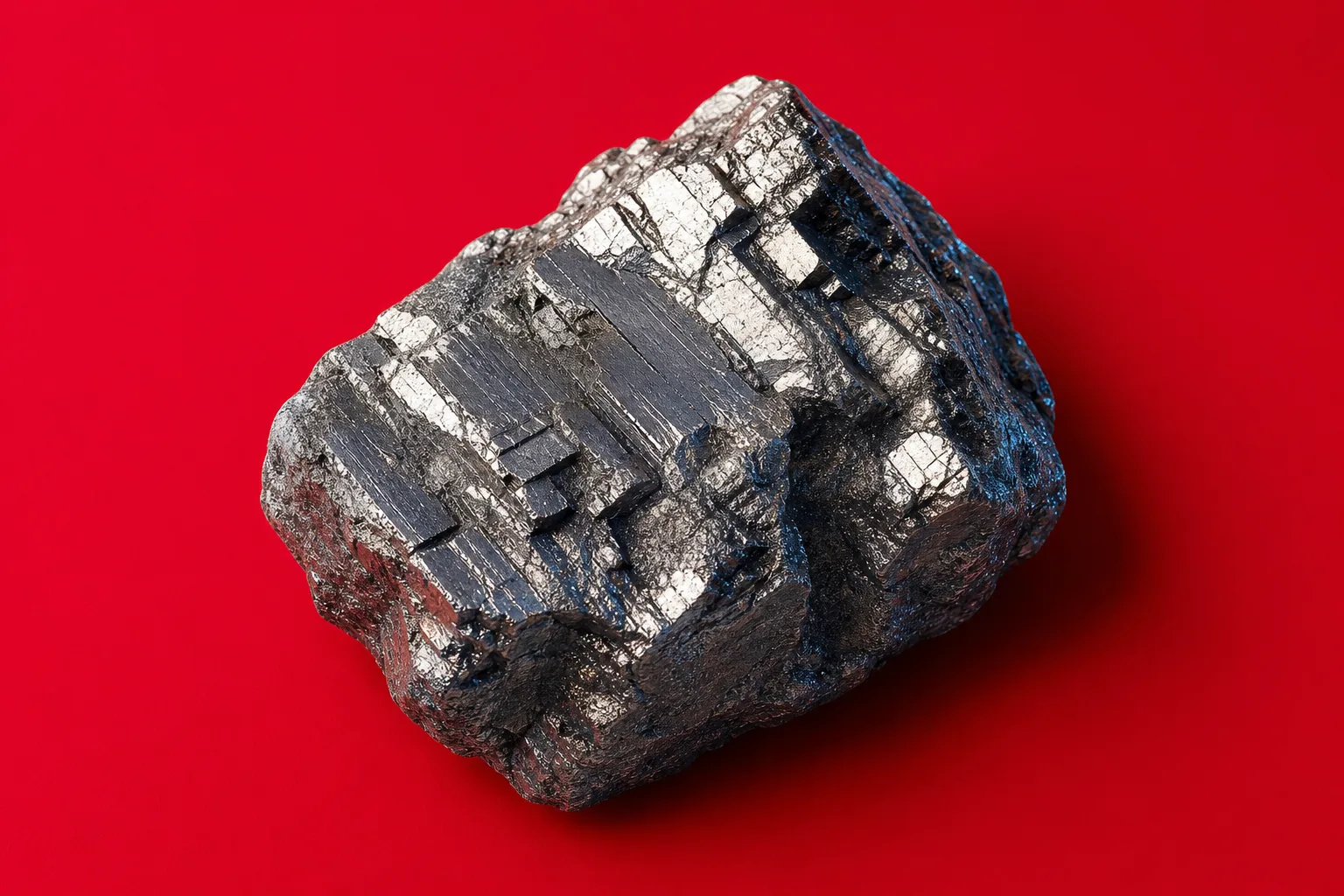
Almonty Industries has struck a binding agreement with Rwanda aimed at accelerating tungsten supply to customers in the U.S., Europe, Japan and South Korea. The deal gives Rwanda a 25% stake in Almonty’s local subsidiary in exchange for an exploration concession and a processing license, while Almonty retains 75%.
The Almonty Rwanda tungsten deal stands out because it focuses on near-term supply rather than waiting years for a new mine to be built. In a market squeezed by Chinese export restrictions and rising resource nationalism, speed has become a strategic advantage.
For investors, the transaction is another sign that tungsten has moved from a niche industrial metal to a geopolitical material tied to defense, semiconductors, power infrastructure and precision tooling.
Key Facts
- Rwanda will hold 25% of Almonty’s local subsidiary, while Almonty will own the remaining 75%.
- The venture includes an exploration concession and processing license covering the roughly 12-square-mile Shyorongi area.
- Almonty began processing ore at its Sangdong mine in South Korea in June, with throughput potentially reaching 1.2 million tons of tungsten ore in 2027.
- In July, Almonty extended its supply agreement with Global Tungsten & Powders to 21 years, lifting contracted volumes by 40% and improving pricing by about 6.3%.
- Chinese exports of ammonium paratungstate fell 70% in the first 11 months of 2025, while Rotterdam APT prices rose from about $390 per metric ton unit at the start of 2025 to roughly $3,400 in the spring.
Almonty Rwanda Tungsten Deal
The core logic of the Rwanda partnership is simple: secure material faster by aggregating output from existing licensed producers, including small-scale miners, and then build processing capacity around that flow. Instead of waiting for a greenfield mine to move through permitting, construction and commissioning, the company plans to acquire ore, pre-concentrate and panning tailings that are already being produced inside Africa’s largest tungsten-producing country.
That matters because tungsten supply chains have become increasingly fragile. China holds a dominant position across tungsten and other critical minerals, and export-licensing requirements introduced in February 2025 tightened an already constrained market. For Western buyers, especially those serving defense and high-end manufacturing, a traceable and conflict-free source is no longer just a procurement preference. It is becoming a commercial requirement.
The deal also broadens Almonty’s geographic footprint at a time when end users are actively seeking ex-China supply. The company already has operations in Portugal, projects in Spain and the U.S., and its flagship Sangdong mine in South Korea is ramping. Rwanda adds a faster-response sourcing platform that could feed customers before larger mine developments elsewhere come online.
In the current tungsten market, the winners are likely to be the companies that can deliver verified supply quickly, not just promise future production.
Why Rwanda matters in tungsten
Rwanda’s role is significant because it combines existing tungsten production with a structure that can be formalized for international buyers. The planned use of a mobile processing unit near existing tailings dams suggests the venture is designed to extract value from material that can be processed sooner, while the partners work toward a permanent collection and processing facility.
That operating model could become a template for other countries where small-scale tungsten mining exists but lacks integrated downstream infrastructure. If successful, it gives Almonty a repeatable playbook: partner locally, secure licensed feedstock, improve traceability, and connect output to Western industrial customers under longer-term contracts.
Implications for Investors
For investors, the biggest takeaway is that Almonty is trying to solve the timing problem that defines many critical-minerals stories. Markets often reward resource companies for discoveries, but industrial customers pay up for dependable material. By pairing the Rwanda venture with Sangdong’s ramp-up and a 21-year offtake relationship with Global Tungsten & Powders, Almonty is positioning itself closer to that second category.
The opportunity is clear: if tungsten shortages persist, companies with near-term deliverable supply could benefit from stronger pricing, tighter customer relationships and improved strategic value. Demand exposure spans multiple sectors, including cutting tools, defense systems, semiconductor manufacturing and grid-related equipment. A supply chain that bypasses China could command a premium if disruptions continue.
The risks are equally important. Rwanda execution will depend on logistics, licensing, ore quality, processing efficiency and the ability to maintain rigorous traceability standards. Investors should also watch whether higher prices attract competing supply from other jurisdictions, or whether policy changes ease market tightness. In addition, scaling multiple assets at once can strain capital, management attention and operating consistency.
Still, the market backdrop remains supportive for credible tungsten producers. If Almonty can convert Rwanda feedstock, South Korean mine ramp-up and downstream processing plans into consistent shipments, it could strengthen its case as a leading Western tungsten supplier by 2027. The next milestones to watch are production volumes, processing buildout and further long-term customer agreements.