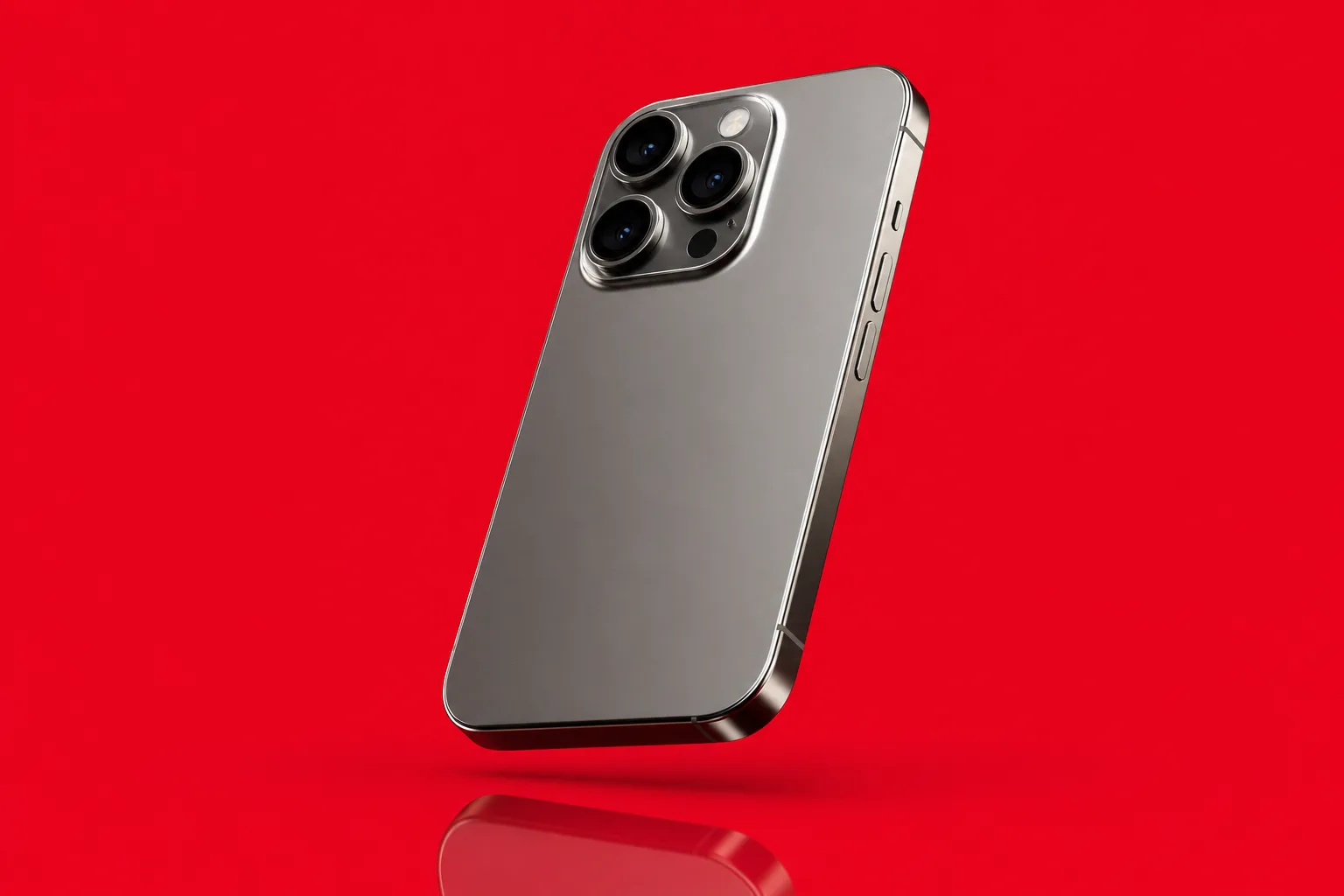
Apple’s iPhone 18 demand in China is showing early signs of strain, especially at the top end of the lineup. The clearest signal so far is not official shipment data, but the secondary market: resale prices for the iPhone 18 Pro and Pro Max in Hong Kong have weakened versus last year’s comparable launch period.
That matters because resale premiums often reflect real-time enthusiasm from buyers willing to pay above retail to get new devices quickly. By September 27, many iPhone 18 Pro variants were already trading at discounts, while only the 256GB iPhone 18 Pro Max held a meaningful premium, at roughly 8% above Apple’s official selling price.
The softness comes at a sensitive moment for Apple. The company has pushed premium-model prices higher by $400 to $500, and investors are now assessing whether customers will continue paying more for incremental upgrades in one of Apple’s most strategically important markets.
Key Facts
- As of September 27, the 256GB iPhone 18 Pro Max was the only variant still carrying a notable resale premium, at about 8% above retail.
- Resale prices for iPhone 18 Pro models in Hong Kong implied discounts across almost all variants during the early launch window.
- Apple raised prices by roughly $400 to $500 on higher-end iPhone 18 models versus prior expectations for premium buyers.
- Lead times for iPhone 18 Pro Max were longer year over year in Hong Kong, China, and the U.S., but shorter in the UK and Germany and flat in Japan as of September 27.
- Pre-orders for the DUO model are scheduled to start on October 16, with deliveries expected from October 23.
iPhone 18 Demand in China
The central issue is whether Apple’s premium strategy is running into resistance in China. Early resale behavior suggests buyers are more selective this cycle, particularly for expensive storage-heavy models such as the 1TB and 2TB versions of the iPhone 18 Pro and Pro Max. In prior years, stronger resale premiums helped signal tighter demand and greater scarcity. This time, that dynamic appears weaker.
Part of the pressure may be straightforward pricing fatigue. A $400 to $500 step-up can be difficult to justify if consumers do not see a correspondingly large jump in everyday performance or feature value. That question becomes more acute in a Chinese smartphone market where domestic competitors continue to improve premium hardware, camera systems, battery life, and foldable offerings.
Another concern centers on component choices. Apple’s move from TLC to lower-cost QLC NAND storage in the 1TB and 2TB Pro models could make those versions less appealing to sophisticated users who care about storage performance and durability characteristics. Even if most consumers never notice the difference in daily use, the perception of paying more while receiving a lower-spec memory technology can weigh on demand in the highest-priced configurations.
Weak resale premiums are the market’s fastest read on whether Apple’s latest premium iPhones are inspiring urgency or caution, and the early message from China looks mixed at best.
Why lead times and resale prices are sending different signals
Delivery lead times recovered into the weekend, which on the surface could look encouraging. Longer waits often suggest stronger-than-expected orders. But lead times can also be influenced by production constraints, channel allocation, and supply ramp timing, making them less clean as a demand indicator than resale pricing.
That distinction is especially important for the new DUO model. Apple may be tightening available supply as it ramps production ahead of the October 23 delivery window. If so, longer lead times would not necessarily mean demand is accelerating. For investors, the combination of softer resale prices and firmer lead times points to a launch that is neither outright weak nor convincingly strong.
DUO excitement faces a China-specific adoption hurdle
The DUO model has generated attention for its thin design and novelty appeal, but its eSIM-only setup could limit broader uptake in China. Although eSIM use has been approved, activation still requires in-person registration at carrier stores. That adds friction in a market where convenience strongly influences upgrade decisions.
There is also a practical constraint: China’s DUO supports only two eSIM numbers, compared with up to eight on compatible iPhones in Hong Kong. For users who maintain multiple lines for work, personal use, and travel, that cap could be a meaningful drawback. A customer using two domestic numbers may need to suspend one line in person to add a travel eSIM, then return to a store again to reactivate the suspended number. That process may be acceptable for status-driven early adopters, but it is far less attractive for mainstream premium buyers.
Implications for Investors
For investors, the immediate takeaway is that Apple’s high-end pricing power in China is being tested more visibly than in some recent cycles. If weak resale trends persist beyond the initial launch window, the market may start questioning whether average selling price gains can offset slower unit momentum in premium models. That matters because China remains a critical source of both revenue and brand influence for Apple.
There are several watch-points over the coming weeks. First, investors should monitor whether resale prices stabilize or improve after October 16 pre-orders for DUO begin. Second, lead times need to be read alongside channel inventory data and carrier promotions to determine whether delays reflect healthy demand or constrained supply. Third, product mix will be important: weakness in 1TB and 2TB variants could pressure the profitability benefits usually associated with ultra-premium configurations.
The broader competitive backdrop also cannot be ignored. If Chinese consumers are becoming less willing to pay large premiums for iterative upgrades, local smartphone makers may gain an opening to capture affluent buyers with foldables or flagship alternatives. For Apple, maintaining momentum may require not just brand strength, but clearer differentiation in features, software integration, and ownership experience.
Apple’s next signals from China will likely come through a combination of post-launch pricing trends, DUO order traction, and any changes in waiting times after October 23 deliveries begin. If resale weakness continues, investors may need to recalibrate expectations for the iPhone 18 cycle’s premium upside in one of the company’s most closely watched markets.