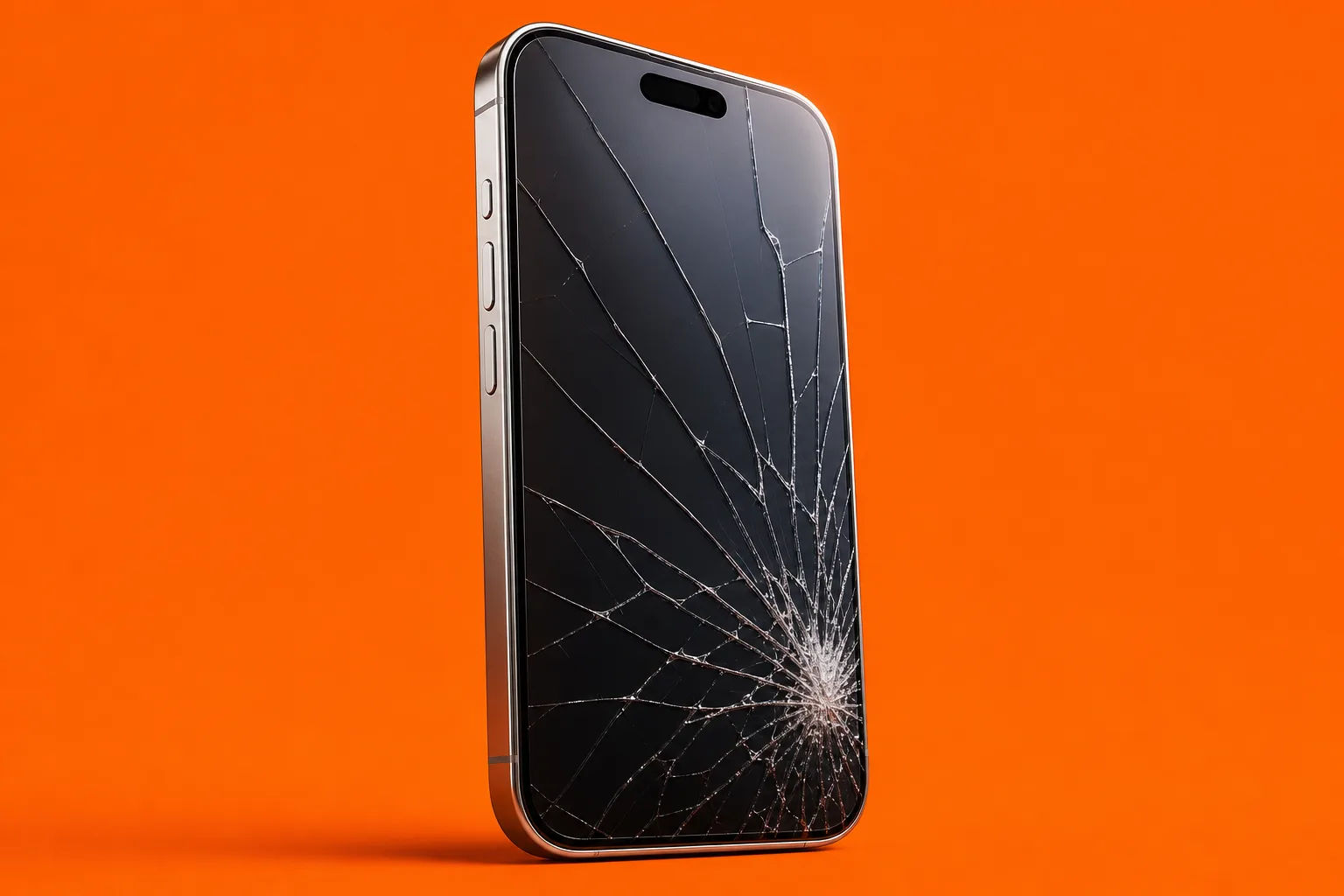
Apple has begun offering replacements for some iPhone Duo owners after reports of cracked inner displays surfaced shortly after the foldable device reached customers. The failures, described by users as appearing after a “crunching” sound during use, hit a product priced at roughly $2,000 and launched with high expectations.
The iPhone Duo issue matters beyond a typical hardware defect. Apple’s first major foldable entry is a closely watched expansion into a category that has struggled with durability concerns, and the company’s response could shape consumer confidence, early demand, and investor expectations for the product line.
For markets, the immediate question is not only how many units are affected, but whether the problem points to a deeper hinge or structural weakness that could turn a manageable warranty event into a broader product-cycle setback.
Key Facts
- Apple said a small number of iPhone Duo units are experiencing issues with the inner display and affected customers should contact AppleCare for a replacement.
- User complaints spread across social platforms in late October 2026, with several posts showing cracks running down the center of the foldable screen.
- One widely shared user claim said an iPhone Duo failed after 75,000 folds, a notable data point for a device costing about $2,000.
- The company moved to acknowledge the issue on October 26, 2026, only days after launch concerns began gaining traction online.
- Teardown analysis cited in the discussion suggested a central support bar or hinge-related stress point may be contributing to the display damage.
Apple iPhone Duo
The core problem appears to involve the iPhone Duo’s inner display, the most technically complex and commercially important component in a foldable smartphone. Early users reported hearing a crunching noise while opening or using the device, followed by visible damage and loss of screen function. Images shared online showed cracks concentrated near the center crease, which immediately fueled concerns that the issue may be linked to the hinge mechanism rather than isolated handling damage.
That distinction is important. If the failures are limited to a small production batch, Apple may be able to contain the issue through replacements and modest warranty costs. But if the defect stems from the Duo’s structural design, the company could face a more expensive chain of consequences: higher return rates, slower carrier and retail sell-through, and pressure to revise manufacturing or suspend shipments while engineers validate a fix.
The timing also amplifies the stakes. The iPhone Duo represents Apple’s push into a premium category where rivals have already spent years educating consumers and absorbing early engineering mistakes. Entering that market should have allowed Apple to avoid first-generation pitfalls. Instead, the company now faces the risk that its debut foldable device becomes associated with durability concerns before it can establish a broader installed base.
Apple’s replacement program is a necessary first response, but investors will be watching whether the iPhone Duo problem remains a limited warranty issue or develops into a larger design challenge.
Why the foldable design matters
Foldable smartphones concentrate stress in one place: the flexible inner display and the hardware beneath the crease. In the iPhone Duo’s case, teardown commentary has pointed to the possibility that a central support structure may not fully clear the display during the folding motion. If that assessment is accurate, repeated use could create a pressure point that gradually weakens the panel before it fails.
The comparison many industry watchers will make is to the early foldable launches seen in 2019, when durability concerns briefly disrupted momentum in the category. Those episodes showed that engineering fixes are possible, but they also demonstrated how quickly premium buyers can lose trust when a flagship form factor appears fragile. For Apple, brand strength can cushion early criticism, yet it does not eliminate the operational and reputational cost of a hardware misstep.
Implications for Investors
For investors, the first variable to monitor is scale. Apple described the issue as affecting a small number of units, which suggests the company believes the problem is currently contained. If replacement volumes remain low, the near-term financial effect could be limited mostly to service costs and some reputational noise. That outcome would be far less damaging than a formal recall or a significant production redesign.
The second variable is demand elasticity in the premium segment. At around $2,000, the iPhone Duo targets high-income consumers, early adopters, and Apple loyalists willing to pay for new hardware categories. Those buyers can be enthusiastic, but they are also highly sensitive to signs that a breakthrough product is unfinished. A visible durability issue can delay upgrades, increase cancellation rates, and weaken the halo effect Apple typically relies on when launching a new form factor.
Third, leadership execution is now part of the story. The foldable rollout is unfolding under John Ternus, and early handling of the issue will be watched as a test of product stewardship. A fast, transparent, and technically credible response could limit the damage. A slow or ambiguous response, by contrast, would raise broader questions about quality control, product-readiness thresholds, and margin exposure if warranty claims rise.
Investors should also watch for clues in coming supply-chain updates, customer wait times for replacements, and any revision to shipment expectations for the holiday cycle. If Apple avoids widening the issue and preserves confidence in the iPhone Duo roadmap, the episode may fade into a manageable launch problem. If failures keep surfacing, the foldable strategy could face a slower and more expensive path than the market initially expected.
The next few weeks are likely to determine whether the iPhone Duo cracking issue is remembered as an early stumble or a more serious warning about first-generation foldable execution. Apple’s replacement response has bought time; engineering clarity will decide what comes next.