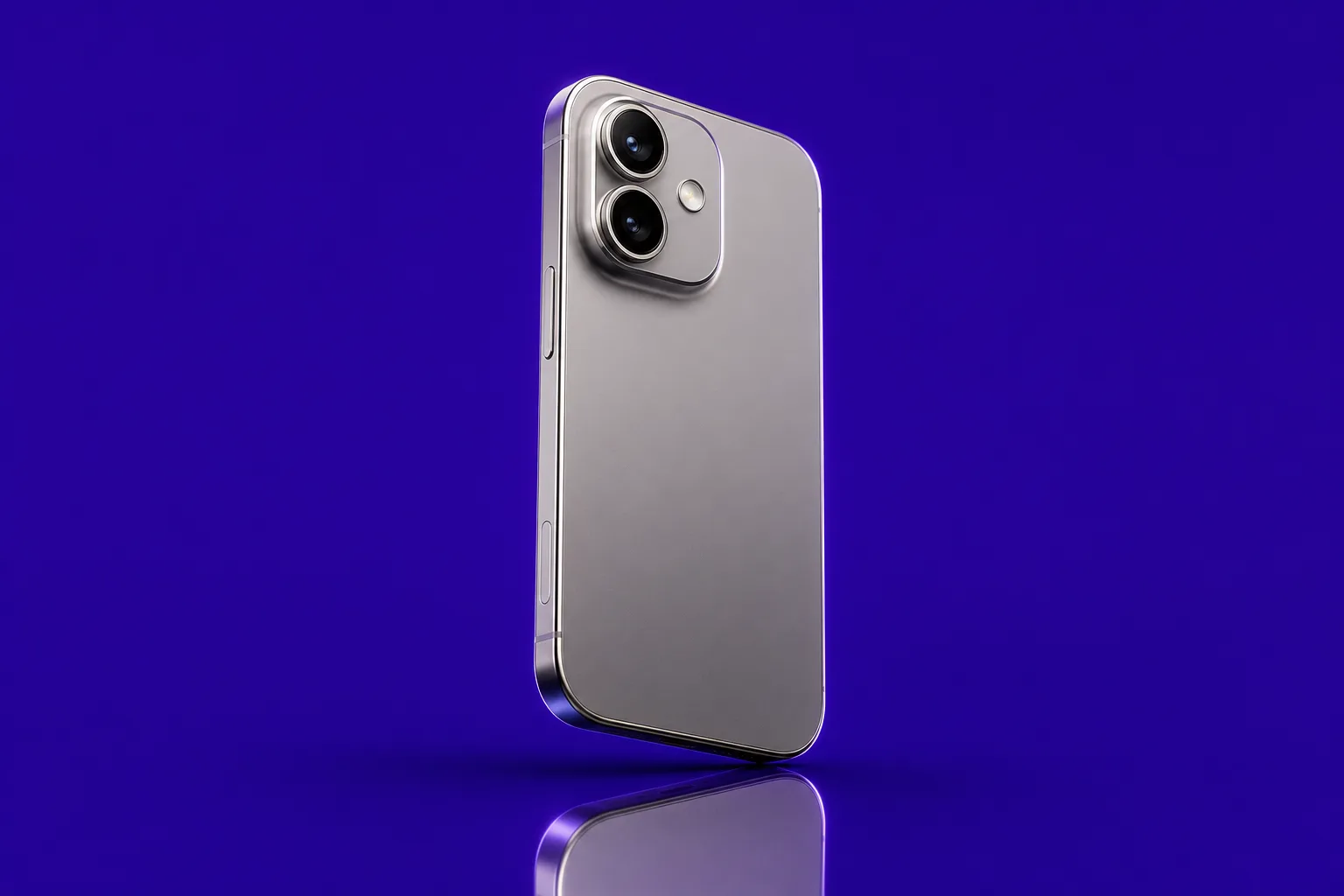
Apple stock rose 1.2% to $319.14 on Thursday, adding $3.80 from the prior close and outperforming major U.S. indexes during a risk-off session. The advance came after investors digested the launch of the new $1,999 iPhone Duo, Apple’s first foldable iPhone, and a $100 price increase across the premium Pro lineup.
The move mattered because it broke a familiar post-launch pattern. Apple shares had slipped 0.28% on the announcement day to $315.34 on elevated volume, but the rebound in the following session suggested the market viewed the new pricing structure as more supportive for revenue and margins than initially feared.
With the Nasdaq Composite down 0.71%, the S&P 500 off 0.61%, and the VIX up 9.23%, Apple’s strength stood out. For investors, the key question is whether the company has opened a durable new high-end iPhone category or simply created short-lived excitement around a still-niche foldable segment.
Key Facts
- Apple shares closed at $319.14 on Thursday, up 1.20%, while the Nasdaq Composite fell 0.71%.
- The new iPhone Duo starts at $1,999 for 256GB, with configurations reaching $3,199 for 2TB.
- Apple raised iPhone 18 Pro and Pro Max prices by $100 to $1,199 and $1,299, respectively.
- Preorders for the iPhone Duo begin on October 16 in more than 70 countries and regions, with availability starting October 23.
- Apple’s market capitalization stood at $4.602 trillion, and the stock traded at 36.28 times trailing earnings.
Apple stock and the iPhone Duo launch
Apple stock reacted positively once investors moved past the headline shock of a foldable iPhone and focused on pricing. The iPhone Duo entered the market below many pre-launch expectations, which had clustered between roughly $2,100 and $2,500. By starting at $1,999, Apple appears to have positioned the device not just as a halo product, but as a potentially reachable upgrade for a portion of its premium customer base.
That distinction matters because Apple is not relying solely on foldable unit volume. The broader significance lies in average selling prices. The Duo creates a new tier above the Pro range, while the $100 increase for iPhone 18 Pro and Pro Max lifts pricing across the most profitable part of the lineup. Together, those moves could support iPhone revenue even if total unit growth remains moderate.
The strategy also affects multiple parts of Apple’s ecosystem. Existing iPhone users weighing an upgrade now face a narrower price gap between the top traditional models and the new foldable form factor. That could encourage trading up, especially if financing or leasing reduces the impact of the near-$2,000 sticker price. Suppliers, wireless carriers, and premium smartphone competitors are also likely to watch early demand signals closely through the holiday quarter.
Apple’s latest product cycle is less about adding a foldable device and more about proving it can raise the ceiling on iPhone pricing without losing customer momentum.
Why the pricing structure matters
The iPhone Duo’s hardware is attracting attention for its 5.4-inch outer display and 7.6-inch unfolded screen, but for markets the bigger story is monetization. iPhone revenue reached $54.25 billion in the June quarter, representing 49.6% of total revenue. A device priced at a 67% premium to the $1,199 iPhone 18 Pro can influence revenue mix even at relatively modest shipment levels.
Apple is also pairing the new lineup with a leasing option that puts the Duo at about $58 per month. That lowers the psychological barrier to adoption and shifts the purchase decision from a one-time capital outlay to a recurring monthly payment. If the program gains traction, it could smooth upgrade cycles, keep users inside Apple’s ecosystem longer, and expand the refurbished device channel.
Implications for Investors
For shareholders, the near-term bull case rests on revenue mix and pricing power. Apple has already delivered strong recent performance, with the stock up 39.43% over 12 months and nearly 21% year to date. If the new lineup lifts blended iPhone selling prices and the leasing model improves upgrade conversion, the December quarter could become the main proof point for earnings momentum.
The risk is valuation. At 36.28 times trailing earnings, Apple trades above its recent historical average while facing macro pressure from higher Treasury yields, elevated energy prices, and ongoing component cost inflation. Foldables remain a small portion of the global smartphone market, and if the Duo fails to expand beyond a niche audience, the market may refocus on whether Services growth and margin trends are strong enough to justify the premium multiple.
Investors should also watch execution metrics beyond headline sales. Early preorder demand on October 16, commentary around the October 23 launch, gross margin trends, and any signs of supply constraints will all matter. Elevated trading volume above the three-month average in consecutive sessions suggests institutional repositioning is already underway, making the next earnings update especially important for confirming whether enthusiasm around the new cycle is fundamental or tactical.
Apple has opened a new chapter in its iPhone strategy by combining a foldable launch with broader premium price increases. The next phase for the stock will depend less on launch-day excitement and more on whether those pricing decisions translate into stronger holiday-quarter revenue and defensible margins.