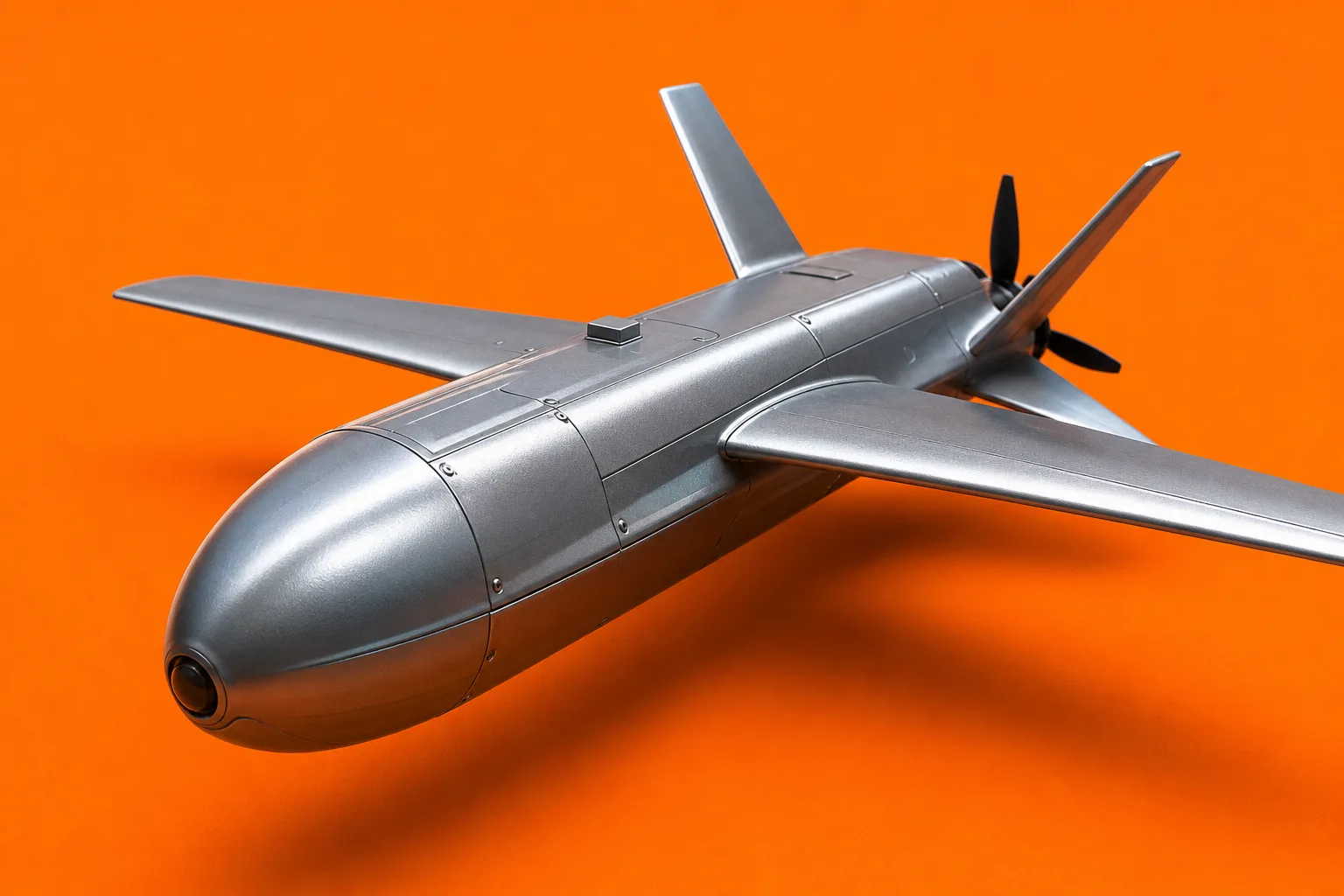
Asymmetric warfare boom is moving from battlefield lesson to investment theme as low-cost drones force a rethink of how militaries buy, deploy and defend critical assets. The central shift is economic: inexpensive one-way attack systems can threaten communications, radar and command nodes that cost millions or more to build and protect.
Recent conflicts have underscored a hard reality for defense planners. Small unmanned aircraft systems, or sUAS, are no longer niche tools; they are becoming standard equipment for strike, surveillance and attrition missions, often creating a favorable cost exchange for the side launching them.
That dynamic is now feeding a broader procurement reset. Analysts expect the U.S. and allied nations to accelerate orders for low-cost drones, interceptors, counter-UAS tools and the software needed to turn large drone fleets into usable battlefield intelligence.
Key Facts
- Global military expenditure is running at roughly $3 trillion annually, creating a large addressable market for new drone and counter-drone systems.
- Ten countries account for 72% of global military spending, but cheaper drone technology is lowering barriers to access for smaller powers.
- One emerging launch concept cited in the market can deploy up to 100 attack drones from a single containerized system.
- Analysts highlighted nine public and nineteen private companies as notable participants in the expanding U.S. drone ecosystem.
- Congressional support for drones and counter-drone programs has been reflected in the FY27 National Defense Authorization Act and related appropriations discussions.
Asymmetric Warfare Boom
The investment case begins with a simple military problem: expensive air-defense systems are often being used to stop far cheaper threats. In conflicts involving Iranian-style drones and in the war in Ukraine, low-cost unmanned aircraft have proven capable of disrupting and destroying high-value targets while imposing outsized defensive costs on their opponents. That imbalance matters because procurement strategy ultimately follows operational lessons.
For years, many defense budgets favored exquisite platforms with long development cycles, high unit costs and specialized supply chains. The latest drone campaigns suggest future force design will need more layers: affordable attack drones, mobile counter-UAS systems, rapid production capacity and more resilient domestic component sourcing. The result is not the end of traditional defense programs, but a redistribution of spending toward cheaper, attritable systems that can be bought in volume.
The companies positioned to benefit span hardware, autonomy software, sensors and manufacturing infrastructure. Public names highlighted by analysts include AeroVironment, Ondas, Red Cat, Redwire and Teledyne FLIR. Private firms drawing attention include Anduril, Skydio, Shield AI, Quantum Systems, Performance Drone Works, DZYNE, Firestorm Labs and Neros. For investors, the important point is that the opportunity is broader than airframes alone. Payloads, communications links, navigation, battlefield analytics and interception systems all sit within the same emerging spending wave.
Cheap drones are turning military economics upside down, pushing defense buyers toward scale, speed and software-driven autonomy.
The next phase: autonomy, swarming and supply chains
The first phase of the market is centered on volume production of lower-cost UAS, domestic supply-chain buildout and faster contracting. Militaries still need to solve practical issues such as component sourcing, training pipelines, organizational ownership and how to integrate drones into existing force structures. Those nuts-and-bolts decisions can shape which contractors win sustained budget share.
The second phase is likely to be more software-intensive. Analysts expect greater emphasis on autonomous operations, swarming, mothership-style deployment concepts and tighter integration with command-and-control networks. Platforms that can process large sensor feeds and convert them into actionable intelligence may capture a growing share of value as drone fleets scale. That suggests future winners may be those that combine airframes with software, data fusion and mission-system integration rather than relying on hardware margins alone.
Implications for Investors
For investors, the asymmetric warfare boom creates opportunity across several layers of the defense technology stack. Drone manufacturers may benefit first from urgent procurement, replenishment orders and pilot programs. Counter-drone providers could also see strong demand as governments try to close air-defense gaps around bases, logistics hubs, data centers and critical infrastructure. Sensor and thermal imaging suppliers, electronic warfare firms and AI-driven command software vendors may gain from follow-on spending as procurement matures.
Risk remains significant. Defense budgets are large, but contracting can be uneven, political and slow to convert from demonstration programs into scaled production. Valuations in high-profile defense tech names may also move ahead of near-term revenue. Investors should watch for concrete milestones such as FY27 authorization language, appropriations outcomes, multi-year awards, production-rate increases and evidence that systems are moving from battlefield experimentation into standard programs of record.
Another key watch-point is the cost-exchange equation. The strongest commercial positions may emerge in companies that help customers defend cheaply as well as attack cheaply. Systems that can neutralize small drones without firing high-cost missiles could attract sustained demand, especially if drone swarms become more common. In that sense, the market may reward balanced exposure to offensive UAS, counter-UAS, autonomy software and enabling components rather than a single-theme bet.
The broader message is that drones are becoming a structural defense priority, not a temporary battlefield novelty. If procurement cycles accelerate through 2027 and into the rest of the decade, investors should expect continued competition for budget share among drone makers, counter-drone suppliers and software firms building the operating system for autonomous warfare.