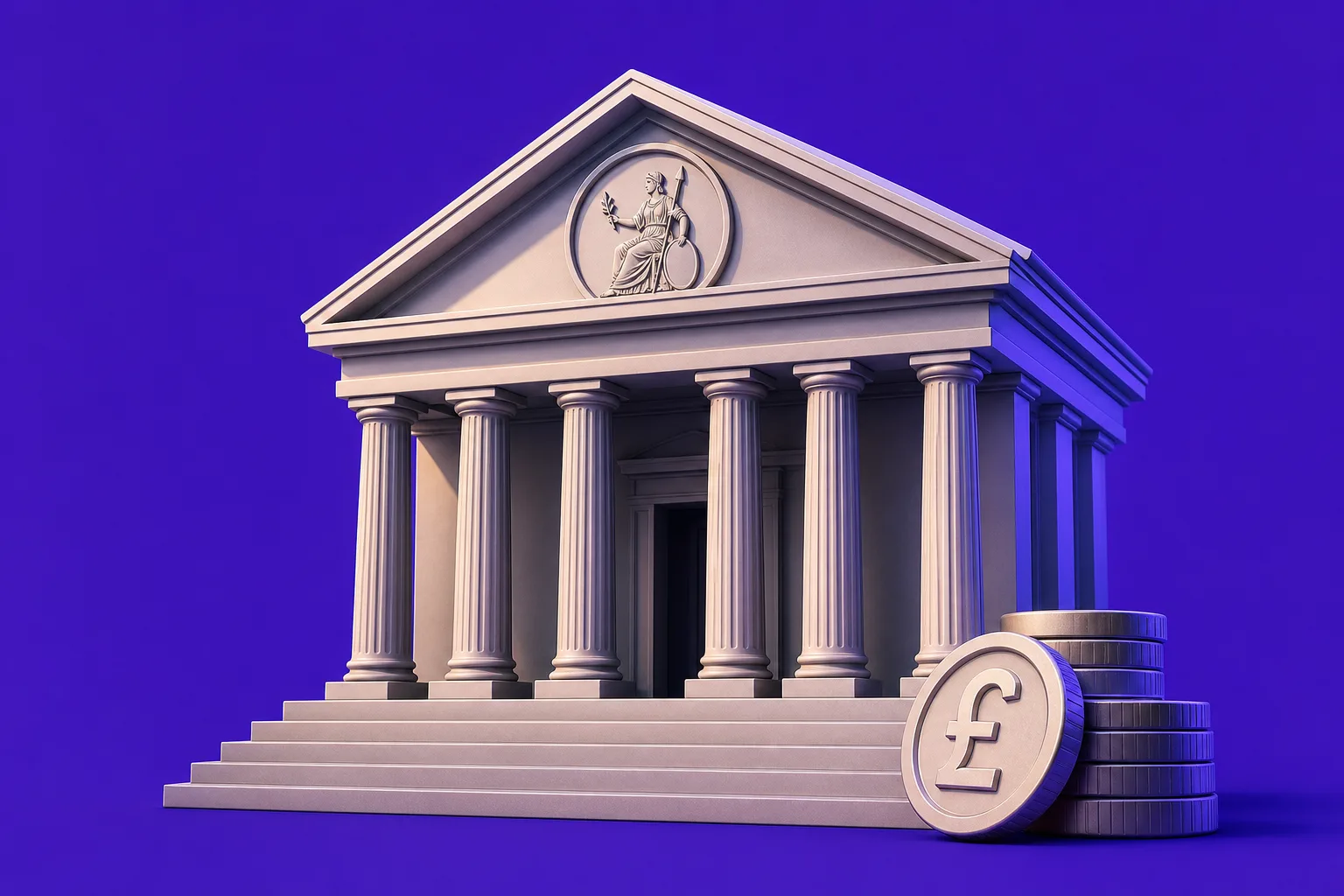
The Bank of England banknotes review has become a political flashpoint after disclosures showed more than £85,000 was spent on research linked to the next redesign of UK currency. The spending covered focus groups and public consultation work as the central bank weighed whether future notes should move away from portraits of famous Britons.
The current polymer series features Winston Churchill on the £5 note, Jane Austen on the £10, J.M.W. Turner on the £20 and Alan Turing on the £50. Under the redesign process, those reverse-side themes are expected to be replaced, while King Charles remains on the front of the notes.
The issue matters beyond design. Banknotes are a national symbol, but they are also a security product. The central bank argues the new series is primarily about counterfeit resilience, even as the consultation process has opened a broader debate about identity, heritage and what modern UK currency should represent.
Key Facts
- The Bank of England spent more than £85,000 on research and consultation tied to the next banknote series.
- A Savanta focus-group study delivered in October 2025 cost £49,000 and involved 119 participants.
- A further £22,500 was spent on public consultation work about possible nature-themed replacements.
- The current reverse designs include Churchill on £5, Austen on £10, Turner on £20 and Turing on £50.
- Governor Andrew Bailey is due to select the final animal-themed designs by the end of 2026.
Bank of England Banknotes Review
The debate centers on how the Bank of England should use the redesign cycle for the next generation of notes. Internal research described historical figures as potentially contentious for some participants, while a wider consultation reportedly drew 44,000 responses in which nature emerged as the preferred theme. That combination has pushed the process toward wildlife imagery rather than another roster of notable Britons.
Officials have pointed to technical needs as the core reason for a fresh series. Chief cashier Victoria Cleland said the key driver for introducing a new banknote series is always to increase counterfeit resilience, adding that the redesign also creates an opportunity to celebrate different aspects of the UK. In practical terms, that means incorporating new security features while selecting artwork that can support authentication and public recognition.
For households and businesses, the immediate impact is symbolic rather than financial. A redesign does not alter legal tender status overnight, monetary policy or inflation expectations. Still, it can shape public confidence in institutions and feed into wider debates about national identity. That is why a process that might otherwise have been a routine design exercise has attracted scrutiny from politicians, historians and market observers.
“The key driver for introducing a new banknote series is always to increase counterfeit resilience, but it also provides an opportunity to celebrate different aspects of the UK.”
Why the Redesign Has Drawn Attention
Central banks routinely refresh currency to stay ahead of counterfeit threats, especially as printing and imaging technologies improve. Polymer notes already offer stronger durability and security than older paper notes, but redesign cycles remain standard practice. New visual elements, upgraded transparent windows, complex patterns and machine-readable features can all improve note security over time.
What makes this case different is the intersection of security with cultural selection. The shortlist of possible themes reportedly includes species such as the European hedgehog, red fox, Atlantic puffin, barn owl, common frog and bottlenose dolphin. Moving from historical figures to wildlife may broaden public appeal for some audiences, but it also raises questions about whether the bank is depoliticizing design or simply replacing one cultural choice with another.
Implications for Investors
For investors, the redesign has limited direct earnings or valuation consequences, but it is still worth monitoring for what it says about institutional priorities. The Bank of England remains focused on credibility, operational resilience and public trust. Any redesign that improves anti-counterfeit protection supports the integrity of cash circulation, even in an economy where digital payments account for an increasing share of transactions.
The story also offers a reminder that reputational issues can spill into market narratives. In the UK, central bank independence is a cornerstone of financial stability. When symbolic decisions become politically charged, investors may look more closely at how clearly the institution communicates its operational rationale. In this case, the emphasis on security features will matter more to markets than the eventual choice between Churchill and a puffin, but communication missteps can still affect sentiment.
There is also a longer-term policy angle. Cash usage has declined over the past decade, yet banknotes remain critical for resilience, inclusion and contingency planning during payment outages or cyber disruptions. Investment in updated note security is therefore part of the broader infrastructure of the financial system. The debate over imagery may dominate headlines, but the more durable investor takeaway is the continuing need for trusted physical currency alongside digital payment rails.
Attention will now turn to the final design decision expected by the end of 2026. Investors should watch whether the Bank of England keeps the conversation anchored in security and operational effectiveness as it unveils the next banknote series.