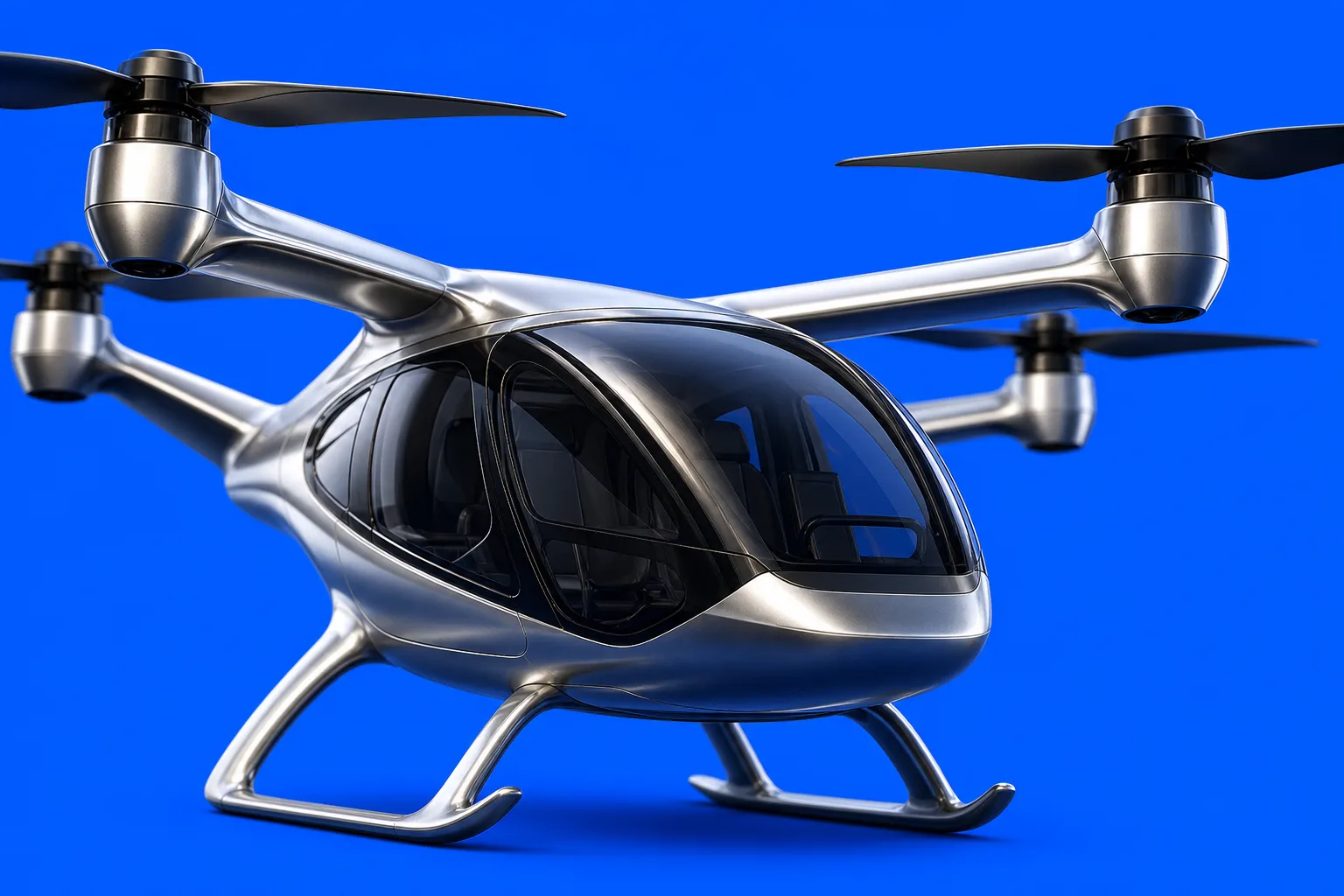
Boeing is handing control of its flying-taxi venture Wisk Aero to Archer Aviation in a deal that also gives the aerospace giant a stake of nearly 20% in Archer. The transaction expands Archer’s reach beyond electric vertical takeoff and landing aircraft, while allowing Boeing to stay exposed to autonomous flight technology without directly carrying the business.
The market reaction was immediate. Archer shares jumped 20% in premarket trading after the terms emerged, even though the stock had been down 25% for 2026 through the prior Friday close. The sharp move underlined how significant investors see the asset transfer for Archer’s growth strategy.
The agreement includes more than Wisk alone. Archer is also set to acquire air-traffic software company SkyGrid and drone manufacturer Insitu, broadening its technology stack and giving it a stronger foothold in both commercial and military aviation markets.
Key Facts
- Boeing will take a nearly 20% stake in Archer Aviation as part of the transaction.
- Archer is set to acquire Wisk Aero, SkyGrid, and Insitu under the agreement.
- Boeing previously invested $450 million in Wisk and spent more than a decade developing autonomous electric-flight technology.
- Archer shares rose 20% in premarket trading, while the stock had been down 25% year to date through the previous Friday close.
- Short interest in Archer stood at 15% of float, or roughly 95 million shares.
Boeing Archer deal
The Boeing Archer deal marks a notable shift in how large aerospace incumbents are approaching next-generation aviation. Rather than keeping Wisk and its related businesses in-house, Boeing is effectively moving these assets into Archer, a publicly traded eVTOL developer that has been building its own air-taxi platform and commercialization strategy. In return, Boeing receives warrants, board influence through the right to nominate a director, and continued access to Wisk’s autonomous-flight technology.
For Archer, the deal is strategically larger than a simple acquisition. Wisk brings years of development work in autonomous aviation, SkyGrid adds airspace and traffic-management software, and Insitu provides exposure to uncrewed aircraft systems with defense applications. That combination could help Archer evolve from a single-product eVTOL company into a broader aviation technology platform with multiple revenue paths.
For Boeing, the move fits a wider effort under CEO Kelly Ortberg to focus capital and management attention on core commercial aircraft and defense operations. Divesting non-core or longer-dated ventures can support a turnaround by simplifying the portfolio, reducing execution complexity, and preserving strategic upside through minority ownership rather than full operational control.
The transaction gives Archer greater scale in advanced aviation while allowing Boeing to stay invested in autonomous flight without directly running the business.
Why Wisk, SkyGrid and Insitu matter
Wisk is one of the better-known names in autonomous eVTOL development, and Boeing had backed it heavily over the years. Its technology is especially relevant because the long-term economics of urban air mobility may depend not just on electrification, but on automation that could lower operating costs and expand network efficiency over time.
SkyGrid adds another layer that investors often overlook: software infrastructure. If electric air taxis are to operate at scale, companies will need systems for routing, coordination, and compliance in increasingly complex low-altitude airspace. Insitu, meanwhile, gives Archer a more immediate adjacency in defense and drone operations, potentially reducing reliance on the still-emerging commercial air-taxi market.
Implications for Investors
For Archer investors, the transaction has both upside and execution risk. On the positive side, Archer is gaining a wider portfolio of aviation technologies that could improve its competitive position in eVTOL, autonomy, software, and defense. That diversification may strengthen the long-term growth story and create more ways to monetize research and manufacturing capabilities.
Still, integration will matter. Combining Wisk, SkyGrid, and Insitu into Archer’s existing business will require capital, management focus, and clear prioritization. Investors should watch whether the enlarged company can maintain progress toward certification, manufacturing scale, and commercial deployment without diluting its near-term operational goals.
For Boeing shareholders, the deal may be seen as another signal that management is willing to prune assets outside the core franchise. Boeing retains strategic exposure through its near-20% stake and access to Wisk technology, but no longer bears the same direct burden of development. If the company continues along this path, investors may start to anticipate additional divestitures or restructurings aimed at improving profitability and balance-sheet discipline.
One more factor is market positioning in Archer stock itself. With short interest equal to 15% of float, or about 95 million shares, positive corporate developments can amplify price swings. That creates opportunity for momentum investors, but also raises the risk of volatility if milestones slip or closing conditions take longer than expected.
The transaction is expected to close later in 2026, making regulatory approvals, integration planning, and product roadmap updates the next major milestones to track. For both companies, the deal is less an endpoint than a repositioning move in the race to define the future of advanced air mobility.