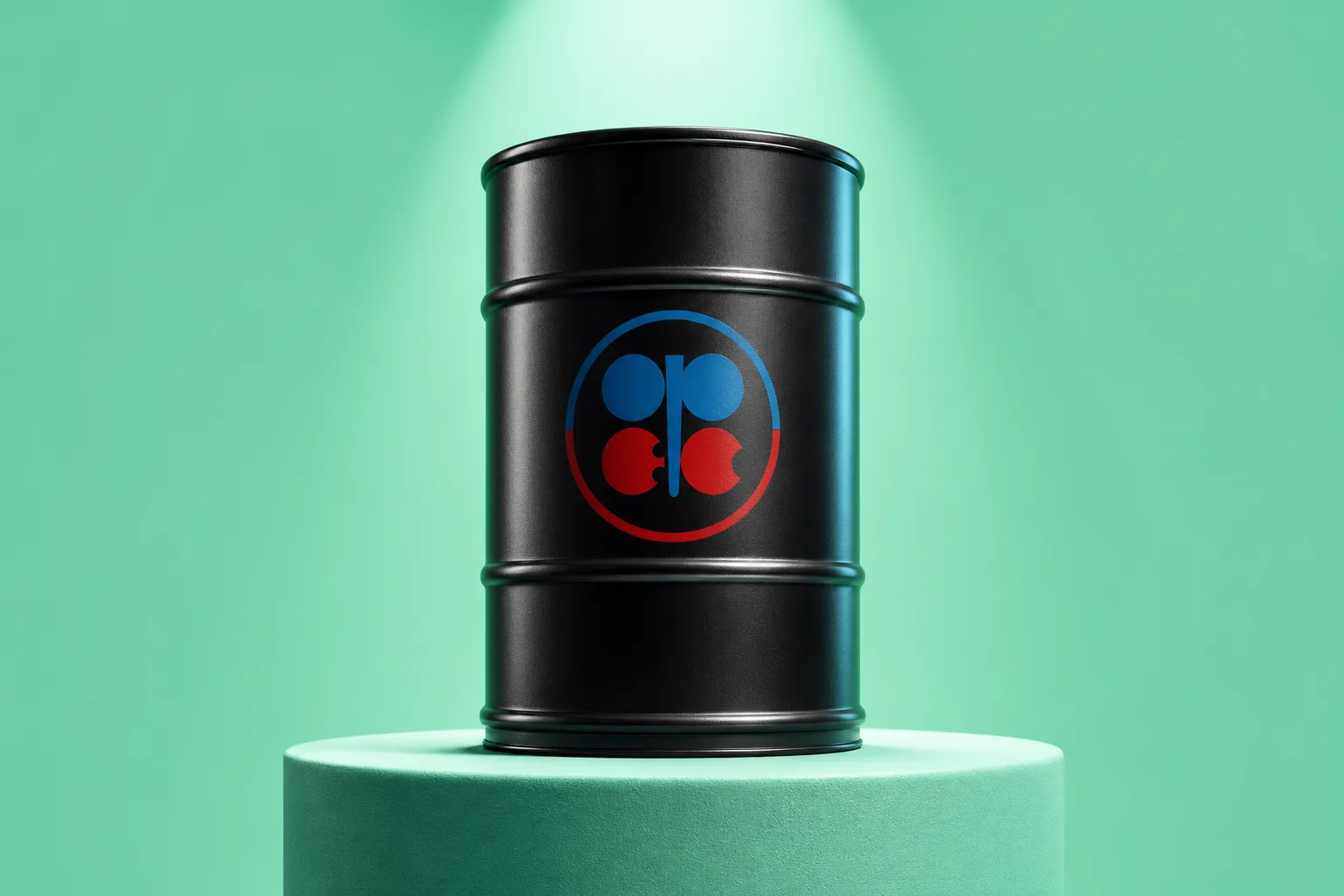
Brent crude is closing in on the $100-a-barrel mark after a sharp escalation in Middle East shipping risks pushed tanker traffic through the Strait of Hormuz to its lowest level since May. On September 7, 2026, Brent traded around $97.50, while West Texas Intermediate held above $92, extending one of the strongest weekly advances since July.
The latest move reflects more than a temporary geopolitical premium. With commercial crude inventories in the United States running below the five-year low, diesel prices hitting a record $5.85 a gallon, and OPEC+ declining to raise October output, the market is increasingly treating the disruption as a supply problem rather than a headline-driven shock.
That distinction matters for investors. A speculative spike can unwind quickly, but a market facing delayed cargoes, tight inventories and restricted spare capacity tends to stay elevated until additional barrels physically reach consumers.
Key Facts
- Brent crude traded near $97.50 on September 7, 2026, after touching an intraday high of about $97.93, while WTI stood above $92.
- Brent gained 7.6% last week and WTI nearly 10%, marking the strongest weekly performance for both benchmarks since July.
- Tanker traffic through the Strait of Hormuz, which normally handles around 20% of global oil flows, fell to its lowest level since May.
- U.S. diesel prices reached a record $5.85 per gallon, adding to concerns about inflation and refinery tightness.
- OPEC+ kept October output policy unchanged, removing a potential source of near-term supply relief as prices surge.
Brent crude near $100
The immediate catalyst came over the September 5-6 weekend, when the United States targeted three Iranian oil tankers in retaliation for ballistic missile attacks on U.S. Navy warships. Tehran then struck tankers and other vessels linked to the United States and signaled plans to establish a restricted maritime zone beyond the Strait of Hormuz. U.S. officials indicated naval operations in the region would continue, combining pressure on Iranian exports with escort efforts aimed at preserving commercial passage.
For the oil market, the most important effect is on shipping flows. The Strait of Hormuz remains the single most critical chokepoint in global energy trade, and lower transit volumes immediately raise the risk of delayed deliveries, higher insurance costs and reduced export reliability from the Gulf. Even without a full closure, a restricted maritime zone can tighten supply if shipowners, insurers and charterers judge the route too risky.
Prices are also being pushed higher by fundamentals outside the conflict zone. U.S. commercial crude inventories are expected to remain below the five-year 2021-2025 low through the end of 2026, reflecting strong exports, reduced imports and high refinery runs. The domestic buffer that might normally soften a disruption is already thin. That helps explain why Brent is now up 10.63% over four weeks and nearly 47% over 12 months, while WTI has advanced 17.75% in a month and 47.86% year over year.
This oil rally is no longer just a fear trade; it is being driven by fewer available barrels, tighter shipping and a market with very little spare cushion.
Why OPEC+ matters this time
OPEC+ met over the weekend and left October output unchanged. In another market environment, that decision might have been absorbed easily. At current price levels, however, it removes what many traders had seen as the most obvious release valve. If the producer group had signaled even a modest output increase, it could have tempered expectations for a march toward $100 Brent.
The market instead interpreted the decision as evidence that additional supply may not be readily deployable, particularly when so much Gulf production depends on the same shipping corridor now under pressure. Whether the group is strategically patient or operationally constrained, the result is the same in the near term: less confidence that fresh barrels will arrive quickly enough to cool the rally.
Implications for Investors
For investors, the first implication is inflation risk. Diesel at $5.85 per gallon is especially significant because diesel feeds through freight, agriculture, construction and industrial supply chains faster than many other fuel costs. August eurozone energy inflation was already running at 14.3%, and U.S. headline CPI is forecast at 0.4% month over month for the next release. If crude and refined products stay elevated into late September and October, the inflation impulse could broaden even if core measures remain relatively contained.
The second implication is sector dispersion across equity and fixed-income markets. Energy producers, oilfield service firms and some midstream operators may benefit from stronger pricing and improved cash flow expectations if Brent breaks and holds above $100. At the same time, transport companies, airlines, chemicals producers and fuel-intensive industrials could face margin pressure. Higher fuel costs also complicate the outlook for central banks, particularly if policymakers must weigh slowing growth against a renewed energy-driven inflation shock.
Third, volatility itself is now an asset-class consideration. Brent fell as low as $69 on July 2 and later reached $105 on July 23, a swing of $36 in three weeks. That range shows how quickly sentiment can reverse if shipping conditions improve, military tensions ease or inventories surprise to the upside. Investors should watch weekly U.S. petroleum data, vessel transit counts through Hormuz, and upcoming monthly oil market reports for confirmation of whether the supply squeeze is intensifying or beginning to ease.
There are still bearish counterweights. Iraqi exports averaged 2.35 million barrels per day in August and may increase further in September, indicating that not all Gulf supply is being blocked. Official forecasts also still assume most regional production returns close to pre-conflict levels in early 2027, with roughly 0.6 million barrels per day of disruption persisting through the end of next year. But those assumptions depend heavily on transit conditions improving rather than deteriorating.
The next key test is straightforward: whether Brent can sustain a move above $100 and whether WTI approaches $95 without a meaningful recovery in Hormuz traffic. If shipping remains constrained and inventories keep drawing, oil may stay elevated well into the fourth quarter. If transit flows stabilize, part of the risk premium could unwind quickly, making this one of the most data-sensitive energy markets of 2026.