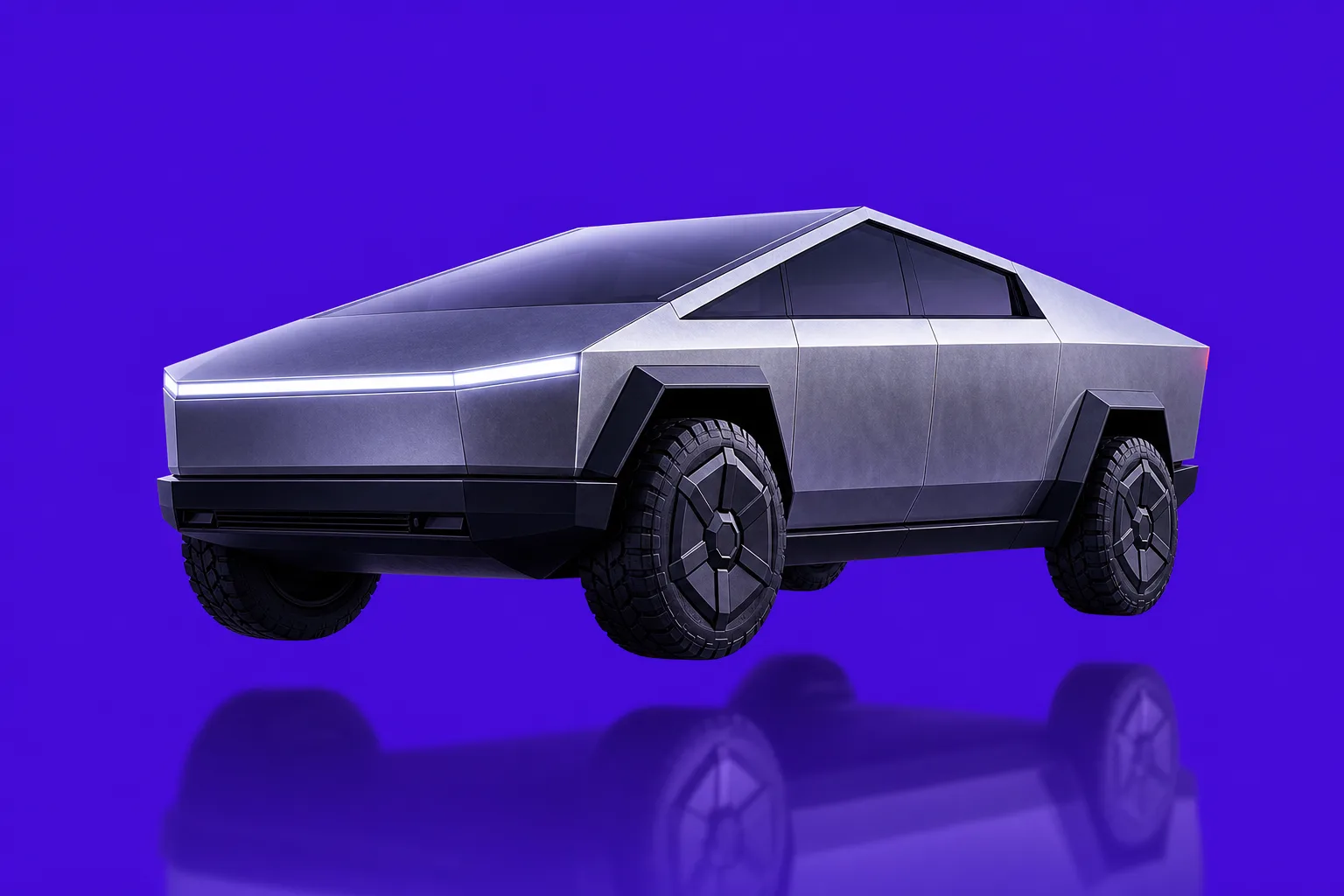
Cybertruck production could take an unexpected detour after Unplugged Performance outlined a nine-figure financing proposal designed to keep the vehicle’s manufacturing line alive beyond Tesla’s planned wind-down in mid-2027. The aftermarket specialist says the offer would relocate the line, preserve output, and introduce a three-row variant branded as a CyberSUV.
The pitch comes after Elon Musk stated on November 6, 2026, that Cybertruck production at Gigafactory Texas would be wound down around the middle of next year to make room for higher Cybercab production. That decision sharpened investor focus on how Tesla intends to allocate factory space, battery cells, and engineering resources across its next growth platforms.
At the center of the proposal is a structure in which Tesla would keep its intellectual property, collect licensing and component revenue, and receive an equity stake in a newly formed company without adding fresh capital. For investors, the question is whether Cybertruck can become an asset-light licensing opportunity rather than a direct manufacturing priority.
Key Facts
- Elon Musk said on November 6, 2026, that Cybertruck production at Gigafactory Texas would be wound down around mid-2027 to make room for Cybercab output.
- Unplugged Performance said it has investor relationships capable of funding the plan at a nine-figure scale.
- A survey cited by the company found that 82% of 892 respondents expressed interest in a three-row CyberSUV.
- The proposal calls for Tesla to retain IP, approve vehicle specifications and leadership, and preserve an option to reclaim the production line.
- Unplugged also said 78% of 310 steering-format selections favored left-hand drive, 16.5% right-hand drive, and 5.5% no wheel or pedals.
Cybertruck Production Plan
The proposal attempts to solve a strategic bottleneck for Tesla: factory capacity. If Cybertruck production is phased out in Texas to prioritize Cybercab, the company would effectively be choosing autonomous fleet scale over a niche consumer pickup. Unplugged’s idea is to separate those priorities by moving the Cybertruck line elsewhere, absorbing the funding burden externally, and creating a new vehicle derivative that could target families, utility buyers, and future robotaxi-adjacent use cases.
Under the plan, Tesla would not surrender core control. The automaker would keep ownership of the platform’s intellectual property, maintain a say over branding and specifications, and potentially license Full Self-Driving software to the new venture. That matters because Tesla has long discussed software and platform monetization beyond direct vehicle sales. A production transfer coupled with software, parts, and licensing fees would test whether a lower-capital expansion model can generate returns from a product Tesla no longer wants to prioritize on its own balance sheet.
The proposal also reflects a market reality around the Cybertruck brand. Demand for a more practical derivative may be broader than demand for the original pickup configuration alone. Unplugged argues that a three-row CyberSUV could better fit mainstream private-buyer preferences while preserving all-terrain capability. If that thesis is correct, the line’s value may lie less in continuing the exact Cybertruck mix and more in adapting the platform into a format with wider appeal and steadier utilization.
“Tesla could turn a planned Cybertruck shutdown into a licensing, parts, and software revenue stream while keeping factory space free for Cybercab.”
Why the CyberSUV angle matters
The three-row CyberSUV concept is more than a styling exercise. It is a proposed way to reposition an unconventional vehicle architecture toward a larger addressable market. Families, outdoor users, and fleet operators tend to value seating flexibility and cargo practicality, which may expand the platform’s commercial relevance compared with a pure pickup-only strategy.
There is also an autonomy angle. Unplugged suggested two possible versions of the SUV platform: one that remains driver-operable and one configured for fully autonomous use without controls. That distinction could matter for regulatory treatment, product segmentation, and eventual robotaxi network deployment. Even if a no-controls vehicle remains a longer-term concept, the suggestion shows how Tesla’s vehicle platform could be monetized across consumer and fleet categories without tying all production to one factory.
Implications for Investors
For Tesla investors, the proposal highlights the company’s broader transition from a conventional EV manufacturer toward a platform model built around autonomy, software, and capital efficiency. If Tesla can earn fees from IP, parts, and potentially FSD licensing while reducing direct exposure to low-priority vehicle manufacturing, that would support a higher-margin narrative. It would also offer an early real-world example of Tesla monetizing its technology stack outside a wholly owned production framework.
Still, execution risk is significant. The plan depends on Tesla’s approval, outside financing that remains contingent rather than committed, and resolution of critical issues including supplier transfers, manufacturer-of-record liability, certifications, recalls, and battery cell allocation. Cybercab appears to be first in line for strategic resources, particularly 4680 cell capacity. If supply remains constrained, any transferred Cybertruck or CyberSUV production could face bottlenecks that limit scale and profitability.
Investors should also watch whether this proposal gains traction as a signal for Tesla’s future licensing ambitions. A first FSD-related licensing arrangement, even in a tightly controlled structure, would be symbolically important. It could suggest that Tesla is becoming more willing to commercialize software and vehicle platforms through partners, not just through direct internal production. That would broaden the set of valuation drivers beyond unit deliveries alone.
The next key variable is Tesla’s response. If management engages, the market may start assigning value to dormant assets and nontraditional revenue streams linked to the Cybertruck platform. If the company declines, the message would be equally important: Tesla may prefer a sharper strategic break in favor of Cybercab and core autonomy scaling. Either way, the Cybertruck production decision now carries implications that extend well beyond one vehicle line.