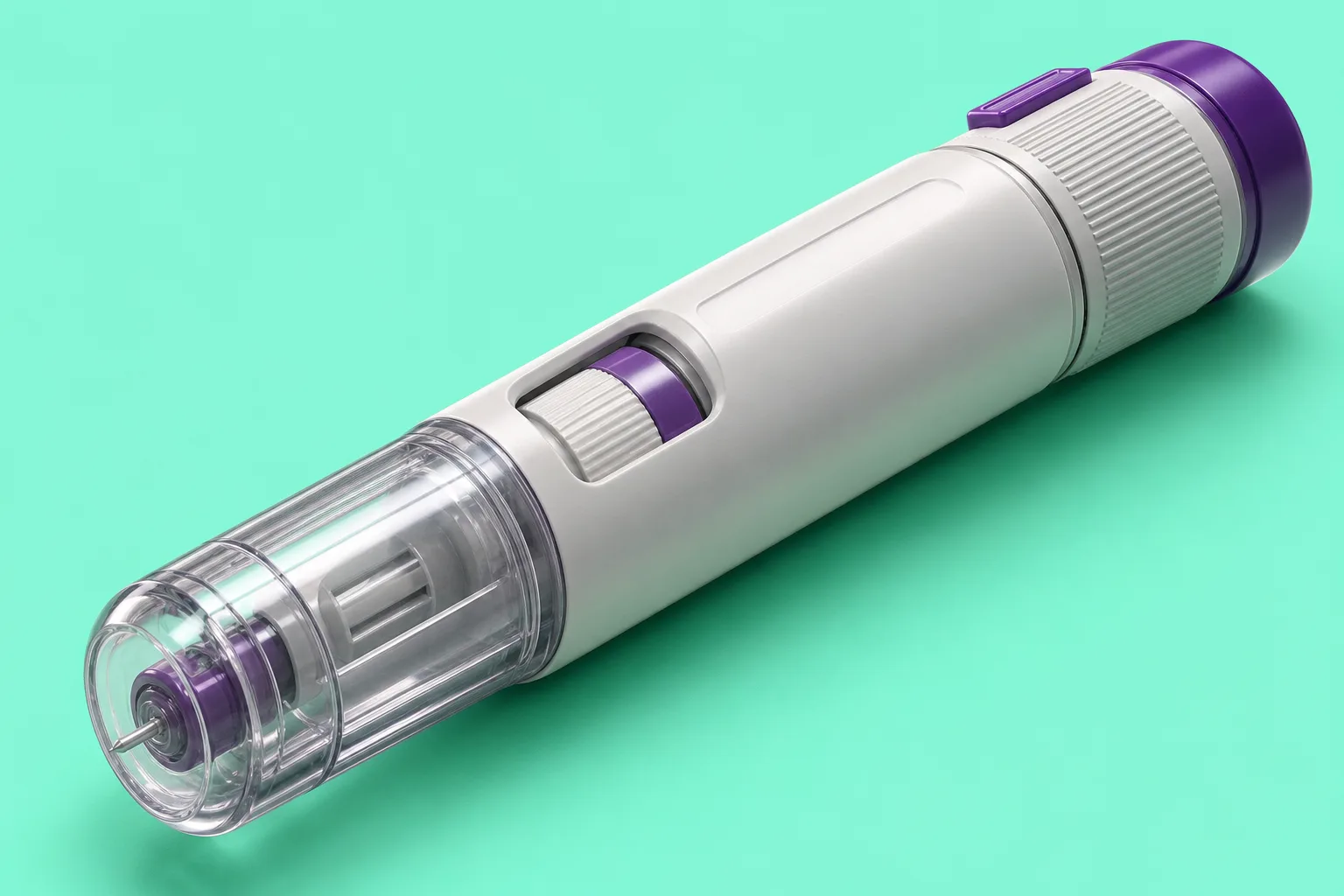
Eli Lilly stock moved back above $1,200 on October 7, a notable breakout for a company already valued at roughly $1.07 trillion. The gain came as investors focused on one central figure: $14.9 billion in quarterly sales from Mounjaro and Zepbound, the two tirzepatide-based medicines driving the group’s growth.
Shares rose 4.10% to $1,205.00 by midday, sharply outperforming a weaker broader market as the 10-year Treasury yield climbed to 5.345%. In a session defined by pressure on risk assets, Lilly stood out as a defensive growth story with revenue momentum that remains unusually strong for a company of its size.
The rebound above the round-number $1,200 level also matters heading into third-quarter results due October 29. Investors are now weighing whether the company’s existing guidance still looks conservative given its first-half run rate, expanding manufacturing footprint, and continued global demand for diabetes and obesity treatments.
Key Facts
- Eli Lilly shares traded at $1,205.00 on October 7, up 4.10%, with market capitalization at about $1.07 trillion.
- Second-quarter revenue reached $22.97 billion, up 48% year over year and $2.24 billion above consensus expectations.
- Mounjaro generated $9.943 billion and Zepbound $4.928 billion in the quarter, for a combined $14.9 billion.
- Full-year revenue guidance stands at $85.0 billion to $87.0 billion, after being raised twice in 2026.
- The company announced a strategic collaboration with InnoCare Pharma worth up to $3.35 billion to broaden its pipeline.
Eli Lilly stock
The latest move in Eli Lilly stock reflects more than momentum trading. It is tied to an operating profile that remains rare in large-cap healthcare: revenue growth of 48%, earnings leverage, and global expansion in a therapeutic area where demand still appears greater than supply. Even after a substantial rerating over the past year, the stock remains tied closely to fundamental growth rather than multiple expansion alone.
The company’s core growth engine is tirzepatide, marketed as Mounjaro for diabetes and Zepbound for obesity. Together, those two brands accounted for about 65% of second-quarter revenue. That concentration is both a strength and a risk. It shows how dominant Lilly has become in metabolic disease, but it also means investors are highly sensitive to prescription trends, pricing pressure, reimbursement decisions, and competitive developments.
What makes the current setup especially important is the gap between reported performance and formal guidance. First-half revenue totaled $42.8 billion, while the full-year forecast implies a second half that is roughly flat to modestly below the second quarter’s pace. If demand, supply capacity, and international uptake continue at recent levels, the market may start pricing in another guidance increase when earnings are released on October 29.
Reclaiming $1,200 matters because it signals the market is once again rewarding Lilly for execution, not just for its obesity narrative.
Tirzepatide growth and pricing dynamics
The most important detail in Lilly’s quarter was not only sales growth, but how that growth was achieved. Company-wide volume increased 60% while realized prices fell 13%. That indicates Lilly is expanding access through lower pricing, formulary deals, and broader reimbursement, especially outside the United States, rather than relying on aggressive price increases.
International expansion is becoming a larger part of the story. Mounjaro generated $5.2 billion outside the United States, up 172% from a year earlier and, for the first time, ahead of domestic sales. China’s reimbursement decision for type 2 diabetes has reduced unit pricing but opened access to a much larger patient base, reinforcing the idea that lower prices can still produce higher total revenue when volumes scale quickly.
Implications for Investors
For investors, the immediate question is whether Lilly can keep converting extraordinary product demand into sustained earnings growth without losing pricing power too quickly. The company’s gross margin profile remains strong, and new manufacturing capacity should help relieve one of the main constraints that had limited sales over the last several years. If that capacity ramps smoothly, revenue upside becomes easier to defend.
Valuation remains the main debate. Lilly traded at about 27.77 times forward earnings, a premium by traditional pharmaceutical standards but less extreme when measured against near-50% quarterly revenue growth and a product portfolio still in expansion mode. Bulls see room for the shares to retest the $1,292.65 high and potentially move toward the broader analyst consensus near $1,329.21. More aggressive targets around $1,430 assume continued estimate revisions and another earnings beat.
The risks are equally clear. Two products dominate results, so any change in reimbursement, safety perception, supply execution, or competitive intensity could have an outsized effect on the stock. Policy remains a watch point as well. Drug-pricing negotiations, obesity coverage decisions, and international formulary terms could all influence realized prices, even if unit volumes remain robust. Investors should also monitor whether pipeline diversification efforts, including the InnoCare agreement and newer products such as the oral obesity pill orforglipron, can reduce dependence on tirzepatide over time.
Looking ahead to October 29, Lilly enters earnings season with expectations rising again. If the company delivers another large revenue beat or lifts guidance for a third time, the latest breakout above $1,200 could prove to be a staging point rather than the end of the move.