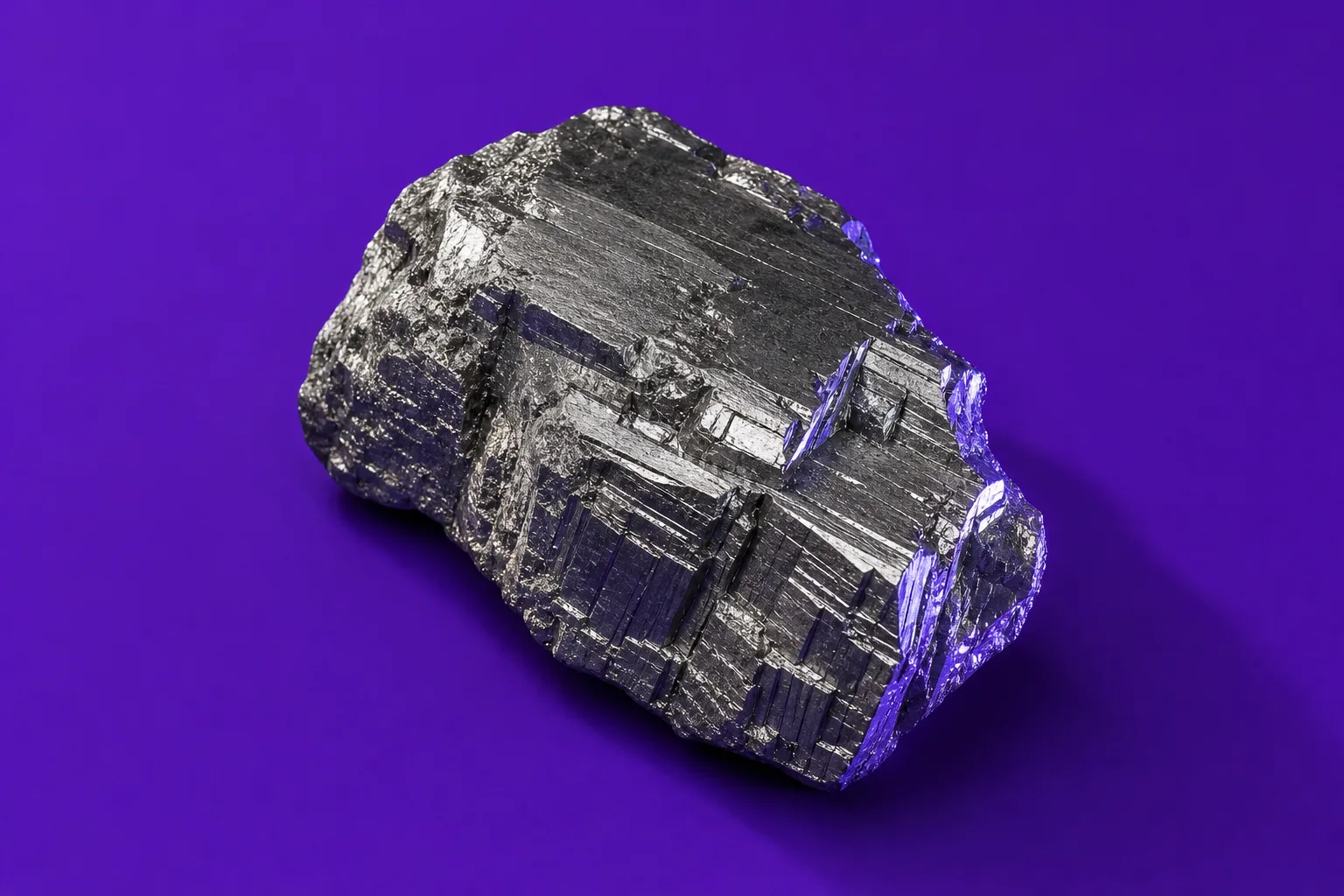
EQ Resources became one of the standout movers on the Sydney market after shares jumped 34% on July 20, 2026. The rally followed news that mining billionaire Andrew Forrest will acquire Oaktree Capital’s entire 16.8% holding in the tungsten producer.
Based on the prior close, the transaction is valued at about A$190 million, or roughly $133 million. The move gives Forrest exposure to one of the largest operating tungsten platforms outside China at a time when global supply of the metal is tightening.
The deal lands as tungsten prices in Europe hit a record $3,025 per ton, underscoring how strategic metals are moving higher as export controls, defense demand, and stockpiling reshape supply chains.
Key Facts
- EQ Resources shares rose 34% in Sydney trading on July 20, 2026 after the stake purchase was disclosed.
- Andrew Forrest agreed to acquire 862.1 million shares and 35.6 million options from Oaktree Capital.
- The transaction covers Oaktree Capital’s full 16.8% interest in EQ Resources and is worth about A$190 million based on the previous close.
- European tungsten prices reached an all-time high of $3,025 per ton after a year-long rally.
- Australia holds the world’s largest tungsten reserves outside China, a key factor in the sector’s strategic appeal.
EQ Resources and the Tungsten Market
The immediate market reaction reflects more than a simple change in ownership. Forrest is one of Australia’s most closely watched mining investors, and his entry into EQ Resources signals rising confidence in tungsten as a strategic commodity. Investors often view such transactions as both a valuation endorsement and a sign that the asset has gained broader geopolitical relevance.
EQ Resources sits at the center of a niche market that has become increasingly important for defense and high-end manufacturing. Tungsten is used in armor-piercing munitions, aerospace parts, cutting tools, electronics, and semiconductor production. That mix gives the metal unusual leverage to multiple themes at once: military spending, industrial capacity, and the push by Western economies to secure critical mineral supply outside dominant producers.
China remains the defining force in tungsten, both in supply and policy influence. Beijing’s decision to place certain tungsten products on its export control list has intensified concern over availability in international markets. For miners with operating assets beyond China, that policy backdrop can translate into higher strategic value, stronger pricing power, and greater interest from capital markets and industrial buyers.
For investors, the core message is clear: scarce non-China tungsten supply is becoming more valuable as geopolitical risk and industrial demand tighten the market.
Why tungsten has become a strategic metal
Tungsten has long been important to industrial production, but recent market conditions have elevated it into a higher-priority category. The metal’s hardness and heat resistance make it difficult to replace in specialized applications, particularly in defense systems and precision manufacturing. When supply tightens, downstream users often have limited short-term substitutes.
The latest price surge suggests the market is responding not only to current demand but also to fears of future scarcity. Stockpiling outside China has accelerated, while war-related demand has added pressure to physical supply. That combination can create abrupt price moves, especially in smaller commodity markets where available inventory is thin and a few policy changes can shift global balances.
Implications for Investors
For equity investors, Forrest’s purchase raises the profile of EQ Resources and may prompt a broader reassessment of listed critical minerals companies with exposure to constrained supply chains. A strategic stake from a high-profile mining figure can improve market visibility and increase expectations around future partnerships, funding options, or operational expansion.
The opportunity, however, comes with volatility. Tungsten is a specialized market, and sharp price gains can attract speculative buying that moves faster than underlying fundamentals. Investors should watch whether EQ Resources can translate stronger sentiment into sustained earnings power, production growth, and commercial contracts rather than relying solely on scarcity-driven momentum.
At the portfolio level, the deal reinforces a wider trend: critical minerals are increasingly influenced by geopolitics rather than just traditional commodity cycles. Companies tied to defense supply chains, export restrictions, and non-China resource development may continue to command premium valuations. Key watch-points include tungsten price durability, further policy moves from China, and whether additional strategic investors target upstream producers.
If tight physical conditions persist, tungsten could remain one of the more closely watched niche metals in 2026. Forrest’s move into EQ Resources suggests that strategic capital is already positioning for that possibility.