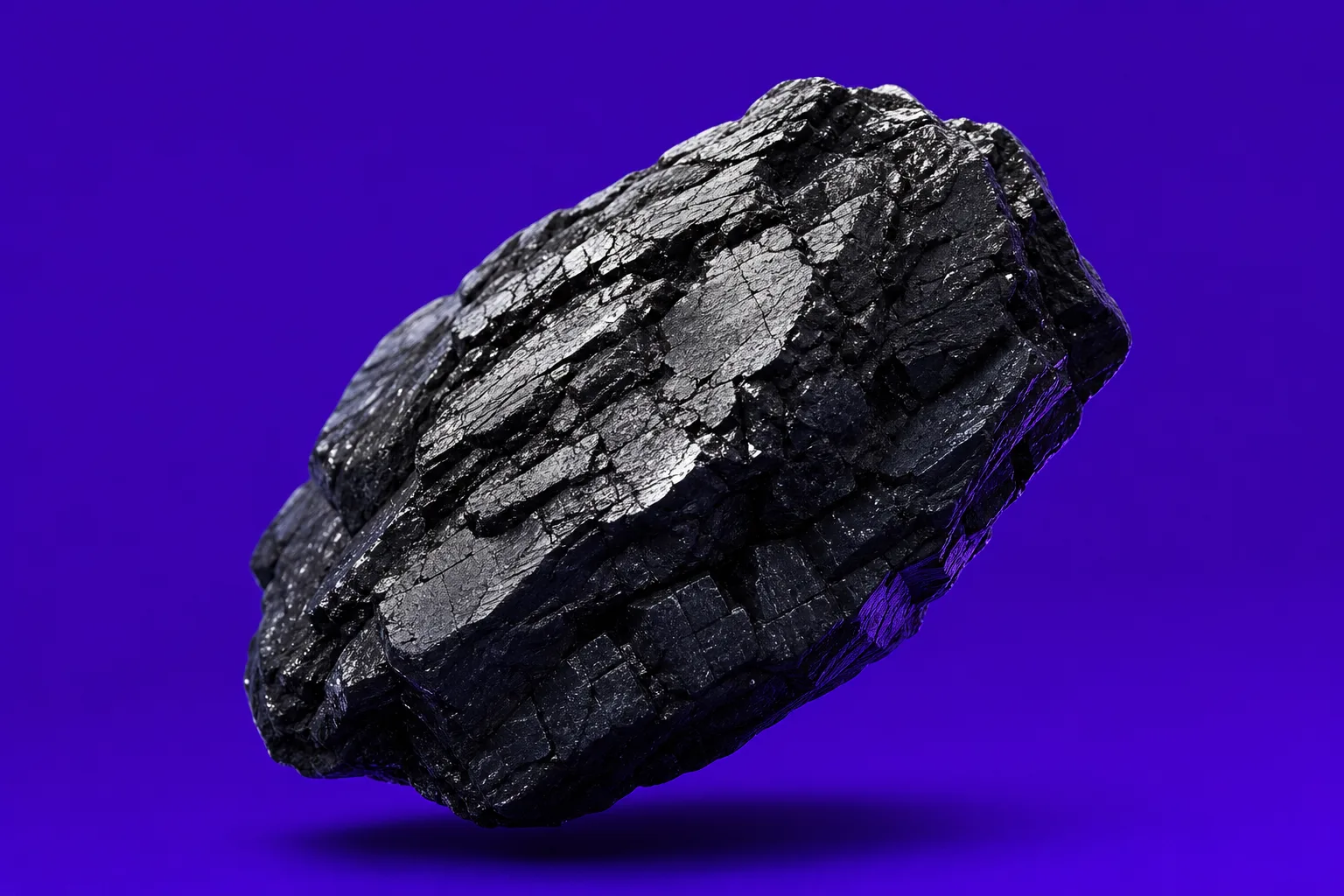
Europe gas prices have climbed to levels that are reshaping the region’s power mix. With benchmark gas prices rising above €80 per megawatt hour, coal-fired electricity has become cheaper than gas-fired generation in parts of Europe for the first time in years.
That price reversal is sending utilities back to coal, especially in Germany, even as the European Union continues to expand renewable capacity and pursue long-term decarbonization goals. For investors, the move underscores how energy security concerns can override climate policy in periods of market stress.
The latest shift also shows that Europe’s energy crisis has not fully passed. High import dependence, geopolitical disruption, and constrained supply are still feeding volatility into gas and power markets across the continent.
Key Facts
- European gas prices rose above €80 per megawatt hour, the highest level in three years.
- Coal-fired power has become cheaper than gas-fired generation in Europe after years of coal losing ground.
- Coal is expected to remain cheaper than gas for power generation through 2027 and potentially until March 2028.
- Coal’s share of European Union electricity generation fell from more than one-third in 1990 to 9.2% in 2025.
- Coal still accounts for roughly 40% of global greenhouse gas emissions, despite its shrinking role in Europe.
Europe Gas Prices
The core issue is simple: fuel economics have shifted. When gas prices move high enough, utilities with access to both fuels often favor coal, even after accounting for emissions costs and policy pressure. In Europe, that threshold has now been crossed in enough markets to alter dispatch decisions and revive demand for remaining coal plants.
Germany is central to this story because it is both Europe’s largest economy and one of its most important power markets. A sustained period of elevated gas prices increases the value of coal capacity that many investors had assumed would become progressively less relevant. The result is not a full reversal of Europe’s energy transition, but it is a meaningful pause in the expected speed of coal’s decline.
The wider significance is that Europe remains vulnerable to imported energy shocks. The region has reduced dependence on Russian pipeline flows, but that has increased reliance on liquefied natural gas and global seaborne trade. When geopolitical tensions disrupt major transport routes or tighten global balances, Europe faces immediate price pressure that feeds through to utilities, industrial users, and household bills.
Europe’s power market is relearning an uncomfortable lesson: when gas becomes scarce and expensive, coal regains economic relevance no matter how strong the long-term policy push against it may be.
Why coal can rebound even in a decarbonizing market
Europe’s coal comeback has clear limits. The region has spent decades retiring coal-fired plants, tightening environmental rules, and shifting investment toward wind, solar, storage, and grid upgrades. That means there are simply fewer coal assets available to ramp up than in previous energy crises.
Even so, the surviving coal fleet can still influence marginal power prices and fuel demand when gas costs spike. This is especially important during winter, when heating demand rises and power systems need dependable generation. In that setting, old assumptions about fuel hierarchy can change quickly, particularly when utilities are focused on affordability and grid stability.
The broader global picture is more complicated. While Europe has been shrinking coal use, many emerging Asian economies continue to rely on the fuel for low-cost and dispatchable power. Countries such as Indonesia and the Philippines have continued adding capacity, reflecting a different balance of priorities: economic development, domestic fuel access, and grid reliability. That divergence matters for commodity investors because it supports ongoing seaborne coal demand even as advanced economies try to phase the fuel out.
Implications for Investors
For investors, elevated Europe gas prices create winners and losers across the energy and utilities complex. Utilities with flexible generation fleets and access to coal capacity may see improved short-term economics relative to gas-heavy peers. Coal producers and logistics providers could also benefit if higher burn rates persist longer than expected, particularly through winter demand peaks.
At the same time, the rebound in coal use adds policy and reputational risk. A sustained return to more carbon-intensive generation could sharpen debate around emissions targets, carbon pricing, and emergency intervention in energy markets. Investors should watch whether governments respond with fresh subsidies, price caps, capacity payments, or accelerated permitting for renewables and storage.
The longer-term read-through may ultimately favor clean energy rather than undermine it. Repeated gas shocks strengthen the investment case for domestic generation sources that are not exposed to imported fuel disruptions. Wind, solar, batteries, grid infrastructure, and flexible low-carbon backup capacity all stand to benefit if policymakers conclude that energy security and decarbonization need to move faster together, not separately.
Key watch points include winter gas storage levels, LNG import flows, industrial demand destruction, and the forward curve for European gas through 2028. If supply constraints persist, coal may remain part of the generation mix longer than many expected, even as the strategic direction of travel still points toward renewables.
Europe’s latest fuel switch is a reminder that energy transitions rarely move in a straight line. Investors should expect continued volatility, with short-term returns shaped by fossil fuel economics and long-term value increasingly tied to energy security, flexibility, and low-carbon supply.