FTEC ETF traded at $273.16 in late Monday action, up 1.13%, but the modest gain did not reflect a calm session under the surface. The Fidelity MSCI Information Technology Index ETF was pulled in opposite directions by a rebound in large-cap tech and a sharp selloff in parts of the semiconductor and memory complex.
The biggest takeaway for investors is concentration. Apple, NVIDIA and Microsoft now account for 45.06% of the fund, leaving FTEC more exposed to single-stock swings than its 285 holdings might suggest.
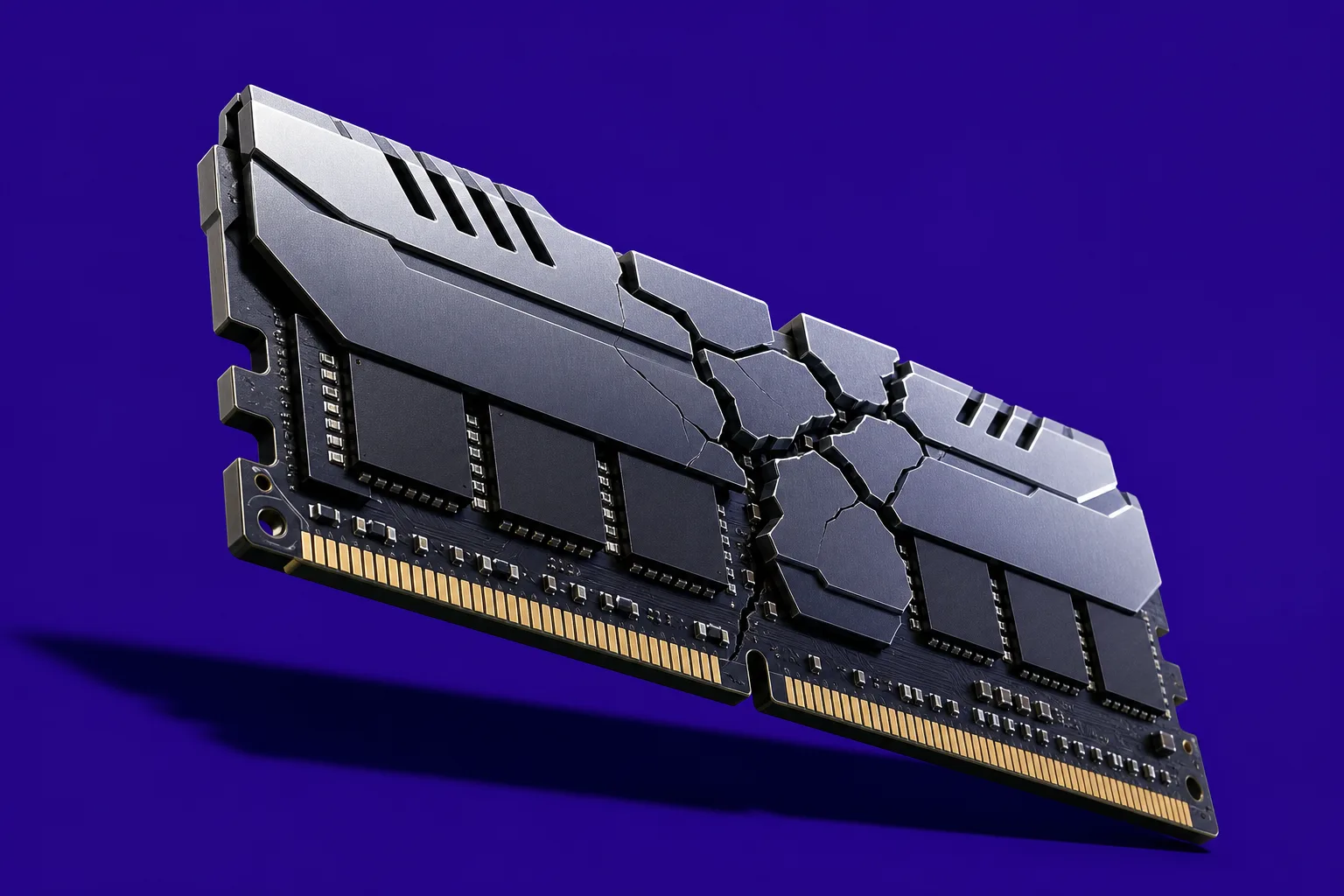
That matters at a time when technology leadership is fragmenting. Oracle surged 5.6%, while Micron, one of FTEC’s top five holdings, fell 3.5% as pressure mounted across memory names worldwide.
Key Facts
- FTEC rose $3.06 to $273.16 after trading between $267.92 and $273.97, a 2.3% intraday range.
- Apple, NVIDIA and Microsoft represented 45.06% of FTEC as of July 30, with Apple the largest holding at 18.55%.
- Micron, which carries a 3.59% weight in FTEC, dropped 3.5% during the session while Oracle gained 5.6%.
- FTEC’s top 10 holdings make up 62.23% of the portfolio across 285 total positions.
- The fund trades at roughly 33.74 times earnings and offers a 30-day SEC yield of 0.34%.
FTEC ETF
FTEC’s session illustrated a central challenge in technology investing: the sector is no longer moving as one trade. Cloud and AI infrastructure shares rallied, helped by strong demand expectations and large contracted backlogs, while semiconductor and memory-related stocks lagged badly. The Philadelphia Semiconductor Index was roughly flat to slightly lower even as the Nasdaq Composite gained 1.77%, underscoring the divergence.
For FTEC holders, that split is especially important because the ETF blends very different business models under a single sector label. Apple and Microsoft bring scale, cash flow and ecosystem strength. NVIDIA and Broadcom provide exposure to AI-driven chip demand. Micron adds cyclical memory exposure, which can be highly volatile when pricing power weakens or new capacity enters the market. In a passive fund, these crosscurrents are absorbed rather than managed.
The composition of the fund amplifies the issue. Apple recently overtook NVIDIA as FTEC’s largest position, and that shift came just as Apple shares faced pressure after weaker-than-expected Services and China revenue trends. With Apple at 18.55%, even a single sharp move can materially affect the ETF’s performance. A 7% decline in Apple alone can drag the fund by roughly 130 basis points before the rest of the portfolio is considered.
FTEC offers broad technology exposure on paper, but in practice its returns are increasingly shaped by a handful of mega-cap stocks and a semiconductor cycle that is no longer moving in sync.
Why the semiconductor divergence matters
Semiconductors remain one of the most important performance drivers inside FTEC. NVIDIA accounts for 16.91% of assets, while Broadcom and Micron add another 7.76% combined before counting smaller holdings in AMD, Intel and chip-equipment companies. That gives the fund substantial direct exposure to the chip cycle despite its broader large-cap tech profile.
The problem is that not all chips are benefiting equally from AI spending. Logic and accelerator demand tied to data centers remains strong, but memory has come under pressure. Micron’s decline followed concerns that ChangXin Memory Technologies had expanded its DRAM market share to 8%, signaling more competitive supply in a market that had been priced for tighter discipline. That development rippled into Asia, where Samsung Electronics and SK Hynix both sold off sharply, highlighting how fast sentiment can shift in cyclical subsectors.
Implications for Investors
For investors considering FTEC, the fund still offers attractive long-term exposure to the U.S. technology sector at a low 0.084% expense ratio. Over the 10 years through June 30, 2026, it delivered an annualized return of 24.13%, showing how effective broad tech exposure has been during a period dominated by digital platforms, semiconductors and cloud computing.
Still, the current setup comes with clear risks. Valuation is elevated, concentration is high, and rate sensitivity remains a major variable. The fund’s earnings multiple near 33.74 times sits alongside a 0.34% yield, leaving little income cushion if long-term Treasury yields rise further. Technology shares tend to be especially sensitive to higher discount rates because so much of their valuation depends on future cash flows rather than near-term distributions.
Investors should also watch the internal leadership of the sector rather than just the headline move in the Nasdaq. If semiconductor shares continue to lag software, cloud infrastructure and mega-cap platform stocks, FTEC may produce steadier but less explosive upside than more targeted AI or chip funds. On the other hand, if semiconductors stabilize and Apple regains footing, the ETF could benefit from having large positions in both defensive mega-cap tech and high-growth chip names.
Another consideration is what FTEC does not own. Because of sector classification rules, the fund excludes major growth names such as Alphabet, Meta, Amazon, Tesla and Netflix. That makes FTEC a purer information technology vehicle, but it also means investors seeking total U.S. growth exposure may need to pair it with broader index products. In exchange, the ETF provides access to technology across market-cap tiers, with about 10.6% allocated below large cap, giving some exposure to emerging industry leaders.
Near term, attention is likely to remain on three variables: whether semiconductor shares stop lagging the broader Nasdaq, whether Apple stabilizes after its recent weakness, and whether interest-rate expectations rise again. Those factors will do more to shape FTEC’s path than its low fee or broad name count.
FTEC remains a compelling technology ETF, but it is not a simple one-way bet on the sector. Investors should treat it as a concentrated portfolio of mega-cap leadership, semiconductor volatility and rate-sensitive growth exposure, with performance likely to hinge on which part of tech leads next.