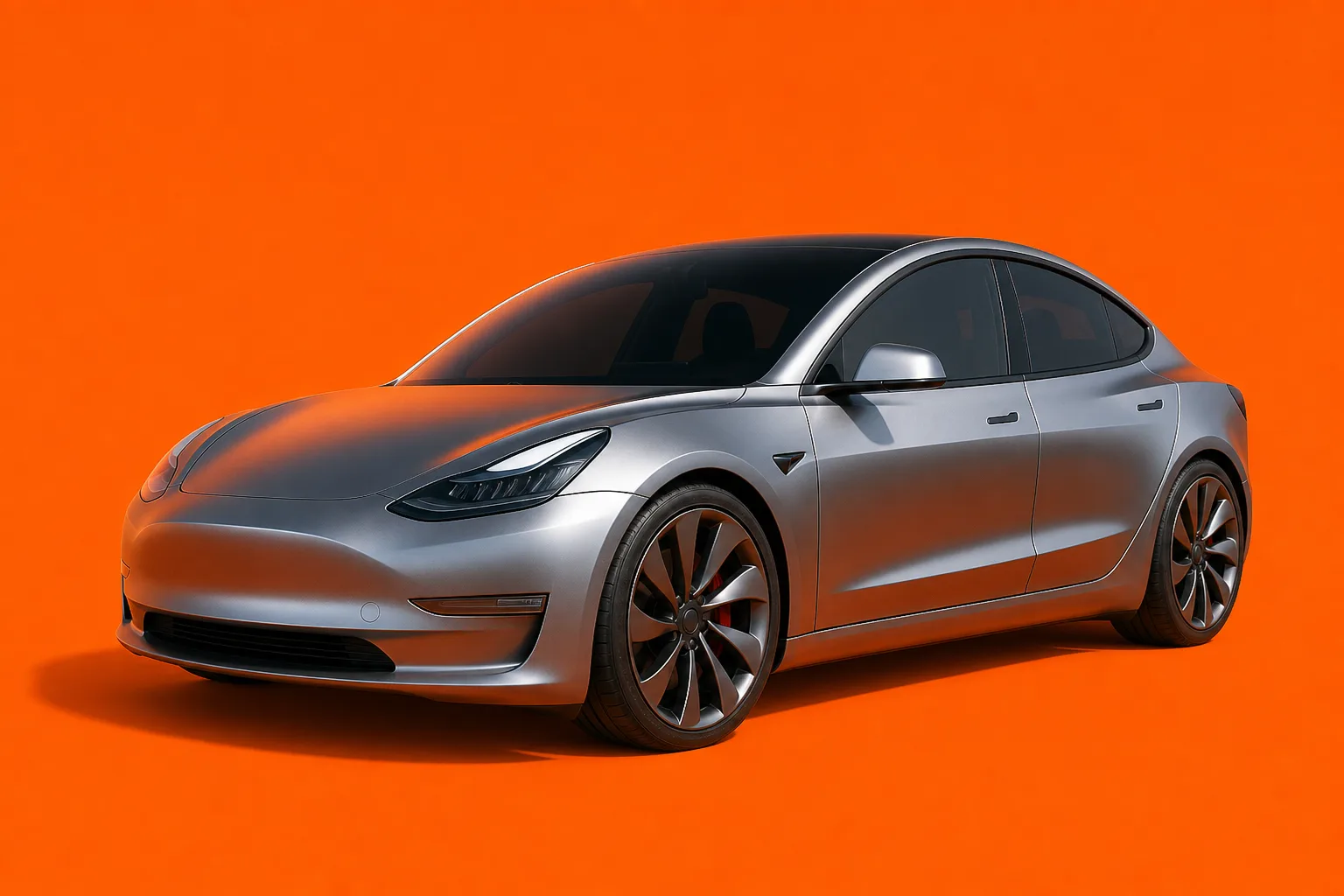
G7 Geneva protests escalated into isolated violence on June 14, when demonstrators smashed windows at a United Nations agency building and set a Tesla vehicle on fire ahead of the leaders’ summit in nearby Evian-les-Bains.
Police said roughly 20,000 people joined the march in Geneva, which was largely peaceful despite property damage and the seizure of knives and pyrotechnic devices. The unrest comes as France and Switzerland enforce one of the region’s heaviest cross-border security operations in years.
For markets, the immediate story is not the material damage itself, but the concentration of political, transport, and security risk around a high-profile international summit that sits astride one of Europe’s busiest border corridors.
Key Facts
- About 20,000 people took part in the June 14 protest march in Geneva, with police describing the event as largely peaceful overall.
- Switzerland deployed 4,000 soldiers to support police, while France assigned more than 13,000 police and gendarmerie officers to secure the June 15-17 G7 summit.
- Only 7 of the 35 highway border crossings are set to remain open during the summit security operation.
- More than 110,000 people commute across the French-Swiss border each day to work in Geneva, making transport restrictions economically significant.
- French border control staffing was increased from about 60 officers on a normal day to 800 ahead of the summit.
G7 Geneva Protests
The protests were directed at the G7 summit being held across the border in Evian-les-Bains, where leaders including U.S. President Donald Trump are scheduled to meet from June 15 to June 17. Demonstrators opposed the gathering on anti-globalization and geopolitical grounds, while authorities sought to keep the summit insulated from disruption through border controls, airspace restrictions, road closures, and lake patrols.
Although the march itself had authorization, officials imposed a broader ban on public gatherings in Geneva outside the organized protest. The gap between a largely peaceful turnout and pockets of vandalism matters because it illustrates a familiar risk pattern around major diplomatic summits: most activity remains orderly, but isolated incidents can still trigger elevated insurance costs, commercial disruption, and operational strain for local institutions and businesses.
The episode also highlights Geneva’s role as a strategic hub for international diplomacy, cross-border labor, and multinational operations. When security measures intensify in such a concentrated economic corridor, even short-term restrictions can affect commuting patterns, office operations, logistics timing, hospitality demand, and local retail traffic.
“A largely peaceful protest can still carry outsized economic significance when it collides with a major summit, tight border controls, and one of Europe’s busiest commuter routes.”
Why the security response matters
The summit’s location creates unusual operational complexity. Leaders are arriving through Geneva’s international airport in Switzerland before moving into France under heavy protection, reflecting how deeply intertwined the two countries are around Lake Geneva. That has required an expanded bilateral security framework, with military cooperation and layered controls across road, air, and border systems.
Historical memory is also shaping the response. During the 2003 G8 summit in Geneva, anti-globalization protests led to extensive vandalism, and local businesses have prepared accordingly this time by boarding up storefronts. Some institutions have shifted staff to remote work during the summit period, a practical move that reduces security exposure but also underscores how political events can alter near-term business continuity planning.
Implications for Investors
For investors, the immediate market impact is likely to be limited and localized, but the event reinforces several themes worth monitoring. First, security-sensitive sectors such as transport, airports, event infrastructure, insurance, and hospitality can see temporary volatility in demand patterns and operating costs when international gatherings trigger movement restrictions and protest risk.
Second, cross-border labor dependence is an underappreciated economic variable. With more than 110,000 daily commuters tied to Geneva, restrictions at all but seven highway crossings could create bottlenecks that affect staffing reliability, productivity, and service delivery. Companies with dense regional operations, just-in-time workflows, or customer-facing exposure in the area may face short-lived disruptions even if the summit concludes without wider unrest.
Third, the symbolic targeting of a Tesla vehicle is a reminder that brand visibility can translate into reputational and physical risk during politically charged demonstrations. That does not necessarily alter the investment case for a global automaker on its own, but it does fit a broader pattern in which highly recognizable consumer or technology brands can become proxy targets during anti-elite or anti-globalization protests.
Beyond the summit itself, investors should watch whether discussions among G7 leaders on trade, immigration, and geopolitical conflicts produce policy signals with broader market relevance. Any credible shift in tariff posture, sanctions alignment, defense coordination, or migration policy would matter far more to asset prices than the localized unrest in Geneva, but the protests frame the political tension surrounding those debates.
The key near-term watchpoints are whether security restrictions ease quickly after June 17, whether transport flows normalize across the French-Swiss border, and whether any summit outcomes alter the outlook for trade-sensitive sectors. For now, the Geneva unrest is best viewed as a localized stress event with wider significance as a barometer of political risk around major international policymaking gatherings.