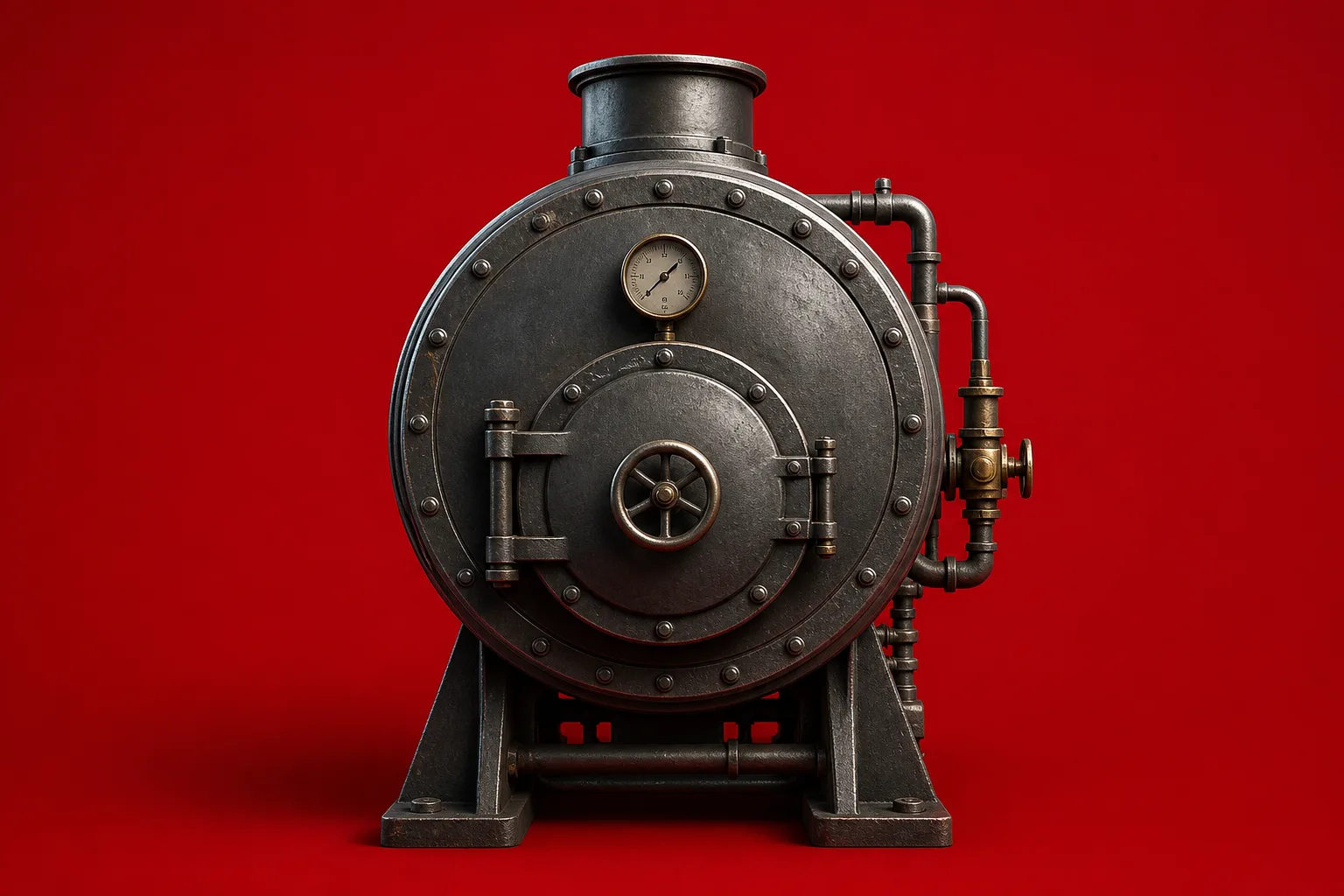
Gas turbine shortage is becoming a critical constraint for AI infrastructure buildouts as developers race to secure power for new data centers. With turbine deliveries reportedly booked out through 2030 in some cases and potentially as far as 2032 for new orders, operators are increasingly exploring older but more available boiler-and-steam systems.
The change is more than a technical workaround. It reflects how the AI boom is colliding with industrial supply limits, especially in specialized turbine components such as blades and vanes, where global casting capacity appears tightly constrained.
For investors, the issue matters because access to electricity is now one of the main bottlenecks in data center expansion. The companies that can shorten deployment timelines may gain an edge in winning hyperscale and AI-related workloads.
Key Facts
- Elon Musk said gas turbines are effectively sold out through 2030, citing severe backlog in key components including blades and vanes.
- SpaceX is preparing a factory in Bastrop, Texas, and Musk said in-house production could accelerate gas turbine availability by as much as 18 months.
- Applied Digital CEO Wes Cummins said gas turbines ordered now may not be delivered until 2032.
- Babcock & Wilcox has a $2.4 billion agreement with Base Electron to support 1.2 GW of generation for Applied Digital AI campuses.
- Operations tied to that on-site power buildout are anticipated to begin in 2028.
Gas Turbine Shortage
The immediate problem is straightforward: AI data centers need enormous amounts of reliable power, but the fastest conventional route—on-site natural gas generation using gas turbines—is running into manufacturing bottlenecks. High-performance gas turbines require advanced alloys, precision casting, and a limited set of suppliers capable of producing the hottest-section parts. That makes the market difficult to scale quickly when demand surges.
As a result, some developers are revisiting a more traditional setup: burning natural gas on-site in industrial boilers to create steam, then using steam turbines to generate electricity. While this approach is less fashionable and can be less efficient than modern gas turbine systems, it benefits from a broader and more mature supply chain. Boiler makers can often deliver equipment far faster than turbine manufacturers constrained by specialty casting capacity.
The companies most affected are AI infrastructure developers, colocation operators, hyperscalers, utilities, and industrial equipment manufacturers. For data center projects, the central question is no longer just where to find land and fiber. It is whether enough power can be delivered on the required timeline. In that environment, equipment availability can be as important as fuel cost or thermal efficiency.
When gas turbines are delayed for years, speed to power becomes more valuable than elegance of design.
Why steam systems are back in the conversation
Despite the terminology, both gas turbines and boiler-and-steam systems can rely on the same fuel source: natural gas delivered to the site. The difference is in the conversion process. Gas turbines burn fuel directly to generate power, while steam systems add an intermediate step by using the gas to boil water before spinning a turbine.
That extra step can reduce efficiency and increase complexity, but it opens the door to equipment categories with more flexible material requirements and deeper manufacturing capacity. That is why packaged boiler systems are regaining relevance for AI campuses that cannot wait until the next decade for power generation assets.
Implications for Investors
The first implication is that the AI infrastructure trade increasingly extends beyond chipmakers and server vendors. Power equipment manufacturers, boiler suppliers, engineering firms, grid services companies, and natural gas infrastructure operators may all benefit as developers seek practical ways to energize large campuses. Babcock & Wilcox is one of the clearest examples of this theme, given its role in the 1.2 GW project tied to Applied Digital.
The second implication is risk. Investors should watch for cost inflation, execution challenges, and permitting delays tied to on-site generation. Steam-based systems may solve one bottleneck while introducing others, including water use, emissions compliance, and plant integration complexity. For data center operators, this could pressure returns if projects require more capital or longer commissioning periods than originally planned.
Third, the shortage reinforces the strategic value of alternative power sources. Existing nuclear generation and long-term nuclear agreements are becoming more attractive as hyperscalers seek stable, carbon-light power over multidecade horizons. Natural gas appears to remain the bridge fuel for many projects, but the long-term direction still points toward a mix that includes more nuclear and renewables as operators aim to reduce emissions without sacrificing reliability.
Investors should monitor turbine lead times, large power procurement agreements, and capital commitments for on-site generation. As AI demand expands, the winners may be the companies best positioned to solve the electricity bottleneck rather than simply the ones adding computing capacity.