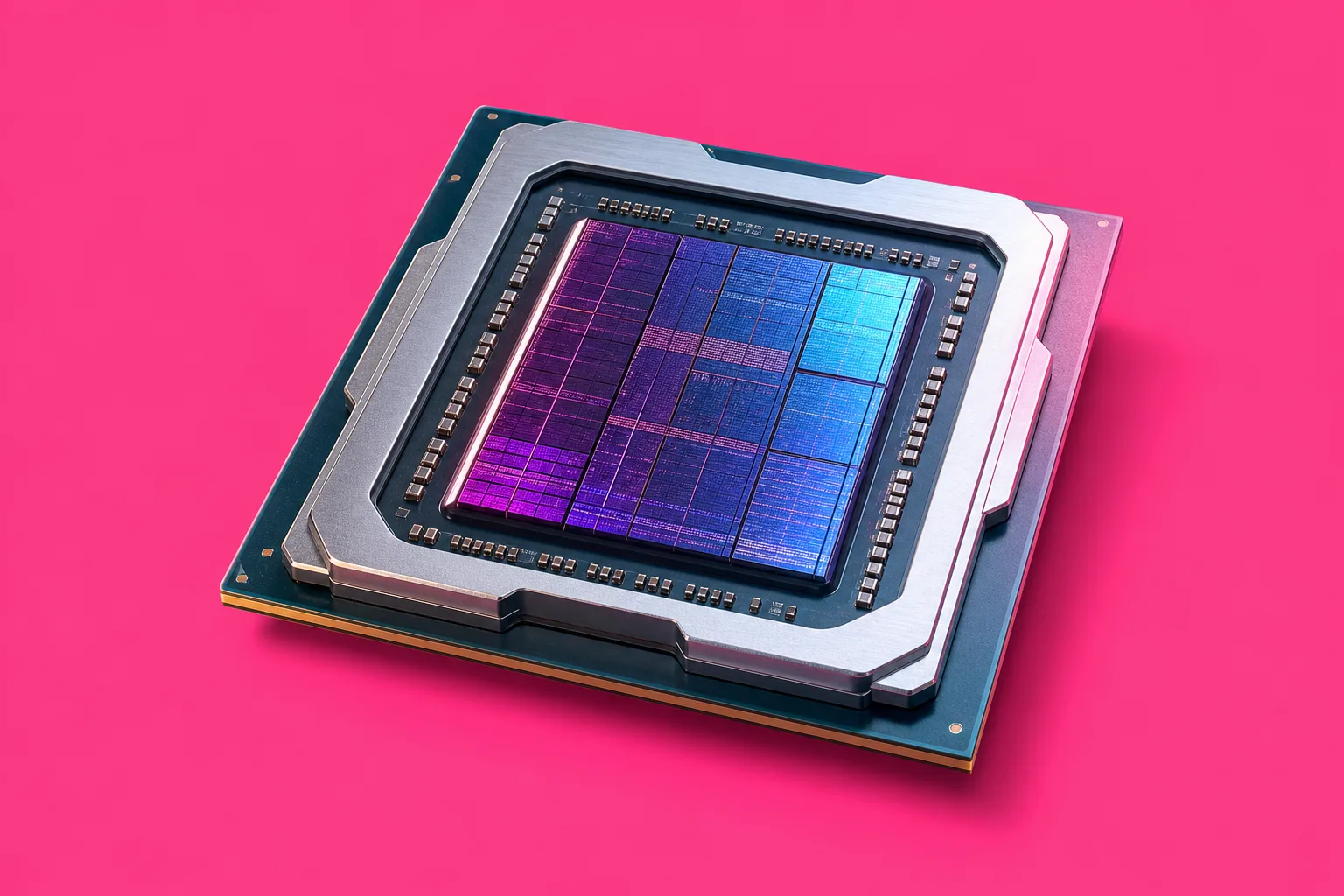
Intel plans to raise $15 billion through an underwritten public offering of common stock, adding one of the largest equity financings yet tied directly to the artificial intelligence infrastructure buildout. The company said the proceeds may be used for general corporate purposes, including capital expenditures and working capital.
The proposed deal also includes a 30-day option for underwriters to buy up to $2.25 billion of additional shares, which could lift the total raise to $17.25 billion. For investors, the announcement underscores a clear shift in how AI expansion is being financed as spending needs outpace internally generated cash.
Intel shares had gained more than 175% year to date through the prior Friday close, but the stock fell about 3% after the offering announcement on August 10, 2026. That reaction reflects a familiar tension in equity markets: investors may welcome faster growth investment, while also weighing the dilution that comes with new share issuance.
Key Facts
- Intel announced a $15 billion underwritten public offering of common stock on August 10, 2026.
- The underwriters hold a 30-day option to purchase up to an additional $2.25 billion of shares.
- If fully exercised, the offering could raise as much as $17.25 billion in total proceeds.
- Intel said the net proceeds may support general corporate purposes, including capital expenditures and working capital.
- Intel stock had risen more than 175% year to date through August 7, 2026, before falling roughly 3% after the financing plan was disclosed.
Intel stock offering
Intel is turning to the equity market at a moment when AI-related capital demands are accelerating across the semiconductor and cloud ecosystem. The company framed the stock sale as a way to strengthen its balance sheet while funding opportunities across AI compute, custom silicon, advanced packaging, external foundry services and what it described as the emerging physical-AI economy.
The strategy matters because Intel is not raising capital for a narrow initiative. It is trying to fund multiple layers of the AI value chain at once: chips, packaging, manufacturing capacity and services for outside customers. That makes the financing decision a signal not just about Intel’s own roadmap, but about the sheer scale of spending required to stay relevant in advanced computing and semiconductor fabrication.
Who is affected goes well beyond existing shareholders. Equity issuance can dilute current owners, especially after a large rally, but it can also provide the financial flexibility needed to execute long-cycle industrial investments. Suppliers, foundry customers, enterprise buyers and competitors will all be watching whether Intel can convert fresh capital into sustained gains in manufacturing scale, product competitiveness and AI-related revenue growth.
Intel’s planned stock sale shows that the AI buildout is becoming too capital-intensive for many companies to fund with cash flow alone.
Why the structure matters
This is an underwritten public offering, not a program that sells shares gradually over time. That distinction is important for markets because an underwritten deal typically comes with a defined launch, pricing process and investor allocation, making the dilution event more immediate and easier to assess.
The company has not yet priced or closed the sale, and completion remains subject to market conditions. Joint bookrunners on the deal are JPMorgan, Goldman Sachs, Morgan Stanley and Citigroup, a lineup that suggests broad institutional placement and significant market support for a transaction of this size.
Implications for Investors
For shareholders, the main near-term issue is dilution. When a company sells new common stock, each existing share represents a slightly smaller ownership stake unless the new capital generates returns that offset the increase in share count. A 3% decline in the stock following the announcement suggests the market immediately priced in at least part of that trade-off.
At the same time, the financing may reduce another risk: balance-sheet strain. Intel said the offering is intended to help preserve a strong financial position and support its commitment to an investment-grade rating. In a sector where AI infrastructure spending is surging, protecting access to low-cost capital can be as important as funding the next chip program or factory expansion.
Investors should now watch three things closely. First, the final pricing and whether the underwriters exercise the additional $2.25 billion option. Second, management’s pace of capital deployment into AI compute, packaging and foundry capacity. Third, whether Intel can show that these investments translate into better margins, stronger customer demand and improved competitive positioning against other large semiconductor and cloud infrastructure players.
The broader market message is hard to miss: AI investment is entering a phase where equity, debt and hybrid financing tools will likely be used more aggressively. Intel’s offering may be remembered as an early marker of that shift, especially if industry capital expenditures continue climbing into 2027.