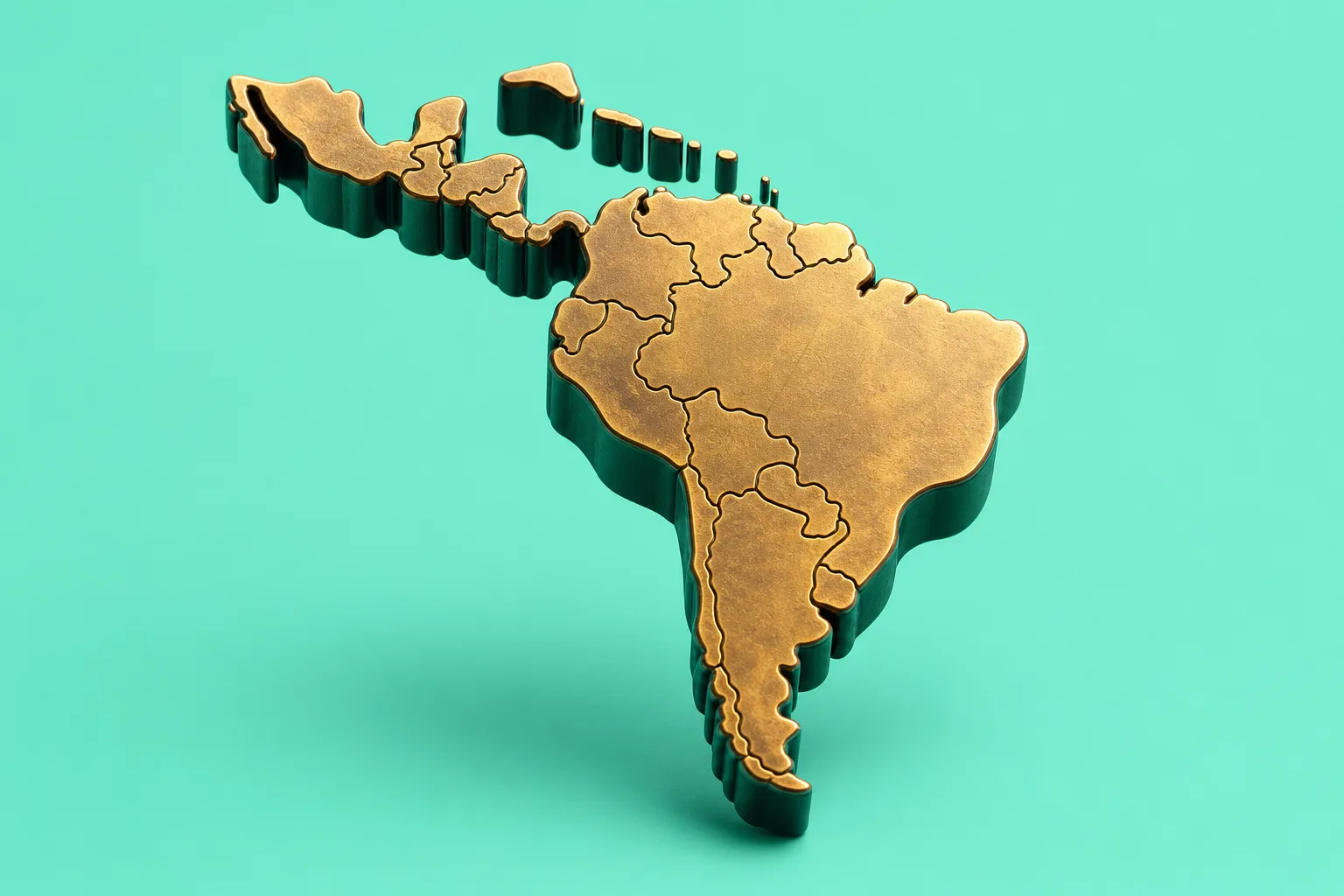
The Latin America political shift gathered force in late 2025 and 2026, with five countries flipping from left-leaning leadership to conservative governments. The regional turn is one of the most consequential political developments for investors tracking trade, commodities, sovereign risk, and security conditions across the Americas.
Bolivia, Chile, Honduras, Peru, and Colombia all moved to the right, while Uruguay shifted in the opposite direction in November 2024. The pattern suggests that inflation, crime, and dissatisfaction with state-led economic models are driving voters toward candidates promising tougher security policies and more market-friendly governance.
The change also matters beyond politics. A more conservative map in Latin America could alter fiscal policy, foreign investment rules, energy strategy, and cross-border ties with the United States, creating both opportunities and new uncertainties for companies and portfolio managers.
Key Facts
- Since late 2025, five Latin American countries — Bolivia, Chile, Honduras, Peru, and Colombia — have shifted from left to right in national leadership.
- Uruguay moved from right to left in November 2024, making it the notable exception to the broader regional trend.
- Of 16 democracies in the region with populations above 1 million, 10 have changed political direction since 2022, mostly from left to right.
- Only Brazil, Guatemala, Mexico, and Uruguay currently remain under left-wing governments among the democracies examined.
- In Chile, Honduras, Bolivia, and Peru, conservatives also strengthened their position in national legislatures, though majorities remain uneven.
Latin America Political Shift
The regional realignment reflects a voter backlash against weak growth, elevated inflation, and worsening public security. In several markets, left-leaning administrations faced criticism over crime, governance, and interventionist economic policies that failed to deliver stability. That frustration appears to have opened the door for conservative and populist candidates promising lower inflation, stronger law enforcement, and a more pragmatic stance toward private capital.
Chile, Honduras, and Colombia stand out because the political shift came in countries that had become important symbols of the region’s earlier leftward movement. In Chile, conservative leader José Antonio Kast won the December 2025 election in a landslide over Jeannette Jara. Honduras elected Nasry Asfura in December 2025, while Colombia’s Abelardo de la Espriella defeated Iván Cepeda in 2026, ending a significant chapter in the country’s recent left-led politics.
Legislative results add an important layer for investors. Executive power can change direction quickly, but reforms often depend on parliament. Bolivia’s conservatives became the largest force in both chambers, while conservative factions together hold a supermajority. In Chile, conservatives control the lower chamber and the upper chamber is evenly split. Peru’s conservative bloc holds a plurality in the lower chamber, and Colombia remains divided without a clear majority on either side. That means policy implementation may vary sharply by country even where election outcomes look decisive.
Latin America’s rightward turn is not just an electoral story; it is a market signal that voters are prioritizing security, inflation control, and economic execution over ideology.
Why the regional swing matters
The current cycle may mark the fading of the latest version of the region’s so-called pink tide, the period in which leftist and socialist movements regained influence after first rising in the late 1990s and 2000s. Leaders associated with that era often expanded the state’s role in energy, mining, and welfare systems, but many governments later struggled with fiscal pressure, investor skepticism, and deteriorating public safety.
The emergence of figures such as Javier Milei in Argentina and Nayib Bukele in El Salvador highlights a broader demand for disruption, even if those leaders differ in ideology and style. For markets, that points to a more fragmented region: some governments may pursue deregulation and pro-business reforms, while others may lean on executive power and political polarization, creating a mixed picture for long-term capital allocation.
Implications for Investors
For investors, the most immediate implication is a possible repricing of country risk across parts of Latin America. A shift toward market-friendly governments can improve sentiment around local equities, sovereign debt, currencies, and sectors tied to infrastructure, financials, mining, oil, and utilities. If conservative administrations prioritize fiscal restraint, legal predictability, and trade expansion, borrowing costs could ease over time in selected markets.
That said, election wins do not automatically translate into reform. Divided legislatures in countries such as Colombia, Chile, and Peru could slow tax changes, privatization efforts, energy policy adjustments, or labor-market reforms. Investors should also watch for social unrest, coalition instability, and legal challenges, especially where the policy agenda moves faster than institutions can absorb.
Sector exposure will matter. Energy and natural resources could benefit if new governments soften state control or encourage foreign participation, particularly in oil, gas, copper, and lithium. Banks and consumer-facing companies may gain if inflation and crime pressures moderate. On the other hand, businesses dependent on subsidies, strict price controls, or heavy state involvement may face transition risk as administrations revisit spending priorities and regulatory frameworks.
The regional backdrop also affects multinational companies and U.S.-listed investors with exposure through ETFs, ADRs, and emerging-market debt. Trade relations, anti-crime cooperation, migration policy, and industrial supply chains could all be influenced by a more conservative political map. Investors will need to separate rhetoric from execution, because campaign promises often look clearer than legislative outcomes.
The next phase will depend on whether these governments can convert electoral momentum into durable policy results. If they deliver lower inflation, better security, and steadier growth, Latin America’s political shift could become a lasting investment theme rather than a short electoral cycle.