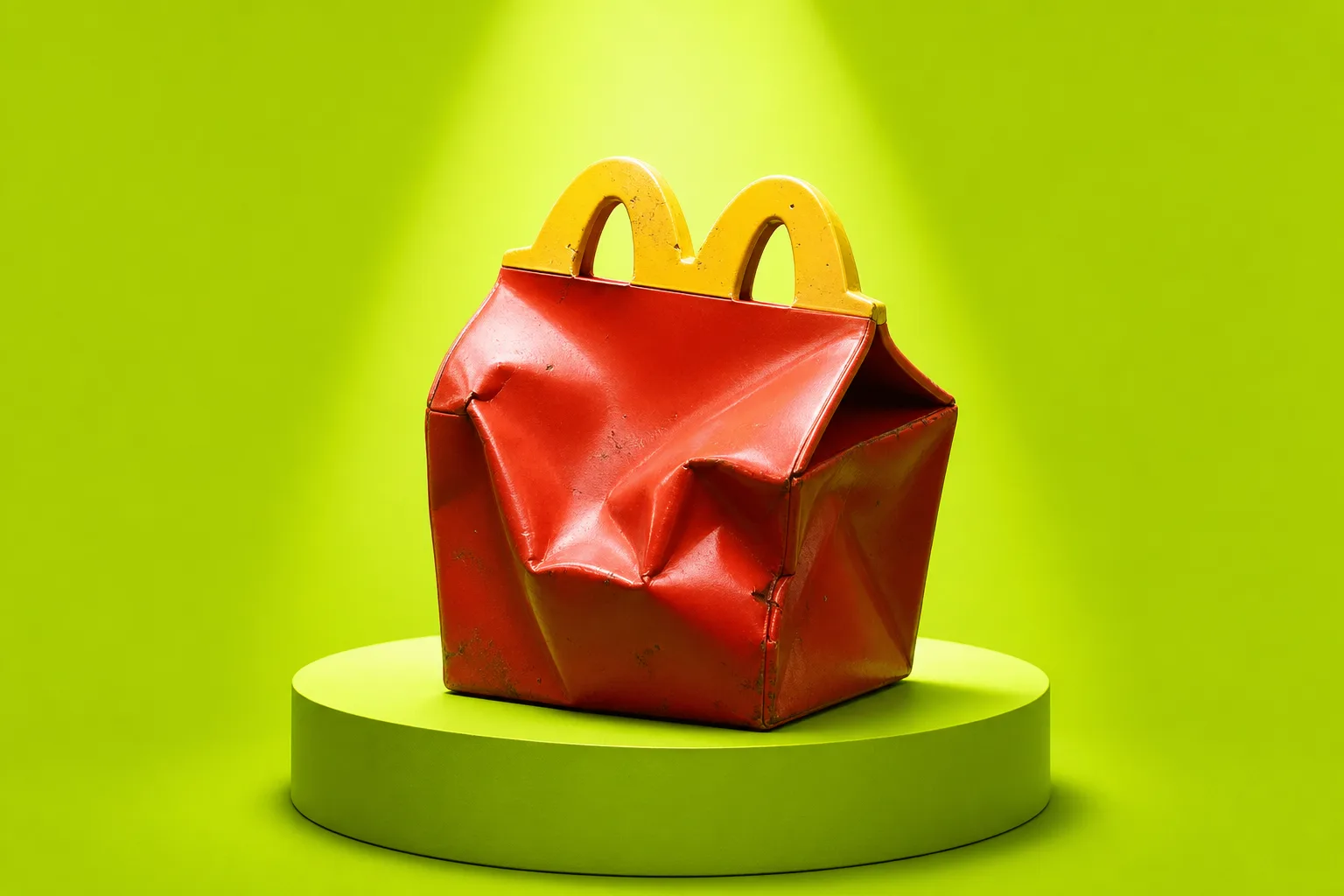
McDonald’s stock is on track for its worst annual performance in nearly a quarter-century after the company’s latest investor update reinforced concerns about slowing demand in its most important market. The shares have fallen nearly 31% from their February high, a sharp reversal for one of the restaurant sector’s most closely watched names.
The central issue is the U.S. business. Chief Financial Officer Ian Borden indicated that third-quarter U.S. comparable sales would be slightly negative, suggesting that softer traffic and weakening value perception are offsetting the benefits of menu pricing and operating scale.
For investors, the setback matters beyond one quarter. McDonald’s is pursuing a multiyear transformation that includes technology upgrades, restaurant improvements, food quality initiatives and service changes, but Wall Street is increasingly questioning how quickly that spending can translate into better sales momentum.
Key Facts
- McDonald’s shares have dropped nearly 31% from their February 2026 high and are heading for their worst annual decline since 2002.
- Management indicated U.S. third-quarter same-store sales would be slightly negative after weak trends in July and August.
- Analysts cut estimates for U.S. same-store sales to minus 0.5% in the third quarter and minus 1% in the fourth quarter.
- The company’s broader overhaul includes about $8.5 billion of multiyear initiatives, while total system investment tied to the NEXT plan has been estimated near $19 billion.
- The price of a Big Mac in the U.S. rose 23% between 2019 and the end of 2025, highlighting the pressure on the brand’s value positioning.
McDonald’s Turnaround
McDonald’s enters the second half of 2026 facing a difficult balancing act: protect margins while convincing budget-conscious diners that the chain still offers compelling value. That challenge has become more visible as menu prices have climbed over the past several years, even as consumers across lower-income and working-class segments have become more selective about where they spend.
The weak investor reaction reflects concern that the company’s turnaround timeline is slipping. U.S. comparable sales are a critical metric because they capture performance at existing locations and offer a cleaner read on brand demand than total revenue alone. A negative same-store sales print in the domestic market is especially significant for a mature operator like McDonald’s, which depends on consistency, traffic and pricing discipline to support earnings expectations.
The competitive backdrop is also getting tougher. Rival quick-service chains have recently posted stronger domestic comparable sales gains, supported by sharper promotions, refreshed core products and aggressive value offers. That contrast raises the pressure on McDonald’s to prove that its investments in technology, restaurant modernization and menu execution can drive better traffic without eroding profitability.
McDonald’s is no longer being judged only on scale and margins; it is being judged on whether customers still see the brand as affordable enough to visit more often.
Why value perception is becoming the core issue
The rise in Big Mac pricing has become a symbol of the broader challenge. Price increases helped offset higher labor, ingredient and fuel costs during the inflation surge, but they may also have weakened one of McDonald’s historic advantages: dependable low-cost convenience. If consumers begin to compare a fast-food meal with casual dining alternatives that are only modestly more expensive, traffic can become harder to defend.
That is why the company’s strategic response matters. The overhaul spans restaurant upgrades, service improvements, food quality initiatives, digital and back-end systems, and the ArchIQ technology platform aimed at boosting productivity and unit economics. The long-term logic is clear, but investors are looking for evidence that these investments can stabilize same-store sales before the spending burden weighs further on sentiment.
Implications for Investors
For shareholders, the McDonald’s setup now hinges on execution risk. A company with a global footprint, a powerful franchise model and significant pricing power is still being forced to answer a basic question: can it reignite traffic growth in the U.S. without relying too heavily on discounting? If the answer is delayed, the stock may continue to face multiple compression even if profitability remains comparatively resilient.
There are also capital allocation considerations. A systemwide investment level estimated near $19 billion, with McDonald’s potentially contributing about 45%, underscores that this is not a low-cost reset. Investors will want to monitor whether returns on that spending show up in better throughput, labor productivity, order accuracy, digital engagement and ultimately same-store sales growth. Technology-led efficiency improvements could support margins, but they need to be paired with stronger demand.
At the same time, weakness in the stock could attract long-term investors who believe the brand’s scale, franchise economics and digital capabilities remain underappreciated. Key watch points include fourth-quarter U.S. same-store sales, consumer response to value offerings, uptake of restaurant improvements and whether management can demonstrate measurable benefits from ArchIQ. In a market that has grown less patient with consumer turnarounds, consistency of execution will matter more than ambitious long-range targets.
The next few quarters are likely to determine whether McDonald’s 2026 slump marks a temporary valuation reset or a deeper shift in how investors view the company’s growth profile. A recovery remains possible, but it will require clearer proof that spending, technology and value messaging can bring customers back.