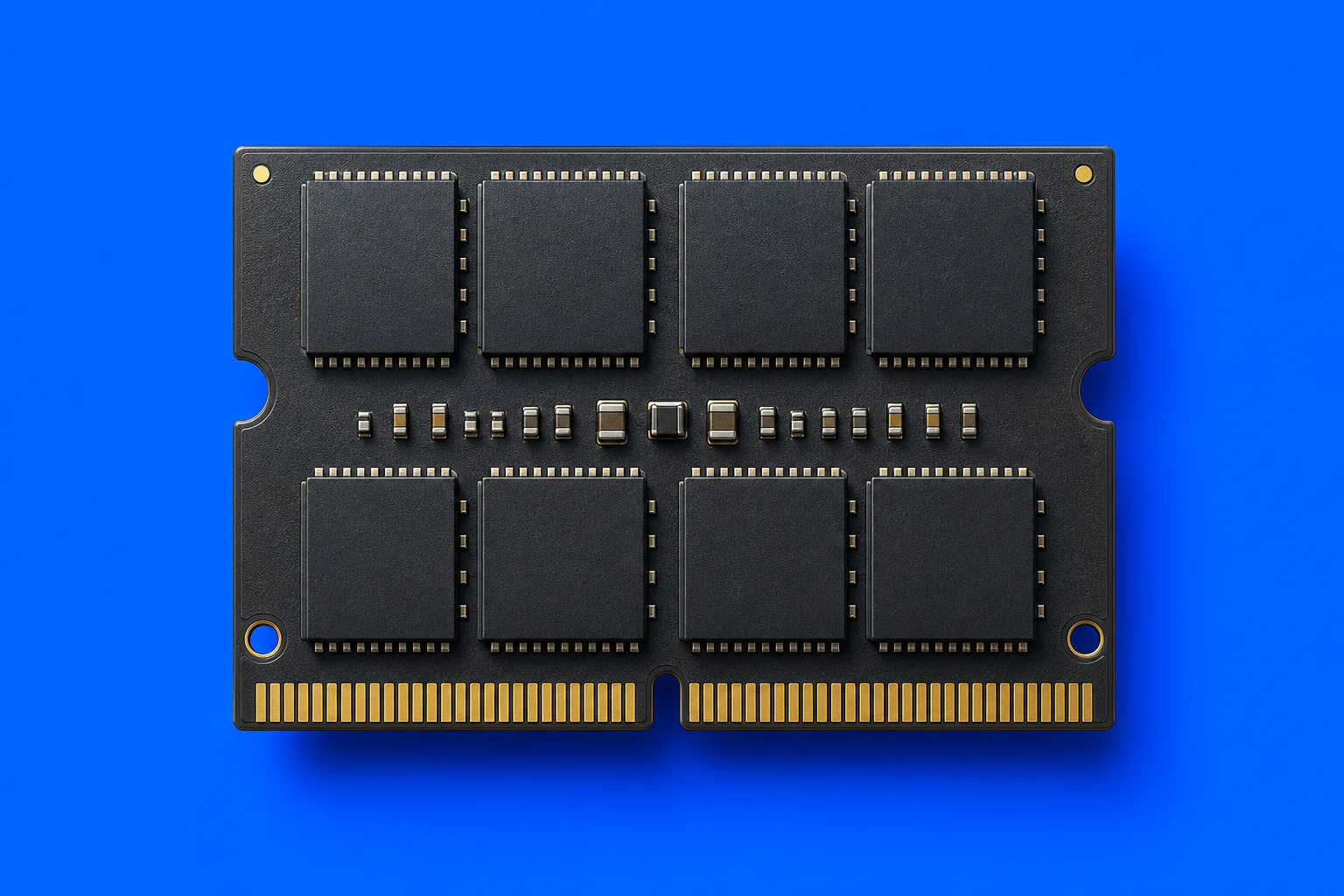
The Nasdaq selloff deepened as semiconductor stocks led a broad retreat in growth shares, with Micron dropping 11.4% ahead of a closely watched earnings report. The slide pulled the Nasdaq Composite down 1.91% to 25,667.42, while the S&P 500 lost 1.30% to 7,375.52.
The pressure began in Asia, where South Korea’s Kospi fell 9.99% intraday and triggered a 20-minute circuit breaker. Heavy losses in Samsung Electronics and SK Hynix then spread across Japan, Hong Kong, Europe, and finally into U.S. trading, underscoring how concentrated the AI and memory trade has become.
For investors, the key issue is not only the scale of the decline, but what it signals about positioning in semiconductor and AI-linked equities ahead of Micron’s results on June 25.
Key Facts
- The Nasdaq Composite fell 499.19 points, or 1.91%, to 25,667.42, while the S&P 500 dropped 97.27 points, or 1.30%, to 7,375.52.
- Micron sank 11.4% to $1,074.60 before its June 25 earnings report, making it one of the session’s weakest large-cap stocks.
- The VanEck Semiconductor ETF (SMH) dropped 6.5% to $625.62, reflecting broad-based selling across chipmakers and equipment suppliers.
- South Korea’s Kospi slid 9.99% intraday and triggered a 20-minute trading halt, with Samsung Electronics and SK Hynix each falling more than 12%.
- The Cboe Volatility Index rose 12.67% to 19.47, signaling a clear jump in hedging demand and investor anxiety.
Nasdaq Selloff
The latest Nasdaq selloff was driven primarily by a sharp repricing in semiconductors, especially memory names tied to the AI data-center buildout. Micron became the focal point because its earnings are seen as a critical test of demand for high-bandwidth memory and broader spending by hyperscale customers. When one of the market’s most crowded growth trades begins to unwind ahead of a major earnings event, the fallout rarely stays isolated.
Losses spread well beyond Micron. Marvell Technology fell about 9%, Qualcomm dropped 8.59%, Arm Holdings lost 8.41%, and Taiwan Semiconductor declined 5.2% to $443.35. In Europe, chip stocks also weakened sharply, while Asian semiconductor leaders led the overnight rout. The pattern suggests investors were not reacting to a single company-specific development, but to elevated valuations and a growing fear that expectations around AI infrastructure spending may have run ahead of near-term fundamentals.
The contrast across U.S. indexes reinforced that message. The Dow Jones Industrial Average slipped just 0.12% to 51,651.41, showing how little damage was done outside the most AI-sensitive areas of the market. The Russell 2000 fell 0.79% to 2,980.79, dropping back below 3,000 after recently closing above that level for the first time. In other words, this was a concentrated technology-led correction rather than a broad market panic.
The market is not confronting a broad economic shock; it is confronting the risks of an overcrowded AI and semiconductor trade meeting a high-stakes earnings catalyst.
Why Micron Matters So Much
Micron’s report carries unusual weight because memory has become one of the clearest expressions of the AI capital-spending boom. If management delivers strong guidance and confirms that high-bandwidth memory demand remains robust, the stock’s decline could look like a positioning shakeout. If the results disappoint, however, investors may begin to reassess not only Micron’s trajectory but also the assumptions embedded across the semiconductor supply chain.
That is why Nvidia’s relatively smaller 3.2% decline to $201.97 stood out. The market appeared to distinguish between the core AI leader and the more valuation-stretched names around it. If that relative resilience breaks, the selloff could spread more forcefully into the rest of mega-cap technology.
Implications for Investors
For portfolios, the immediate takeaway is that concentration risk remains a defining feature of this market. Semiconductor stocks and AI-linked names have delivered outsized gains, but that strength has also left them vulnerable to abrupt reversals when positioning becomes one-sided. A 6.5% decline in SMH in a single session highlights how quickly sector-wide de-risking can occur even without a clear macro catalyst.
Investors should also watch whether the selloff remains contained within semiconductors or begins to drag down the broader AI ecosystem, including cloud platforms and software beneficiaries. The split within large-cap technology is important: hardware, memory, and capital-intensive AI infrastructure names are under the greatest pressure, while some less exposed mega-cap stocks have held up better. That kind of internal rotation can stabilize the broader market, but only if confidence in AI spending does not deteriorate further.
Macro conditions add another layer of uncertainty. The VIX rising toward 20 points to a meaningful pickup in hedging activity, while the Federal Reserve’s hawkish posture leaves less room for investors to expect a policy-driven rebound in risk assets. Upcoming inflation data and Micron’s earnings could therefore shape the next move in both bond yields and growth-stock valuations.
Over the next several sessions, investors will be watching whether Micron’s results validate the AI memory boom or expose cracks in one of the market’s most important themes. Until then, volatility in semiconductor stocks is likely to remain elevated, with the Nasdaq especially sensitive to any further repricing in chip names.