Nasdaq futures rose 139 points, or 0.5%, in early trading on August 18, even as Dow futures fell 99 points. The split underscored a market being driven less by broad economic momentum and more by a concentrated surge in artificial intelligence hardware stocks.
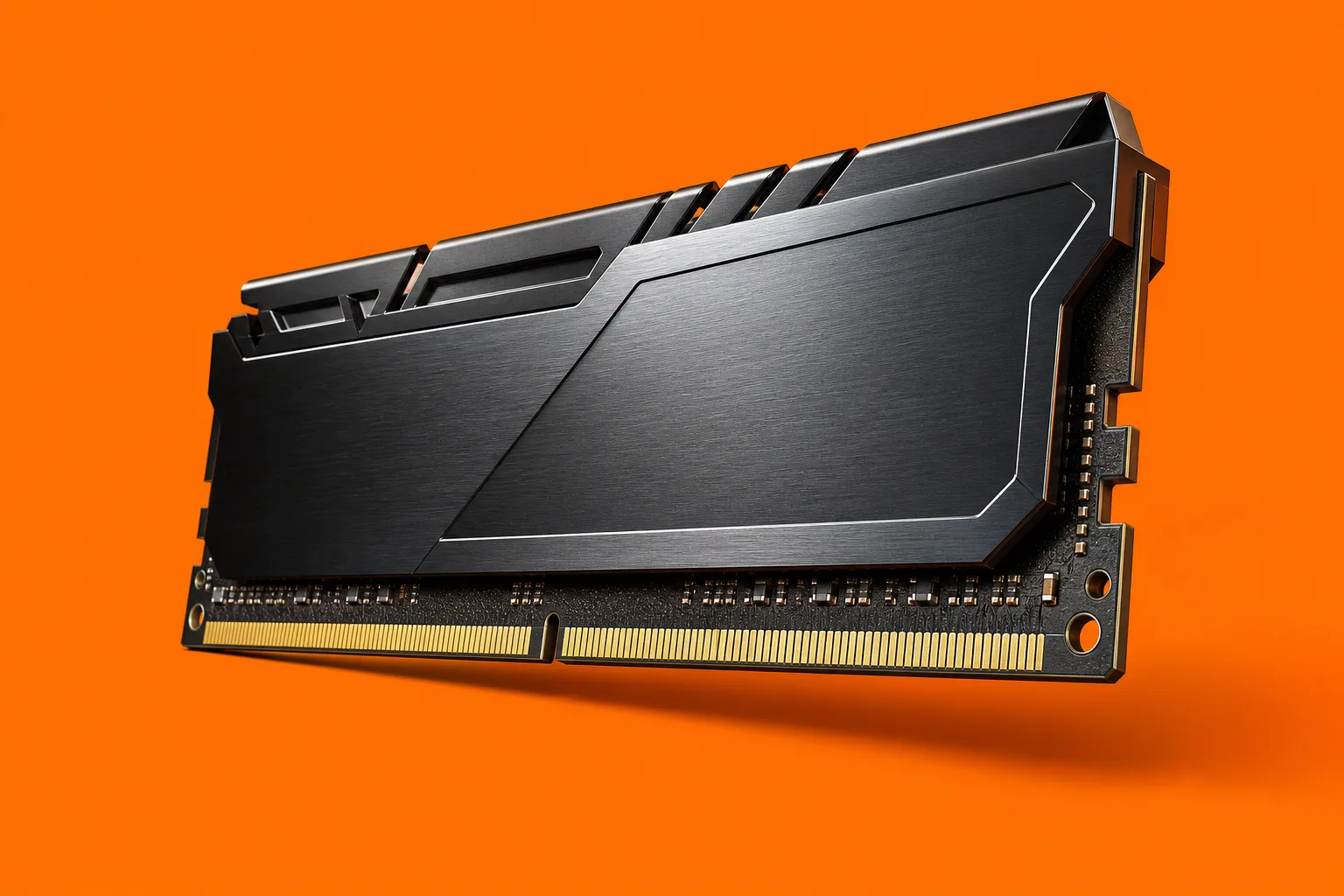
SanDisk jumped 7.4% before the open, while Micron advanced 2.3% and moved closer to the $1,000 level. The rally followed fresh evidence that AI infrastructure spending remains robust, reinforcing demand expectations for memory, storage and related semiconductor suppliers.
With only a light economic calendar before the bell, investors focused on company-specific catalysts, sector rotation and positioning ahead of the Federal Reserve minutes due later in the week. That backdrop helped the Nasdaq outperform while more defensive and industrial-heavy areas weighed on the Dow.
Key Facts
- Nasdaq 100 futures gained 139 points, or 0.5%, by 06:27 ET, while Dow futures fell 99 points, or 0.2%.
- SanDisk rose 7.39% in premarket trading to $1,641.11, and Micron added 2.30% to $971.66.
- The VIX increased 0.66 points to 14.91, a 4.63% rise from Friday’s 2026 low close of 14.25.
- Anthropic disclosed quarterly revenue above $11.5 billion, up from $787 million a year earlier and $4.73 billion in the prior quarter.
- US retail sales fell 0.6% in July, versus expectations for a 0.1% increase, helping reduce September rate-hike expectations.
Nasdaq futures and the AI memory rally
The key story behind the Nasdaq futures gain was the market’s renewed conviction in the AI buildout. Investors rotated aggressively into memory and storage names after new revenue signals from the AI ecosystem suggested that heavy spending on compute infrastructure is still translating into real commercial demand. That matters because memory chips, high-bandwidth memory products and storage components sit close to the center of the AI supply chain.
SanDisk became a focal point after extending momentum that followed its August 13 investor day. The company outlined a long-term plan calling for mid-to-high-teens annual revenue growth, gross margins near 80% and adjusted free cash flow margins around 50% for fiscal 2028 through 2030. It also said it intends to return 100% of excess cash to shareholders once the business is fully funded, a message that further strengthened investor enthusiasm.
Micron also benefited from the same narrative. The stock has gained about 13% over five sessions and is trading within reach of $1,000. Investors are weighing both AI-driven demand and a policy angle, with Micron viewed as a trusted domestic supplier at a time when scrutiny around Chinese memory sourcing has increased. The result is a repricing that goes beyond a typical semiconductor upswing and instead reflects a market willing to pay for visible margin expansion and strategic positioning.
The market is no longer treating AI memory demand as speculative; it is increasingly pricing it as contracted and durable.
Why the rally was narrow
The advance was powerful, but it was not broad. Broadcom fell 5.94% in premarket trading, while Applied Materials dropped 5.12%. Nvidia traded nearly flat despite heavy volume. That pattern suggests investors were not simply buying all semiconductor exposure. Instead, they were rotating into the parts of the AI chain with the clearest near-term volume and pricing leverage.
Software names also lagged. CrowdStrike fell 3.80%, Workday declined 3.76% and several mega-cap technology stocks traded lower. That divergence shows the Nasdaq gain was being carried by a relatively small cluster of hardware-linked names rather than the entire growth complex. For investors, that distinction is important because it points to concentration risk beneath headline index strength.
Implications for Investors
The immediate implication is that AI infrastructure remains the market’s dominant growth theme, but leadership inside that theme is shifting. Investors appear to be rewarding companies tied directly to memory, storage and datacenter throughput while becoming more selective on software, equipment and custom-chip exposure. That selectivity can create opportunity, but it also raises the risk of sudden reversals if earnings or policy assumptions change.
Macro conditions still matter, even if they were not the main driver of the premarket move. The July retail sales decline of 0.6% and softer consumer sentiment helped reduce expectations of a near-term rate increase, supporting risk appetite in growth sectors. At the same time, the 30-year Treasury yield remained elevated at 5.267%, a reminder that long-duration equity valuations are still under pressure. If yields remain high, only the companies with the strongest earnings momentum may be able to sustain premium multiples.
Investors should also watch volatility and event risk closely. The VIX rose to 14.91 from Friday’s 2026 low, suggesting some demand for hedging ahead of the Federal Reserve minutes and a busy stretch of retail earnings. In a market where single-stock and sector catalysts are dominating index direction, portfolio construction becomes more important. Diversification across themes, careful position sizing and attention to earnings quality may matter more than broad market calls over the next several sessions.
Looking ahead, the next tests for the rally will come from Fed communication, additional consumer-facing earnings and whether AI supply-chain companies can keep validating their growth outlooks with hard numbers. If those signals hold, Nasdaq leadership could continue, but the path is likely to remain uneven and highly concentrated.