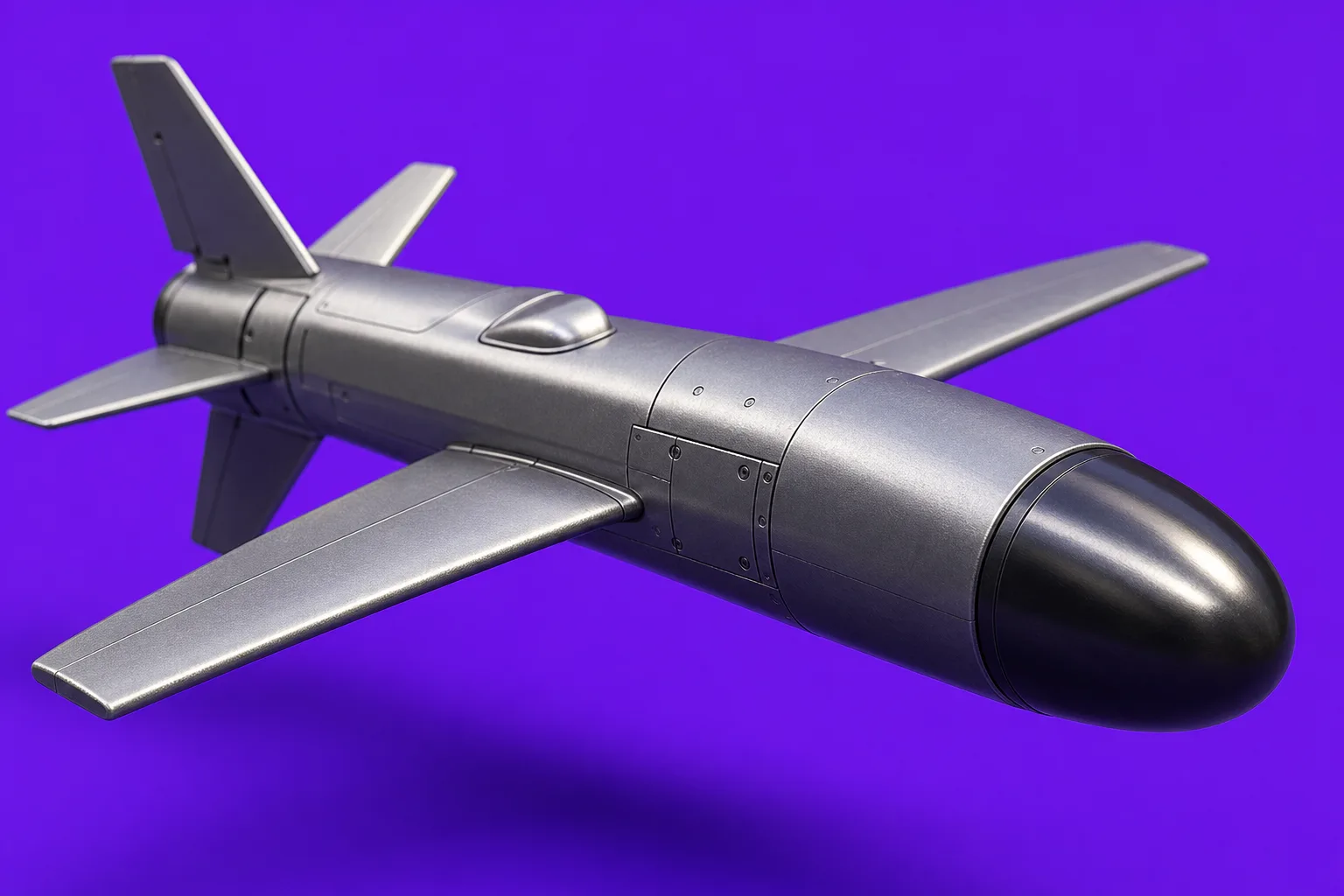
Neros Technologies has secured a $100 million Pentagon contract to deliver 14,000 one-way attack drones and explosive payloads under the Drone Dominance Program, marking a significant production-scale order in the fast-growing military drone market.
The award centers on the company’s Archer AI platform, a Category 1 first-person-view attack drone designed to continue missions in battlefield conditions where jamming of radio frequencies and GPS signals can disrupt conventional systems.
For investors tracking defense technology, the contract is notable not just for its size, but for what it signals: the U.S. military appears to be moving from experimentation toward stockpiling lower-cost autonomous weapons in meaningful volumes.
Key Facts
- Neros Technologies received a $100 million award under the Pentagon’s Drone Dominance Program.
- The contract covers 14,000 drones and associated explosive payloads.
- The procurement falls under Gauntlet II and prioritizes the Archer AI Category 1 FPV attack drone.
- Neros said it was the only manufacturer to place in the top three across both deep-strike and close-quarters battle missions with the same platform.
- Defense Secretary Pete Hegseth said Autonomous Warfare Command, or AutoWarCom, is expected to become operational in fall 2027.
Pentagon drone contract
The contract highlights a major shift in U.S. defense procurement toward scalable autonomous systems that can be produced quickly and deployed in large numbers. Rather than focusing exclusively on a small number of high-cost, exquisite platforms, the Pentagon is increasingly emphasizing attritable systems that can absorb battlefield losses while preserving mission effectiveness.
Neros’ Archer AI appears tailored to that doctrine. The company describes the platform as a modular one-way attack drone with an automated kill chain that allows the aircraft to travel to an operator-selected target even when electronic warfare pressure is intense. That capability matters because jamming has become central to modern combat, reducing the reliability of systems that depend heavily on uninterrupted communications links or satellite navigation.
The scale of the order also matters. A 14,000-unit procurement suggests that the military is thinking beyond pilot programs and limited testing lots. It points to a stockpiling strategy in which lower-cost drones are treated more like consumable battlefield inventory than boutique hardware. That has implications for suppliers across components, payloads, software, batteries, communications resilience and counter-drone defenses.
“The $100 million award for 14,000 drones suggests the Pentagon is shifting from drone trials to drone inventory.”
Why Archer AI and production speed matter
Neros has emphasized two factors behind the award: platform adaptability and manufacturing speed. The company said Archer AI was built to be highly modular, allowing changes based on mission requirements and user feedback. In defense procurement, modularity can be a competitive advantage because it shortens development cycles and broadens the range of missions a single airframe can support.
Production capacity may prove just as important as technical performance. Neros stated that it received multiple bonus awards in Gauntlet I based on delivery speed. In a procurement environment shaped by urgency, supply chain readiness and manufacturing throughput can determine which firms turn prototypes into recurring revenue.
Implications for Investors
For investors, the Neros contract reinforces a broader theme in defense: autonomous systems are moving closer to the center of procurement budgets. The expected launch of AutoWarCom in fall 2027 could accelerate purchasing across multiple drone categories, potentially benefiting not only prime drone manufacturers but also suppliers of sensors, power systems, navigation alternatives, autonomy software and hardened communications equipment.
The opportunity, however, comes with caveats. Private companies such as Neros may not offer direct public-market exposure, so investors may need to look at listed defense contractors, aerospace electronics firms and specialized suppliers that could benefit from similar spending patterns. Another consideration is margin pressure. Large-volume defense orders can drive revenue growth, but profitability may depend on production efficiency, contract structure and the cost of scaling manufacturing quickly.
Investors should also watch the counter-UAS side of the market. If the Pentagon is preparing to stockpile attack drones in volume, military installations and deployed forces will likely require expanded defenses against similar threats. That creates a parallel demand cycle for detection, jamming, interception and base-hardening technologies. In practical terms, the beneficiaries may extend well beyond a single drone maker.
The next key signals will be whether additional large-volume orders follow and how quickly Pentagon drone procurement broadens across mission types. If this contract is an early marker of a sustained rearmament cycle in autonomous warfare, defense technology valuations could increasingly hinge on production scale as much as innovation.