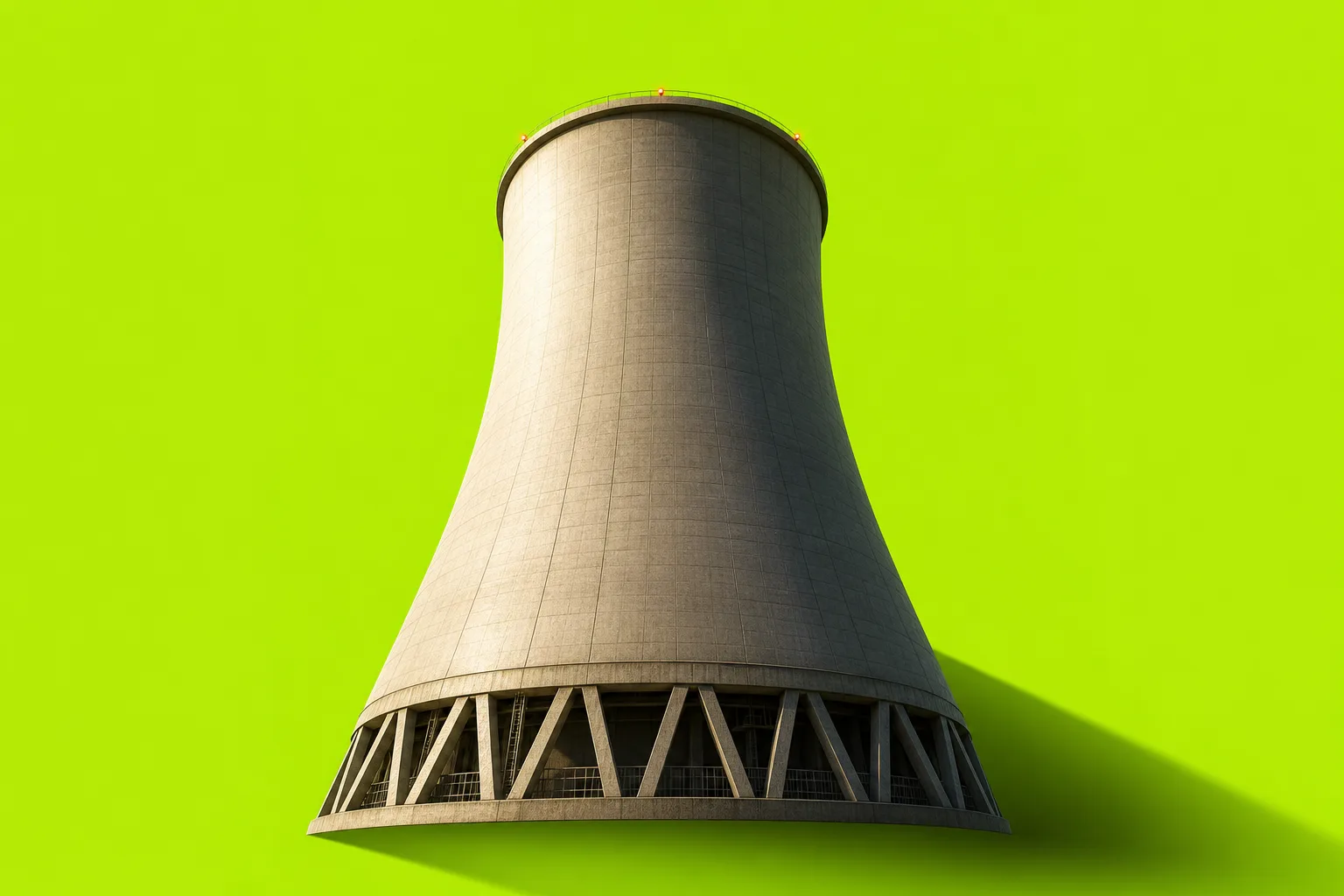
New York is moving back toward nuclear power, with Governor Kathy Hochul backing a plan for 5 gigawatts of new nuclear capacity after the shutdown of Indian Point left a major gap in always-available electricity supply.
The proposal marks one of the clearest shifts in the state’s energy strategy in years. After leaning heavily on wind, solar, and storage, Albany is now acknowledging that replacing multi-gigawatt baseload generation with intermittent resources has proven harder, slower, and more expensive than many planners expected.
For investors, utilities, and equipment suppliers, the New York nuclear power push opens a potentially significant long-cycle market tied to generation, transmission, public financing, and advanced reactor deployment.
Key Facts
- Governor Kathy Hochul wants 5 GW of new nuclear capacity in New York, including at least 1 GW to be developed by the New York Power Authority.
- Indian Point’s final reactor shut down five years ago, removing roughly 2 GW of nuclear generation from the downstate supply mix.
- Eight upstate communities have expressed interest in hosting new nuclear projects.
- New York’s grid operator warned in its 2026 Power Trends assessment about replacing more than 4 GW of near-constant nuclear output with less than 3 GW of intermittent renewables.
- A pending bill from Senator Kevin Parker would impose a 30-month pause on taxpayer and ratepayer support for new or restarted nuclear facilities.
New York Nuclear Power
The state’s renewed nuclear push is being driven by a practical problem: how to maintain reliability while pursuing decarbonization. Nuclear plants provide steady, emissions-light generation that can run around the clock, making them structurally different from wind and solar assets that depend on weather conditions and require backup, storage, or overbuilding to ensure consistent delivery.
That distinction matters more after the retirement of Indian Point, the roughly 2 GW facility whose closure increased dependence on fossil-fuel generation. State planners and market participants have spent years trying to fill the gap through renewable additions, transmission upgrades, and efficiency measures. But as demand expectations rise and project timelines stretch, the difficulty of replacing firm nuclear capacity with variable resources has become harder to ignore.
The likely technologies have not been formally selected, but the field of plausible options includes large conventional reactors such as the Westinghouse AP1000 and small modular designs such as the 300-megawatt BWRX-300 from GE Vernova Hitachi. The final technology choice will shape project economics, construction risk, supply-chain requirements, and the timetable for commercial operation.
New York’s energy debate has shifted from whether clean power is needed to whether the grid can function reliably without firm generation that runs when wind and solar do not.
Transmission and the Indian Point Contradiction
Even if New York succeeds in siting new reactors upstate, one of the core constraints remains transmission. Much of the state’s electricity demand sits downstate, while many of the communities interested in hosting nuclear facilities are farther north. That creates a familiar bottleneck: generating clean power is only part of the challenge; moving it to load centers is equally critical.
The policy contrast around Indian Point adds another layer of complexity. While state leaders support new upstate nuclear construction, they oppose restarting Indian Point, despite its location closer to downstate demand. A restart would require substantial rehabilitation and regulatory work, but examples elsewhere in the United States have shown that previously retired reactors can re-enter the conversation when reliability and capacity concerns intensify.
Implications for Investors
For investors, the New York nuclear power strategy has several potential beneficiaries. Utilities, engineering firms, nuclear technology developers, construction contractors, and transmission equipment providers could all gain if the state converts policy support into actual procurement and project approvals. Companies tied to reactor components, grid interconnection, and high-voltage transmission may also see opportunity if the state pairs new generation with major delivery upgrades.
At the same time, this is not a low-risk buildout story. Nuclear projects carry well-known execution risks, including permitting complexity, cost overruns, long lead times, and political reversals. The proposed 30-month pause on public financial support highlights how unsettled the policy environment still is. If lawmakers slow or condition nuclear spending, timelines could slip and developers may hesitate to commit capital before stronger revenue visibility emerges.
The shift also has implications for renewable developers. A larger role for nuclear does not necessarily displace wind, solar, or storage, but it could alter capital allocation and planning priorities. Opponents argue that large nuclear commitments may crowd out faster-to-deploy alternatives. Supporters counter that a grid built around decarbonization still needs firm, scalable supply to limit price volatility and reduce reliance on gas generation during periods of weak renewable output.
Investors should also watch the geographic politics. Several interested host communities are in Republican-leaning upstate counties, including Jefferson, Oswego, and Schuyler. That broadens the coalition for nuclear development, especially when projects promise construction jobs, industrial activity, local tax benefits, and long-term operating employment. But local support alone will not settle financing, waste policy, or transmission routing—three areas that have complicated nuclear development across multiple states.
Beyond New York, the broader U.S. pattern is increasingly clear: states want the reliability and carbon profile of nuclear generation, but debates intensify around who pays, where facilities are located, and who assumes long-term liabilities. Texas committed $350 million to advanced nuclear development in 2025 while maintaining opposition to certain spent-fuel storage proposals. New Mexico offered nearly $5 million in support tied to nuclear development and workforce expansion, yet spent-fuel politics there also proved contentious. New York now enters that same balancing act.
If Albany can align siting, financing, technology selection, and transmission planning, the state could lay the foundation for a more durable low-carbon grid. The next phase will show whether New York’s nuclear revival is a political signal or the start of a multi-decade infrastructure buildout.