US stock futures turned lower at the start of a crowded week for global markets, with investors focusing on Nvidia earnings, the Federal Reserve’s preferred inflation gauge, and Kevin Warsh’s upcoming speech at Jackson Hole. As of 8:00 a.m. ET, S&P 500 futures were down 0.2% and Nasdaq futures were off 0.4%, reflecting renewed pressure on technology shares.
The market’s immediate concern is whether the AI rally can absorb a fresh round of scrutiny. Nvidia is due to report on Wednesday, the same day as July personal income and spending data including the PCE price indexes, while Warsh is scheduled to speak on Friday. Together, those events could reset expectations for rates, valuations, and risk appetite.
Bond markets offered some support, with Treasury yields falling 2 to 4 basis points and the 10-year yield near 4.71%, but that relief did not fully offset weakness in semiconductors, memory stocks, and Asian technology shares. The result is a market entering a pivotal stretch with little margin for disappointment.
Key Facts
- S&P 500 futures fell 0.2% and Nasdaq futures declined 0.4% by 8:00 a.m. ET.
- South Korea’s Kospi slid 3.1%, while shares of SK Hynix lost more than 3% and Samsung dropped nearly 9%.
- Alibaba raised HK$80 billion, or $10.2 billion, in a Hong Kong follow-on share sale, sending its stock sharply lower.
- US 10-year Treasury yields eased to about 4.71%, while the 30-year yield held near 5.25%.
- Options markets are pricing a 4.6% post-earnings move for Nvidia after its Wednesday results.
Nvidia earnings
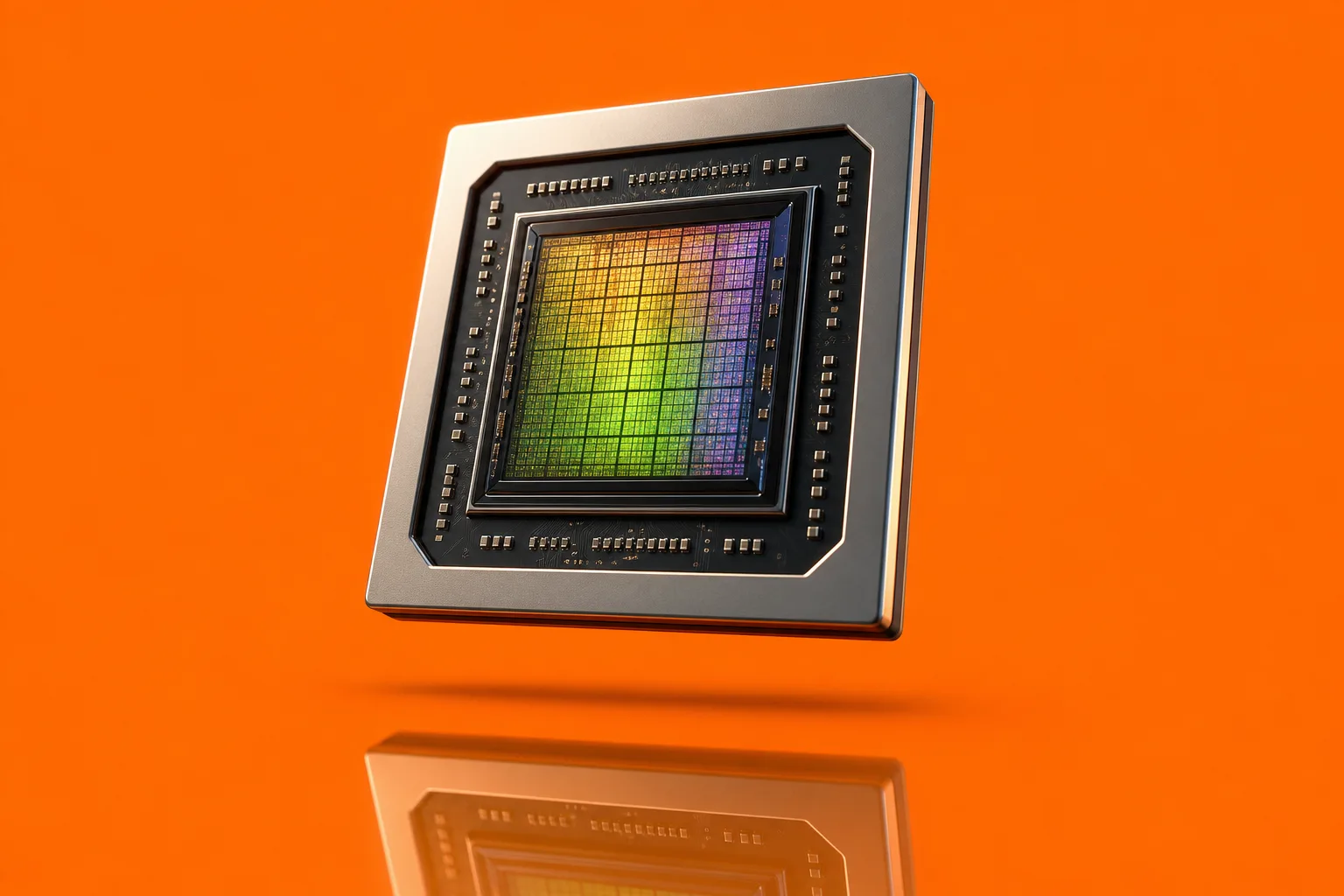
Nvidia earnings have become a macro event, not just a company update. The chipmaker sits at the center of the global AI buildout, and its results are now treated as a read-through for data center spending, semiconductor demand, cloud capital expenditure, and the durability of mega-cap technology leadership. With memory stocks already under pressure and server pricing reportedly set to rise, the report may carry implications well beyond one balance sheet.
That matters because the AI trade is being tested from multiple angles. Semiconductor names weakened in premarket trading, Asian technology stocks sold off, and investors are reassessing how much of the sector’s growth is already reflected in valuations. Reports that some AI servers containing Nvidia chips could see price increases of more than 15% on systems shipped early next year add a new wrinkle: AI remains a growth story, but it may also be contributing to cost inflation across the supply chain.
The broader backdrop is equally important. July PCE inflation data will shape rate expectations just as long-dated Treasury yields remain elevated by recent standards. Markets are also watching whether fiscal and geopolitical pressures, including tariff friction with Canada and US efforts to tighten economic pressure on Iran, complicate the inflation outlook. For investors, Nvidia’s results are landing in a market that is highly sensitive to both earnings quality and macro credibility.
In a week dominated by Nvidia, inflation data, and Jackson Hole, markets are looking for proof that the AI trade can still justify its valuation in a higher-rate world.
Why Jackson Hole matters this time
Kevin Warsh’s speech on Friday carries unusual weight because markets remain split on the near-term direction of monetary policy. Futures pricing has reflected uncertainty about whether the Fed may need to stay restrictive for longer if inflation remains sticky. With the 10-year yield near 4.71% and the 30-year around 5.25%, any shift in tone on inflation, financial conditions, or the Fed’s reaction function could move both equities and bonds.
Warsh is also speaking after renewed debate over Treasury market functioning and long-end yields. A report that the Treasury could potentially use the Treasury General Account, which stood near $935 billion, to help fund bond buybacks briefly improved sentiment. Even so, investors still want clarity on how policymakers view rising borrowing costs, persistent price pressures, and the interaction between fiscal policy and monetary policy.
Implications for Investors
The first implication is straightforward: volatility risk is high across asset classes. Nvidia’s report, July PCE, and Jackson Hole all arrive within a two-day span, creating the potential for rapid repricing in technology, rates, and the dollar. Investors with concentrated exposure to AI-linked equities should watch not only headline revenue and guidance, but also commentary on margins, pricing power, customer demand, and supply constraints.
Second, the market leadership debate is widening. Equal-weighted equities have recently shown better relative resilience than momentum-heavy positioning, while capital has also rotated toward gold, miners, and Bitcoin in response to inflation and currency concerns. Gold traded near $4,650 an ounce and Bitcoin moved above $78,000, underscoring demand for alternative stores of value while conventional risk assets face valuation pressure.
Third, cross-border policy risk is rising again. The breakdown in US-Canada trade talks led to a new 50% US tariff on roughly $20 billion of Canadian goods, with Canadian counter-tariffs set to begin on September 8. That development may affect industrials, autos, materials, and currency markets, particularly the Canadian dollar. Investors should also monitor commodity markets closely, as geopolitical risks tied to Iran and the Strait of Hormuz remain an active inflation channel.
The next several sessions could determine whether the recent pause in the AI trade is a healthy reset or the start of a broader revaluation. Strong execution from Nvidia, contained inflation in the PCE data, and a measured tone from Warsh would help stabilize sentiment; any miss on those fronts could extend the market’s shift toward caution.