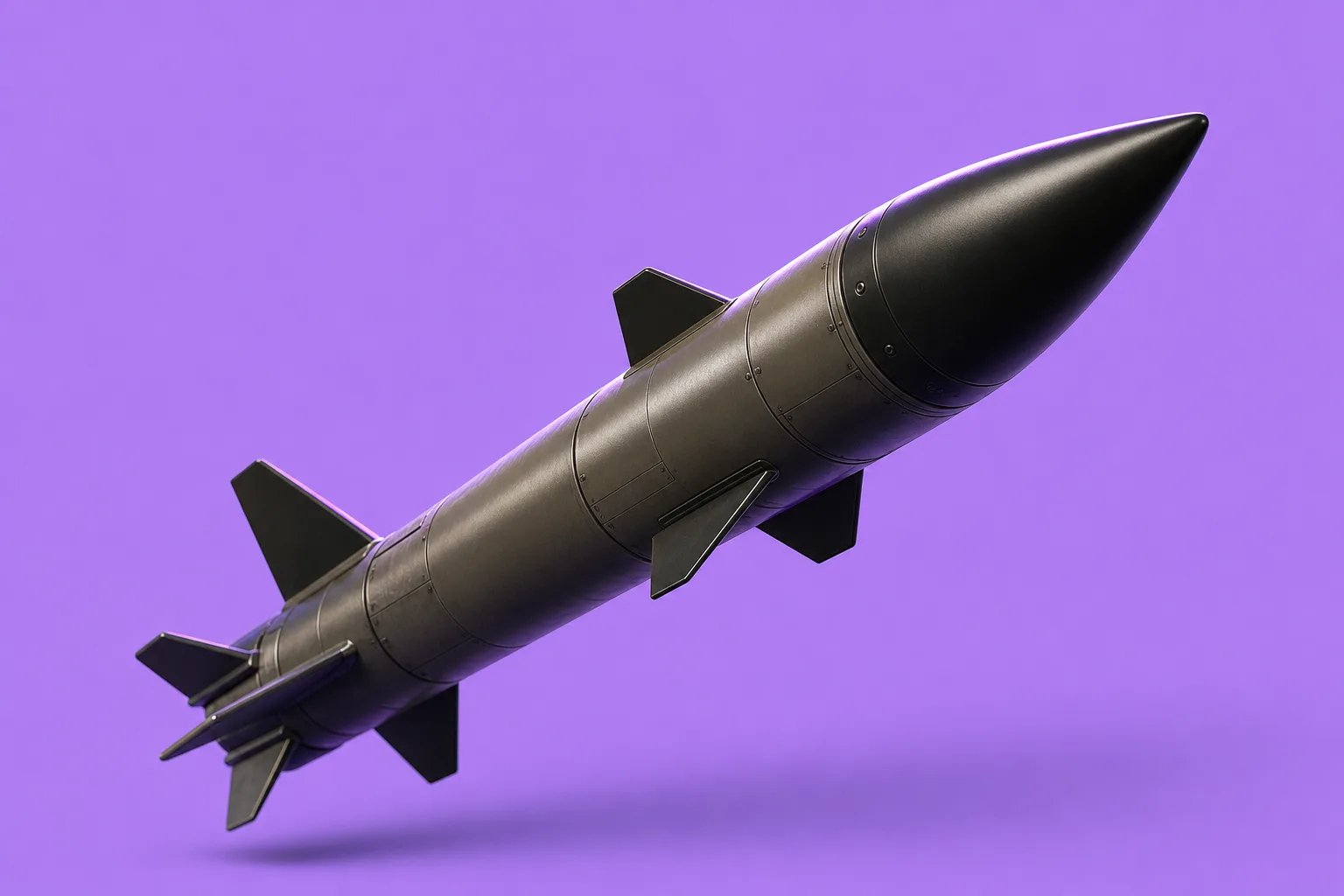
Saudi oil supply risk moved sharply higher after Yemen’s Houthis claimed a large missile and drone attack on King Khalid Air Base in southern Saudi Arabia, compounding pressure from the shutdown of the kingdom’s east-west pipeline.
The market impact was immediate. West Texas Intermediate rose to $102.94 a barrel and Brent reached $107.56, as traders weighed the prospect that Saudi export flows could tighten further if infrastructure disruptions persist for more than a few days.
The attack also landed at a moment of growing maritime instability. With the Red Sea corridor under pressure and traffic through the Strait of Hormuz still constrained, energy markets are confronting a broader geopolitical supply premium.
Key Facts
- Houthis said they launched dozens of ballistic missiles and drones at King Khalid Air Base in Khamis Mushait, targeting hangars, radars, runways and ammunition depots.
- Saudi Arabia’s east-west oil pipeline was shut after an attack on a pumping station, threatening an export route designed to bypass the Strait of Hormuz.
- Saudi traders warned that as much as 4% of global oil supply could be affected if the pipeline does not return to service within days.
- West Texas Intermediate climbed 2.89% to $102.94 a barrel, while Brent traded at $107.56 after the latest escalation.
- Vessels avoiding the Red Sea are increasingly rerouting around Africa’s Cape of Good Hope, adding at least 20 days to some voyages.
Saudi Oil Supply Risk
The immediate issue for investors is not only the reported strike on a military facility, but the concentration of risks around the systems that support Saudi energy exports. The Houthis presented the air base attack as retaliation for more than 300 Saudi airstrikes over the prior week. While the full extent of damage at King Khalid Air Base was not independently confirmed, the event underscored the widening range and confidence of cross-border attacks.
At the same time, the shutdown of the east-west pipeline is more directly material for oil balances. The line is a critical alternative route that moves crude to Yanbu on the Red Sea, allowing exports to bypass the Strait of Hormuz. If that route stays offline, Saudi Arabia becomes more exposed to congestion and political risk in two separate maritime chokepoints at once.
The wider conflict map has also shifted. Houthi forces were reported to have consolidated control over additional western Yemeni coastline and Perim Island near the Bab al-Mandab Strait. That matters because the Bab al-Mandab is one of the world’s most important shipping lanes, linking the Red Sea to the Gulf of Aden. Any perception that passage is less secure raises freight costs, insurance rates and delivery times, with knock-on effects for oil, refined products and container shipping.
With Saudi pipeline capacity impaired and shipping routes under pressure, the oil market is being forced to price geopolitical disruption rather than ordinary supply and demand.
Why the chokepoints matter
The current shock is larger than a single attack because it touches both land-based export infrastructure and sea lanes used by global trade. The Strait of Hormuz remains a vital artery for Gulf crude, while the Bab al-Mandab is essential for cargo moving between Europe and Asia. Pressure on either route can lift prices; pressure on both at the same time tends to amplify volatility.
Rerouting tankers and cargo vessels around the Cape of Good Hope materially changes shipping economics. Longer voyages tie up vessels for more days, reduce effective fleet availability and increase fuel and insurance costs. For refiners and commodity buyers, that can translate into tighter prompt supply even when headline global production has not yet fallen dramatically.
Implications for Investors
For energy investors, the key variable is duration. A short disruption to Saudi pipeline operations may keep prices elevated without causing a severe physical shortage. A repair timeline stretching into five or six weeks, however, would be more consequential, especially if low Saudi inventories leave limited room to sustain exports. In that scenario, crude benchmarks could remain above $100 for longer and time spreads may tighten as near-term barrels gain value.
Equity markets could see divergent effects. Upstream oil producers, oilfield service names and tanker companies may benefit from higher prices or freight rates. By contrast, airlines, chemicals producers, transport-intensive manufacturers and other fuel-sensitive sectors would face margin pressure. Import-dependent emerging markets may also come under renewed strain if higher crude prices feed inflation and weaken trade balances.
Investors should also watch policy responses. Any renewed diplomatic effort involving Gulf states and Iran could ease some of the risk premium if it improves shipping access through Hormuz. The postponement of a planned regional foreign ministers’ meeting removed, at least temporarily, a potential channel for de-escalation. Until there is more clarity on infrastructure repairs, export volumes and maritime security, headline risk is likely to remain high across oil, shipping and regional sovereign assets.
The next phase will hinge on whether Saudi Arabia can restore pipeline flows quickly and whether shipping conditions in the Red Sea and Strait of Hormuz stabilize. Until then, oil markets are likely to stay highly sensitive to military developments, repair updates and any sign of diplomatic movement.