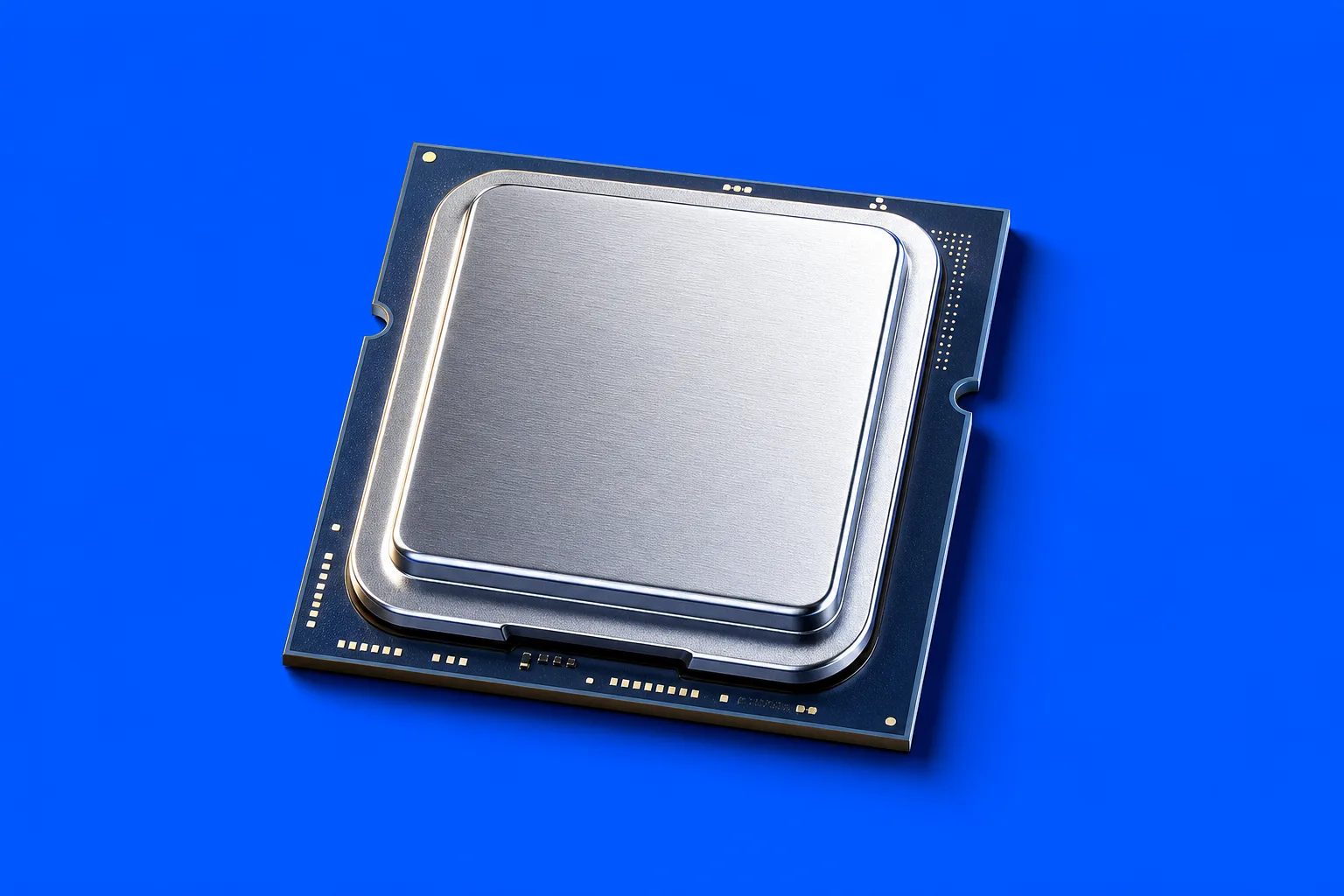
Semiconductor stocks rebound became the defining market theme on June 12, as Intel surged 10.3% and helped steady major U.S. indexes after a bruising selloff tied to inflation and geopolitical risk. The S&P 500 rose about 0.21% to 7,282 by midday, while the Nasdaq Composite gained 0.26% and the Dow Jones Industrial Average added 0.45%.
The recovery was narrow rather than broad. Chipmakers and related technology names did most of the lifting, while small-cap stocks remained under pressure and Oracle dropped sharply after its latest earnings report raised fresh concerns about the cost of the AI infrastructure race.
Investors were also weighing a difficult macro backdrop: May consumer inflation accelerated to 4.2% year over year, producer prices rose 1.1% month over month, and oil stayed elevated as U.S. military strikes inside Iran extended into a second day.
Key Facts
- Intel climbed 10.3% after being tied to a contract covering 3 million AI chips planned for deployment in 2028.
- The S&P 500 traded near 7,282 at midday on June 12, up 0.21%, while the Dow rose 0.45% to around 50,143 and the Nasdaq gained 0.26% to about 25,235.
- Oracle fell nearly 12% at the open after reporting fiscal fourth-quarter revenue of $19.18 billion and outlining plans to raise another $40 billion in debt and equity.
- May CPI reached 4.2% year over year, and May PPI rose 1.1% month over month and 6.5% from a year earlier.
- The Russell 2000 dropped 1.10%, underscoring continued pressure on smaller companies in a higher-rate environment.
Semiconductor Stocks Rebound
The market’s partial recovery was driven by a sharp turn higher in semiconductors after one of the sector’s most volatile stretches in years. Intel, Applied Materials and Arm Holdings all posted strong gains, signaling that investors were willing to revisit AI and chip exposure after a rapid repricing earlier in June.
That rebound matters because semiconductors have remained central to the broader technology trade. When the group weakens, it tends to drag on the Nasdaq and on sentiment around artificial intelligence spending. When it stabilizes, even temporarily, it can support large-cap indexes despite weakness elsewhere. On June 12, that exact pattern played out as gains in chip names offset losses in software and small caps.
Still, the advance did not erase the earlier damage. Major indexes remained below recent highs, and the market’s internal breadth was thin. The Russell 2000’s decline showed that investors were still avoiding rate-sensitive domestic names even as they selectively returned to large-cap tech leadership.
The market found support in chips, but the rebound remained narrow and fragile against hot inflation, high rates and geopolitical risk.
Why Intel and Oracle Moved in Opposite Directions
Intel’s rally was tied to a concrete manufacturing catalyst: a reported role in producing 3 million AI chips scheduled for deployment in 2028. For a company working to strengthen confidence in its foundry strategy, that kind of volume commitment carries outsized significance. It suggests potential external demand at a time when investors have questioned whether Intel can secure major advanced manufacturing customers.
Oracle’s decline reflected the other side of the AI trade. The company delivered quarterly earnings of $2.11 a share on $19.18 billion in revenue, both ahead of expectations, but cloud revenue of $9.91 billion missed the market’s target. More importantly, Oracle disclosed the scale of its spending and financing needs. Capital expenditures reached $55.7 billion for the fiscal year, free cash flow was negative $23.7 billion, and management indicated plans to raise another $40 billion, including a $20 billion share sale. For investors, the message was clear: AI growth may be real, but the cost of chasing it is becoming harder to ignore.
Implications for Investors
For investors, June 12 reinforced a key divide in the market. Large-cap technology and semiconductors continue to attract capital when investors believe AI demand can justify premium valuations. But other areas, especially small caps and rate-sensitive sectors, remain vulnerable as inflation stays above target and the prospect of easier monetary policy recedes.
The inflation backdrop is critical. A 4.2% annual CPI reading, combined with a 1.1% monthly increase in producer prices, supports the view that interest rates could stay elevated for longer. Treasury yields near 4.52% on the 10-year and a firm U.S. dollar reflect that stance. If inflation remains sticky, companies reliant on cheaper financing or domestic cyclical growth may continue to lag.
Energy prices are another watch point. West Texas Intermediate traded around $90.80 a barrel and Brent hovered near $93.09, keeping the focus on whether Middle East tensions spill into oil infrastructure or shipping routes. If crude rises further, inflation pressure could intensify and force another reset in rate expectations. If tensions ease and oil cools, the market could get some relief.
Within equities, the main portfolio question is whether the semiconductor bounce can broaden into a more durable recovery. Intel’s gain and strength in Applied Materials and Arm suggest investors still believe in the structural demand story behind AI chips and advanced manufacturing capacity. But Oracle’s selloff shows the market is becoming more selective, rewarding visible demand and punishing spending plans that appear too aggressive relative to near-term returns.
The next phase will likely depend on three factors: whether chip earnings and guidance confirm sustained AI demand, whether inflation data soften enough to reduce pressure on rate expectations, and whether geopolitical developments keep oil elevated. Until those variables become clearer, investors may see a market where index resilience depends on a narrow group of technology leaders rather than broad participation.
The June 12 rebound offered a reminder that semiconductor leadership can still stabilize the broader market. Whether that support becomes a lasting trend will depend on upcoming earnings, inflation readings and the path of oil in the weeks ahead.