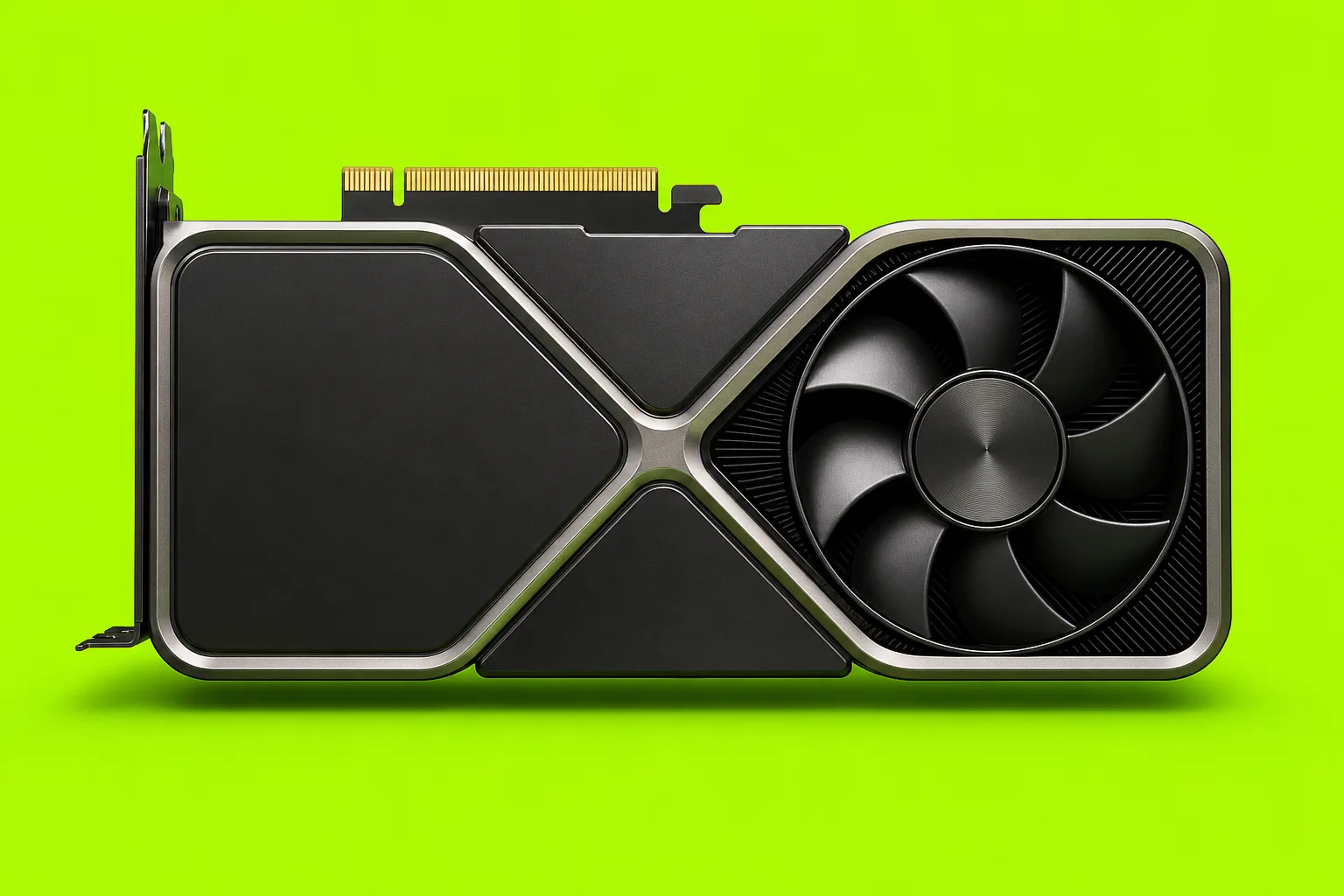
The S&P 500 surged to 7,517.64 by 10:28 a.m. Eastern on November 9, rising 140.78 points, or 1.91%, in a session defined by an unusual split: the broader market advanced hard while Nvidia dropped sharply.
The divergence was striking. Nvidia traded at $179.42, down 3.87%, wiping about $175 billion off its market value by mid-morning, yet the Nasdaq Composite still climbed 578.38 points to 25,157.80 and the Dow Jones Industrial Average added 853.31 points to 52,139.04.
For investors, the message was clear within the first hour: this was not a market retreat from risk. It was a rotation away from one dominant AI name and into a much wider group of technology, cyclical and small-cap stocks, helped by a steep decline in crude oil and a sharp pullback in volatility.
Key Facts
- The S&P 500 rose 1.91% to 7,517.64, while the Nasdaq Composite gained 2.35% to 25,157.80 and the Dow climbed 1.66% to 52,139.04.
- Nvidia fell 3.87% to $179.42 after opening at $171.62, leaving the company with a market value of about $4.337 trillion.
- Brent crude dropped 4.18% to $94.21 and West Texas Intermediate fell 3.56% to $87.60, easing inflation concerns across equities.
- The Cboe Volatility Index declined 17.58% to 21.14, signaling a rapid unwind of last week’s stress-driven hedging.
- AMD jumped 9.60% to $492.15, while Micron gained 5.91%, Alphabet rose 3.13% and Amazon added 4.13%.
S&P 500 Rally Around Nvidia
The November 9 advance stood out because it happened despite weakness in Nvidia, the largest stock in the market and one of the biggest drivers of index performance over the past several years. Nvidia shares came under pressure after its board opened an independent investigation into CEO Jensen Huang, creating a governance overhang that traders treated as company-specific rather than a verdict on AI demand more broadly.
That distinction mattered. Investors did not abandon the AI trade; they redistributed capital inside it. Chip peers, networking names, optical component makers, memory suppliers and cloud-linked stocks all moved higher. AMD was the clearest example, rallying nearly 10%, while other semiconductor and infrastructure names also posted outsized gains. The broad market breadth underscored the shift, with 563 gainers against just 34 losers.
Oil prices amplified the move. Brent crude fell below $95 after touching $92.96 earlier in the session, while WTI slid to $87.60. Lower energy prices tend to support consumer spending, reduce transport and industrial input costs, and ease headline inflation pressure. That combination encouraged buying in cyclicals, small caps and growth stocks recovering from the sharp selloff earlier in the week.
The market was not selling AI on November 9; it was selling concentration risk in Nvidia while buying almost everything around it.
Why the rotation was so powerful
The backdrop for the rally was unusually fragile. Just four days earlier, the S&P 500 had suffered its worst single-day decline since April 2025, and the Nasdaq had fallen into correction territory. By November 9, many investors were positioned defensively, volatility had spiked, and short exposure had risen. Once oil started falling and Nvidia’s opening plunge began to stabilize, short covering and underweight buying helped accelerate the rebound.
The session also revealed how much portfolio managers are reassessing single-name concentration. Nvidia remains central to AI infrastructure spending, but its governance risk arrived at the same time that Alphabet showcased new tensor processing units and AMD strengthened its own competitive narrative. That combination made it easier for investors to spread AI exposure across a broader basket rather than rely so heavily on one stock.
Implications for Investors
For portfolios, the November 9 action suggests that market leadership may be broadening, at least temporarily. A rally of nearly 2% in the S&P 500 while Nvidia is down close to 4% points to healthier participation under the surface. Small caps, cyclical stocks, industrial names and AI-adjacent suppliers all benefited, which may appeal to investors seeking less concentrated exposure than the mega-cap leaders have offered.
At the same time, the macro backdrop remains unsettled. Treasury yields did not fully confirm the oil-driven optimism, with the 10-year yield still near 4.87%. Markets are also digesting a stronger-than-expected October payrolls report, including a 0.4% monthly gain in average hourly earnings. That keeps the December Federal Reserve meeting in focus and limits how far valuation multiples can expand if inflation data disappoints.
The main watch-points are straightforward. First, investors should monitor whether Brent crude remains below $95, since a rebound in oil could quickly reverse some of the session’s inflation relief. Second, Nvidia’s governance issue could keep pressure on the stock and continue to reshape positioning across semiconductors. Third, the October consumer price index and upcoming AI-related earnings reports will determine whether this rebound becomes a durable recovery or remains a repair rally after a deep drawdown.
For now, the market is signaling resilience rather than resolution. If inflation cools and breadth remains strong, the rebound can extend; if yields rise again or oil snaps back, November 9 may be remembered as a powerful but incomplete recovery session.