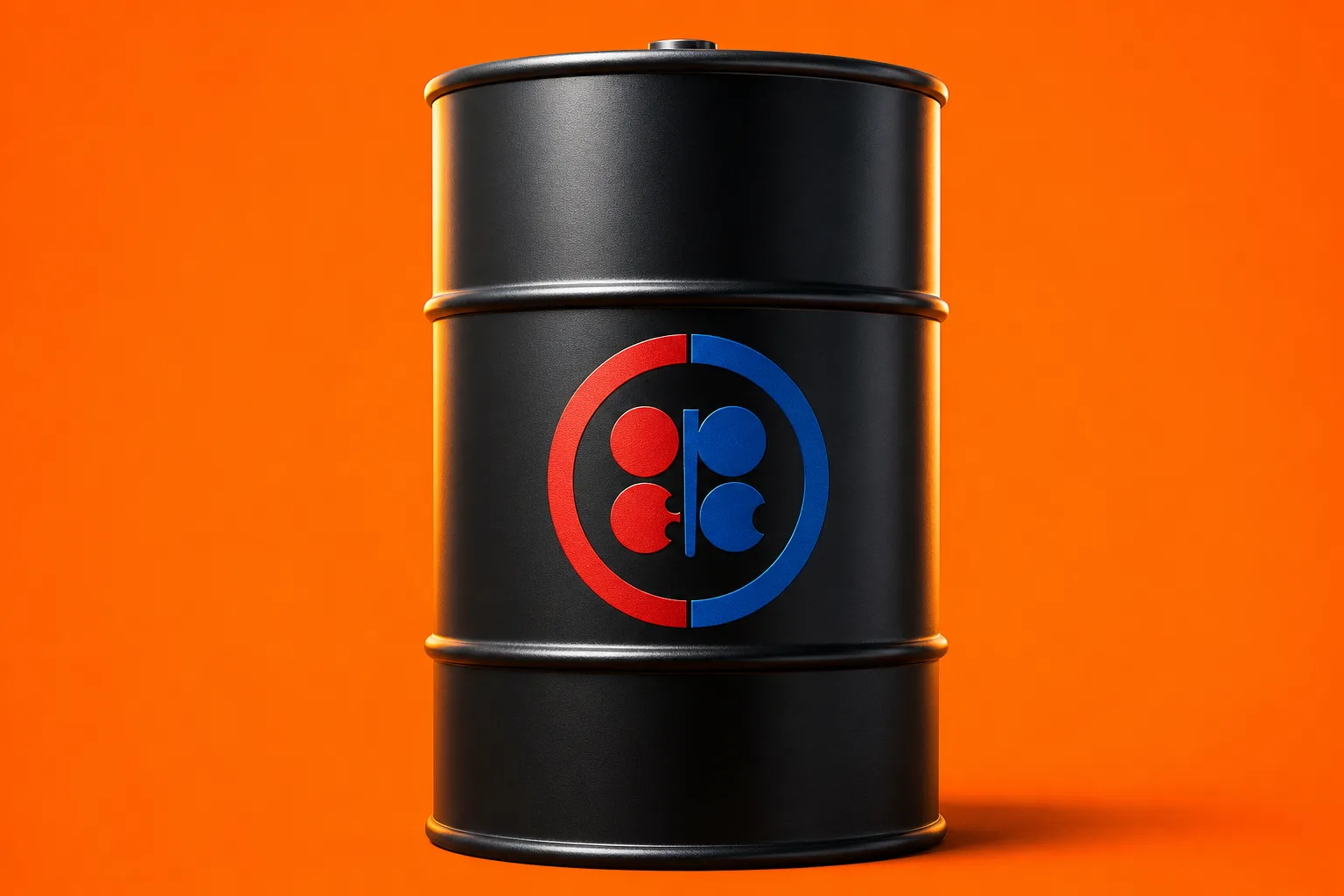
The S&P 500 advanced on May 22 as a sharp pullback in oil prices and a modest retreat in Treasury yields gave investors relief after three consecutive losing sessions. Brent crude fell 4% to $106.87, while WTI dropped 4.3% to $99.70, slipping back below the $100 mark.
That move mattered because energy prices had become a central pressure point for inflation expectations, interest-rate fears, and equity valuations. With crude falling and the 10-year Treasury yield easing to 4.607%, Wall Street rotated back into growth, small caps, and other rate-sensitive areas.
The rebound came just hours before Nvidia’s earnings release, a report with unusually high stakes for broader market sentiment given the company’s outsized contribution to index returns and AI-related capital spending expectations.
Key Facts
- The S&P 500 rose 52.20 points, or 0.71%, to 7,405.81, while the Nasdaq Composite gained 1.05% to 26,143.17.
- The Dow Jones Industrial Average added 318.57 points, or 0.65%, to 49,682.45, and the Russell 2000 climbed 1.85% to 2,797.79.
- Brent crude fell 4% to $106.87 and WTI dropped 4.3% to $99.70, the first move below $100 since the latest Middle East risk premium intensified.
- The 10-year Treasury yield declined 6 basis points to 4.607% after reaching 4.687% intraday earlier in the week, while the 30-year yield eased from a peak near 5.197%.
- Arm Holdings jumped 14.93% to $256.46, while Nvidia rose 1.84% ahead of earnings and the iShares Semiconductor ETF gained more than 2%.
S&P 500 and Nvidia Earnings
The market’s rebound was driven less by a fundamental resolution of macro risks and more by a temporary easing of the most damaging inputs. Lower crude prices reduce immediate inflation pressure, and even a modest drop in long-dated yields can support equity multiples, especially in technology and other duration-sensitive sectors. That combination helped reverse the negative feedback loop that had been building between bonds, commodities, and stocks.
The breadth of the move was notable. The Russell 2000 outperformed the large-cap benchmarks, signaling renewed appetite for domestic and rate-sensitive companies rather than a narrow rally concentrated only in AI leaders. Home-related names, logistics stocks, and smaller companies all participated, suggesting investors were willing to add risk when the bond market stabilized.
Still, Nvidia remained the session’s central event. With a market value of about $5.34 trillion and a major role in 2026 index returns and earnings growth, its quarterly results were poised to shape sentiment well beyond the semiconductor group. A strong report would reinforce confidence in the AI infrastructure spending cycle; any signs of slowing demand, margin pressure, or customer digestion could ripple across the entire market.
The day’s rally showed how quickly equities can recover when oil and yields both move in the right direction, but Nvidia remained the true test of whether risk appetite had durable support.
Why oil and yields moved markets so sharply
Oil had been carrying a significant geopolitical premium, and that premium was feeding directly into inflation fears. When crude suddenly dropped after signs of continuing tanker transit through the Strait of Hormuz, investors recalibrated the probability of an immediate energy shock. That repricing was enough to ease pressure on sectors that had been punished by higher input costs and tighter financial conditions.
Bond yields were equally important. The 30-year Treasury had touched levels not seen since 2007, and the market was increasingly concerned that rising yields would eventually force a broader equity de-rating. The retreat in yields on May 22 did not eliminate that risk, but it gave investors room to re-enter beaten-down trades before key catalysts, including Federal Reserve minutes and Nvidia’s results.
Implications for Investors
For investors, the session highlighted how sensitive the market remains to macro inputs rather than just company-specific fundamentals. Oil prices, Treasury yields, and Federal Reserve expectations are still driving asset allocation decisions across sectors. That means portfolio volatility could remain elevated even when individual earnings reports look solid.
The strongest opportunities may remain in areas where easing rates and sustained capital spending can work together. Semiconductors, AI infrastructure suppliers, and select industrial and power-related companies continued to attract capital, with names such as Arm, Astera Labs, Super Micro Computer, Marvell Technology, and Talen Energy benefiting from the same broad theme. At the same time, the reaction in retail showed that not every earnings beat is equal. Target fell despite topping estimates, while TJX rallied as investors favored discount exposure in a cost-conscious consumer environment.
Risk management remains essential. Fed rate expectations have shifted meaningfully, with markets pricing a 58% probability of a hike by December versus 40% only days earlier. If oil resumes climbing or yields retest recent highs, the rebound in small caps, housing-linked stocks, and lower-quality growth names could reverse quickly. Investors should also watch the VIX, which fell to 17.77 but still signaled an underlying demand for protection.
The next phase for equities will depend on whether falling oil and easing yields become a trend or prove to be only a brief pause. Nvidia’s earnings, upcoming Fed signals, and the path of crude prices are likely to determine whether the S&P 500 can build on this rebound or slip back into another valuation squeeze.