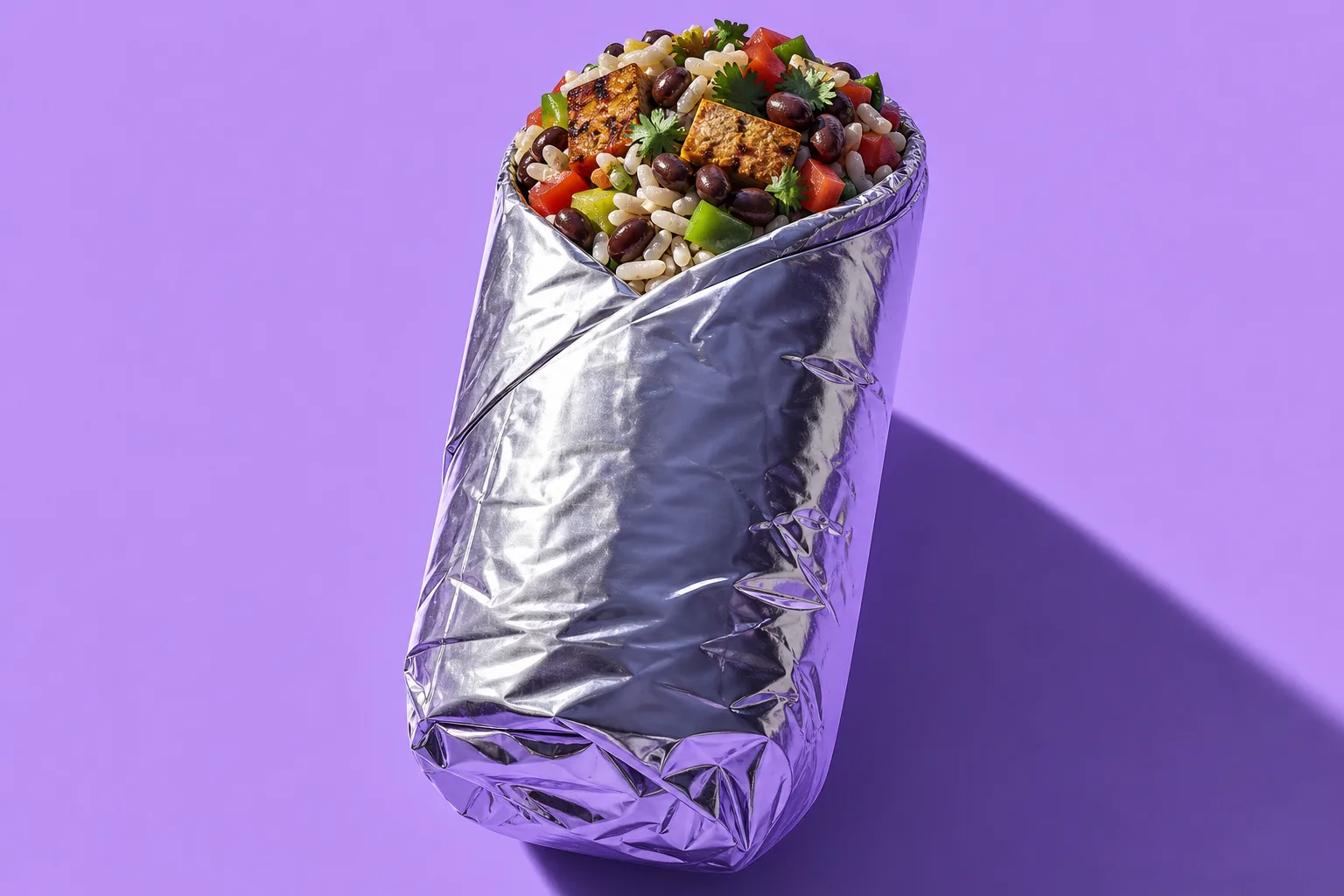
Starbucks moved quickly to shut down takeover speculation, stating it is not buying Chipotle and remains focused on its own operational turnaround. The denial erased momentum behind a rumored deal that would have ranked among the largest transactions ever attempted in the restaurant industry.
The market reaction was immediate. Chipotle shares fell 3% in early U.S. trading after the statement, while Starbucks gained about 1% as investors appeared relieved that management was not pursuing a highly leveraged acquisition.
The Starbucks-Chipotle rumor had drawn attention because of the scale involved and because Starbucks CEO Brian Niccol previously led Chipotle for six years. But once the financing math and strategic fit were examined, skepticism around a near-term deal intensified.
Key Facts
- Starbucks said it is not buying Chipotle and is focused on executing its “Back to Starbucks” turnaround strategy.
- Chipotle’s enterprise value was described at more than $40 billion, with a likely acquisition price estimated closer to $50 billion including a typical premium.
- Starbucks ended June with about $9.4 billion in net debt and a debt ratio of just over 2 times.
- Analyst estimates suggested a debt-funded purchase could push combined leverage to roughly 6 times, high for a publicly traded restaurant company.
- Following the denial, Chipotle shares dropped 3% in early U.S. trading, while Starbucks shares rose about 1%.
Starbucks Chipotle takeover rumor
The core issue was not just whether Starbucks could buy Chipotle, but whether it should. On paper, a combination of Starbucks and Chipotle would unite two major consumer brands with strong loyalty programs, broad U.S. footprints, and international expansion opportunities. In practice, the industrial logic appeared thin. Starbucks is centered on beverages, coffee sourcing, and convenience-led visits, while Chipotle operates a distinct made-to-order food model built around fresh ingredients and throughput at lunch and dinner.
Brian Niccol’s history with Chipotle added credibility to the speculation. His familiarity with the burrito chain naturally raised questions about whether Starbucks might consider a transformative deal under his leadership. Yet management’s response made clear that the current priority is internal execution, not large-scale M&A. That matters because Starbucks is already working through a turnaround that requires capital, managerial attention, and investor patience.
For Chipotle shareholders, the rumor briefly introduced the possibility of a takeover premium at a time when the stock had weakened materially since Niccol’s departure from the company. For Starbucks investors, the denial reduced concern that the company might stretch its balance sheet to pursue an expensive acquisition with uncertain synergies. In that sense, the market response reflected two different narratives: lost bid speculation for Chipotle and balance-sheet discipline for Starbucks.
“We are not buying Chipotle.”
Why the numbers made investors skeptical
Even before the denial, the transaction economics looked difficult. Estimates cited a potential purchase price near $50 billion, which would make the deal the largest restaurant acquisition on record. For Starbucks, which already carried roughly $9.4 billion in net debt at the end of June, taking on nearly $49 billion of additional debt would significantly alter its financial profile.
Analysts argued that a debt-heavy structure would likely be dilutive to 2027 earnings per share at interest rates above 4%, assuming limited cost savings and no major revenue synergies. A combined leverage ratio near 6 times would place the company at the upper end of risk tolerance in the restaurant sector. While an all-stock structure could be slightly accretive to earnings, it would still leave investors asking what strategic advantage justifies combining two brands with very different supply chains, dayparts, and customer missions.
Implications for Investors
For Starbucks shareholders, the clearest takeaway is that management appears unwilling to distract from the “Back to Starbucks” agenda with a headline-grabbing acquisition. That is likely a constructive signal for investors watching same-store sales trends, margin recovery, labor costs, and brand execution. The stock’s positive early reaction suggests the market prefers operational focus over transformational deal risk.
For Chipotle investors, the decline after the denial underscores how much takeover speculation had become embedded in the short-term share narrative. Without M&A support, the stock is likely to trade more directly on fundamentals such as traffic growth, menu pricing, restaurant openings, digital mix, and margins. The company still retains a strong brand and proven unit economics, but any premium tied to a strategic bid has now faded.
Across the restaurant sector, the episode is also a reminder that size alone does not create synergy. Shared loyalty ecosystems, technology savings, or international licensing opportunities can sound compelling, but investors increasingly demand hard evidence that mergers will improve earnings, cash flow, and returns on capital. In this case, projected general and administrative savings of roughly $300 million were not enough to offset concerns around valuation, leverage, and integration complexity.
Looking ahead, investors should watch Starbucks for evidence that its turnaround is gaining traction and monitor Chipotle for signs that standalone growth can reassert itself after the rumor-driven volatility. Unless strategic conditions change materially, the market is likely to refocus on execution rather than consolidation.