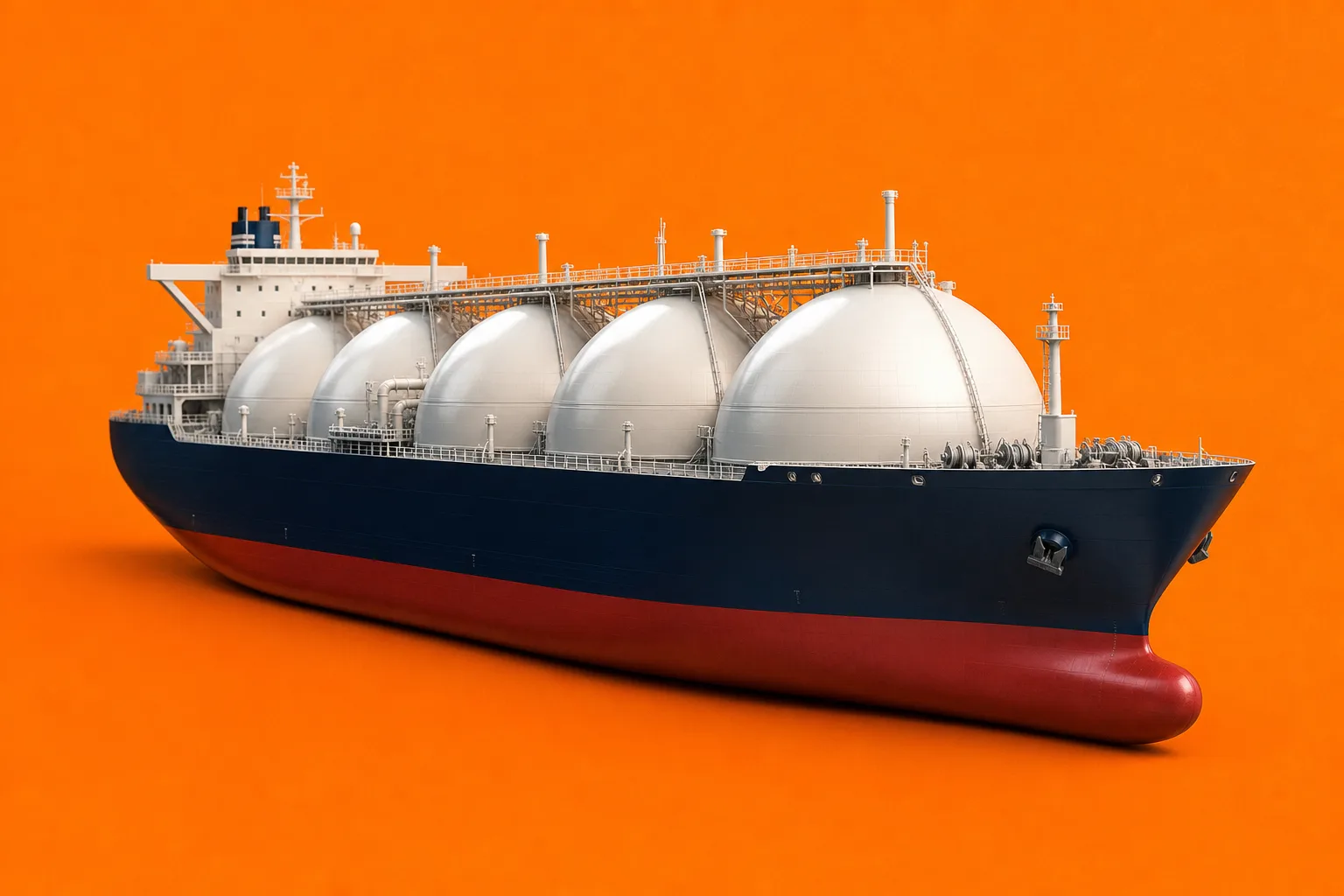
A liquefied natural gas tanker chartered by India’s Petronet has crossed the Strait of Hormuz after being delayed for more than three months, marking one of the clearest signs yet that energy flows through the chokepoint may be starting to normalize.
The vessel had loaded Qatari LNG at Ras Laffan in early March and then remained effectively stranded on the western side of the strait during a period of severe disruption. Its movement eastward now matters well beyond a single shipment: the Strait of Hormuz is one of the world’s most important arteries for oil and gas trade.
For LNG buyers in Asia, the transit is an early indicator that supply chains could become more reliable if regional tensions continue to ease. For investors, the key question is whether this is the first of many delayed cargoes to move, or only an isolated reopening.
Key Facts
- A Petronet-chartered LNG tanker loaded cargo at Qatar’s Ras Laffan terminal in early March 2026 before being delayed for over three months.
- The vessel has now crossed the Strait of Hormuz and is moving eastward out of the waterway.
- The cargo is expected to be delivered to the Dahej LNG terminal in India.
- The tanker’s movement followed a U.S.-Iran agreement that appears to have improved conditions for shipping through the region.
- The Strait of Hormuz remains a critical route for Gulf energy exports, including LNG from Qatar to Asian buyers.
Strait of Hormuz LNG Transit
The tanker’s passage is significant because the Strait of Hormuz is not just another shipping lane; it is a narrow maritime chokepoint through which a substantial share of global seaborne energy passes. Any disruption there can quickly ripple through LNG pricing, freight costs, insurance premiums, and energy security planning for major importers such as India, Japan, and South Korea.
In this case, the cargo’s long delay underscored how quickly geopolitical risk can tie up physical supply even when production at the export terminal is not the issue. Qatar remains one of the world’s most important LNG exporters, and India is a major buyer of gas for power generation, industrial use, and city gas distribution. A delayed shipment to Dahej therefore affects not only one importer, but also downstream consumers and procurement strategies across India’s gas market.
The immediate importance lies in what the move may signal. If more tankers that were waiting near the Gulf begin transiting in the coming days, traders may read that as confirmation that the waterway is becoming operational again for mainstream commercial shipping. If traffic remains limited, however, the market may treat this as a cautious exception rather than a durable reset.
One LNG tanker crossing the Strait of Hormuz is encouraging, but markets will judge the situation by whether regular commercial traffic follows.
Why this shipment matters for India and Qatar
India’s LNG demand profile makes reliable Gulf supply especially important. Petronet LNG is one of the country’s largest importers, and Dahej is among India’s key receiving terminals. When a cargo is delayed for months, buyers may need to draw on inventories, seek spot replacements, or adjust usage plans depending on domestic demand and price conditions.
For Qatar, the episode highlights the strategic value and vulnerability of its export position. The country has massive LNG capacity and long-standing commercial ties across Asia, but its shipments still depend on secure maritime access. Even a temporary de facto closure of Hormuz can alter cargo scheduling, tighten vessel availability, and raise concerns among counterparties over delivery certainty.
Implications for Investors
For investors in energy, shipping, and Asian utilities, the tanker’s transit is a constructive development but not yet a full all-clear signal. The most immediate market variable is whether shipping flows through Hormuz broaden over the next several sessions. A sustained reopening would likely ease some geopolitical premium embedded in LNG and crude benchmarks, while helping normalize tanker utilization and freight rates.
Indian energy names and gas-linked infrastructure operators could benefit if incoming LNG supply becomes more dependable and replacement cargo risk fades. Greater certainty around deliveries to terminals such as Dahej can support margin visibility for importers and downstream distributors. On the other hand, if vessel movement remains sporadic, buyers may still face elevated procurement costs and unpredictable scheduling.
Investors should also watch shipping insurers, tanker operators, and global LNG traders. Transit risk in Hormuz affects route economics, charter rates, and the willingness of shipowners to commit tonnage. Even if one Petronet cargo gets through, underwriters and operators will likely want evidence of repeated successful voyages before fully repricing risk. That means volatility in freight and energy markets could remain elevated despite the positive headline.
The next meaningful test is simple: whether additional LNG and oil cargoes begin moving through the strait without prolonged delays. If they do, the market may start to price in a steadier Gulf export environment; if not, caution will continue to dominate energy trading and portfolio positioning.