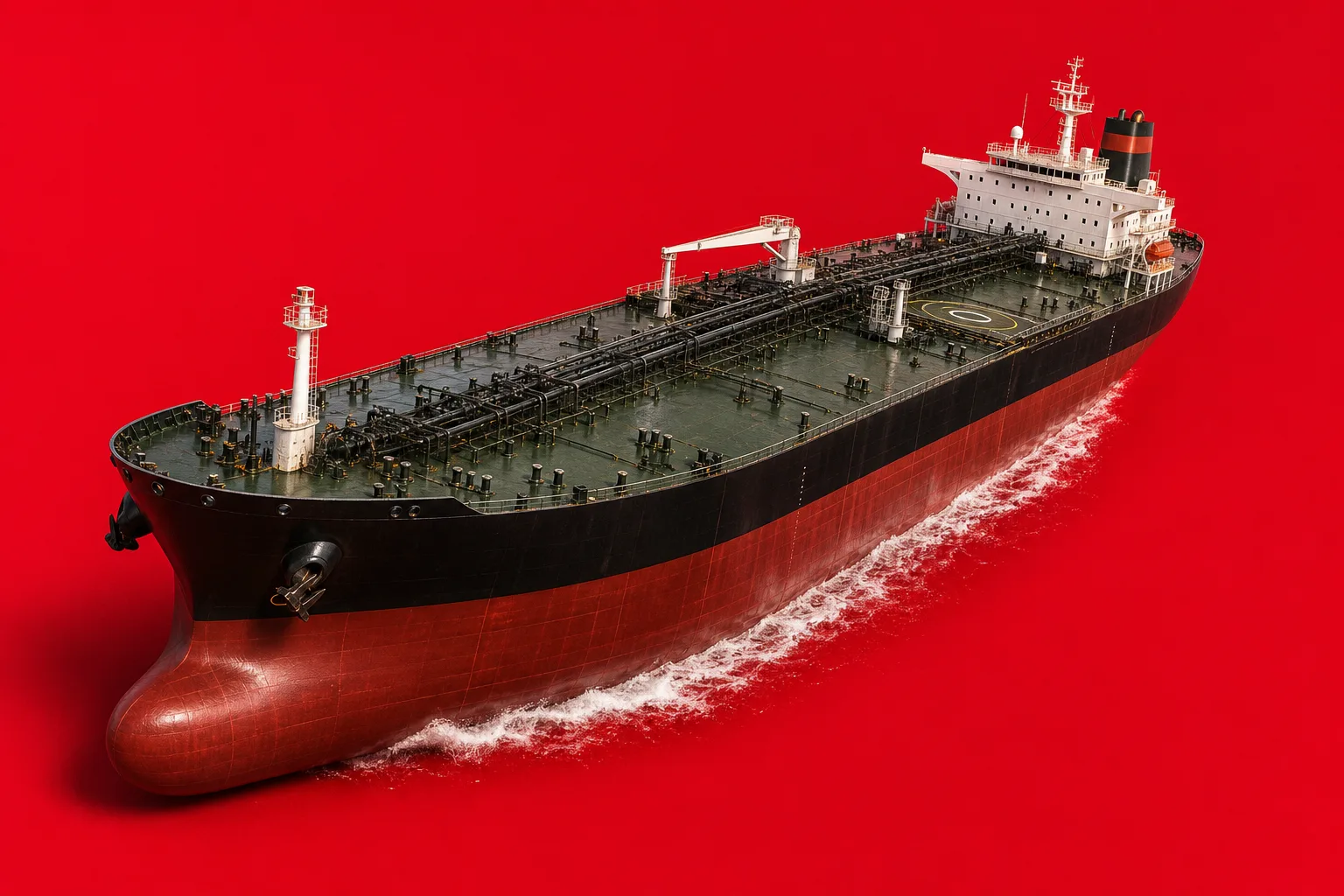
The U.S. military has tightened the schedule for air-defense support offered to commercial vessels transiting the Strait of Hormuz, shifting from broad daily windows to specific departure times. The adjustment highlights how security conditions in one of the world’s most important energy chokepoints are becoming more restrictive.
The Strait of Hormuz handles a critical share of global crude movements, with at least 20% of world oil exports passing through the waterway before the conflict escalated. For shipowners, refiners, insurers and investors, narrower protection windows raise fresh questions about energy logistics, freight costs and supply reliability.
The move also reflects a harder operating environment at sea, particularly during nighttime hours, when the threat profile has reportedly worsened. That matters far beyond the Gulf, because even temporary disruption in Hormuz can ripple quickly through oil prices, tanker rates and regional equity markets.
Key Facts
- Commercial vessels seeking U.S. air-defense support are now being directed to use two specific transit slots per day rather than a broader operating window.
- Before the conflict, at least 20% of global oil exports moved through the Strait of Hormuz.
- Oil exports from Gulf countries excluding Iran were estimated in August at roughly two-thirds of prewar levels.
- Operating advanced U.S. naval aircraft can cost an estimated $25,000 to $75,000 per hour.
- One example of the revised schedule instructed vessels to begin transit at a specified time such as 9:00 a.m. to receive support.
Strait of Hormuz Shipping
The immediate change is procedural but strategically significant. Shipowners that want U.S. air-defense coverage must coordinate with the Naval Cooperation and Guidance for Shipping center and follow designated routing instructions. What had been a wider daily transit opportunity was reduced around the start of September 2026 to narrower, recommended slots that vary by day.
The reason appears to be a combination of higher operational risk and resource management. Commercial shipping through Hormuz has faced repeated attacks, with nighttime passage viewed as especially vulnerable. By concentrating escorts and air cover into tighter windows, the U.S. can focus protection where it believes the risk-adjusted value is highest, while limiting the burden on expensive military assets.
The implications extend to a wide range of market participants. Tanker operators may need to accept more rigid scheduling, charterers could face higher demurrage and delay risk, and insurers may reprice exposure to Gulf routes. Energy consumers and importing nations are affected as well, because any reduction in transit flexibility can tighten effective supply even when headline production capacity remains unchanged.
“The Strait of Hormuz remains open, but access is becoming more controlled, more expensive and more exposed to geopolitical risk.”
Why timing now matters more
The operational emphasis on daylight transit suggests the security challenge is no longer only about whether ships can pass, but when they can pass with meaningful protection. In practical terms, that can create congestion, increase waiting times and complicate voyage planning across the tanker market.
There is also a broader regional dimension. Gulf exporters have already relied more heavily on pipelines to bypass Hormuz where possible, helping keep flows moving despite maritime disruption. But bypass infrastructure is limited, and not every barrel can be rerouted efficiently, leaving seaborne exports exposed to any further deterioration in security conditions.
Implications for Investors
For investors, the most direct read-through is in energy and transport pricing. If secure passage through Hormuz becomes more constrained, crude benchmarks could carry a larger geopolitical risk premium. Shipping stocks, tanker day rates and marine insurance costs may all respond quickly to further incidents, especially if transit delays begin to reduce available vessel capacity.
Energy equities could see divergent effects. Upstream producers may benefit from firmer oil prices, while refiners and fuel-intensive industries could face margin pressure if feedstock and freight costs rise together. Companies with export routes less dependent on Hormuz, or with access to alternative pipeline infrastructure, may be viewed more favorably than peers heavily exposed to the strait.
Investors should also watch diplomatic developments closely. Iran’s foreign ministry indicated that Gulf foreign ministers were due to meet in Oman on September 14, 2026, with safe transit arrangements among the issues under discussion. Any framework for temporary secure passage could ease immediate pressure on shipping markets, while failure to reduce tensions could reinforce volatility across oil, currencies and regional assets.
The next phase will hinge on whether tighter transit controls stabilize ship movements or signal a deeper deterioration in maritime security. For markets, Hormuz is no longer just a geopolitical headline; it is an active pricing factor for oil, freight and risk assets.