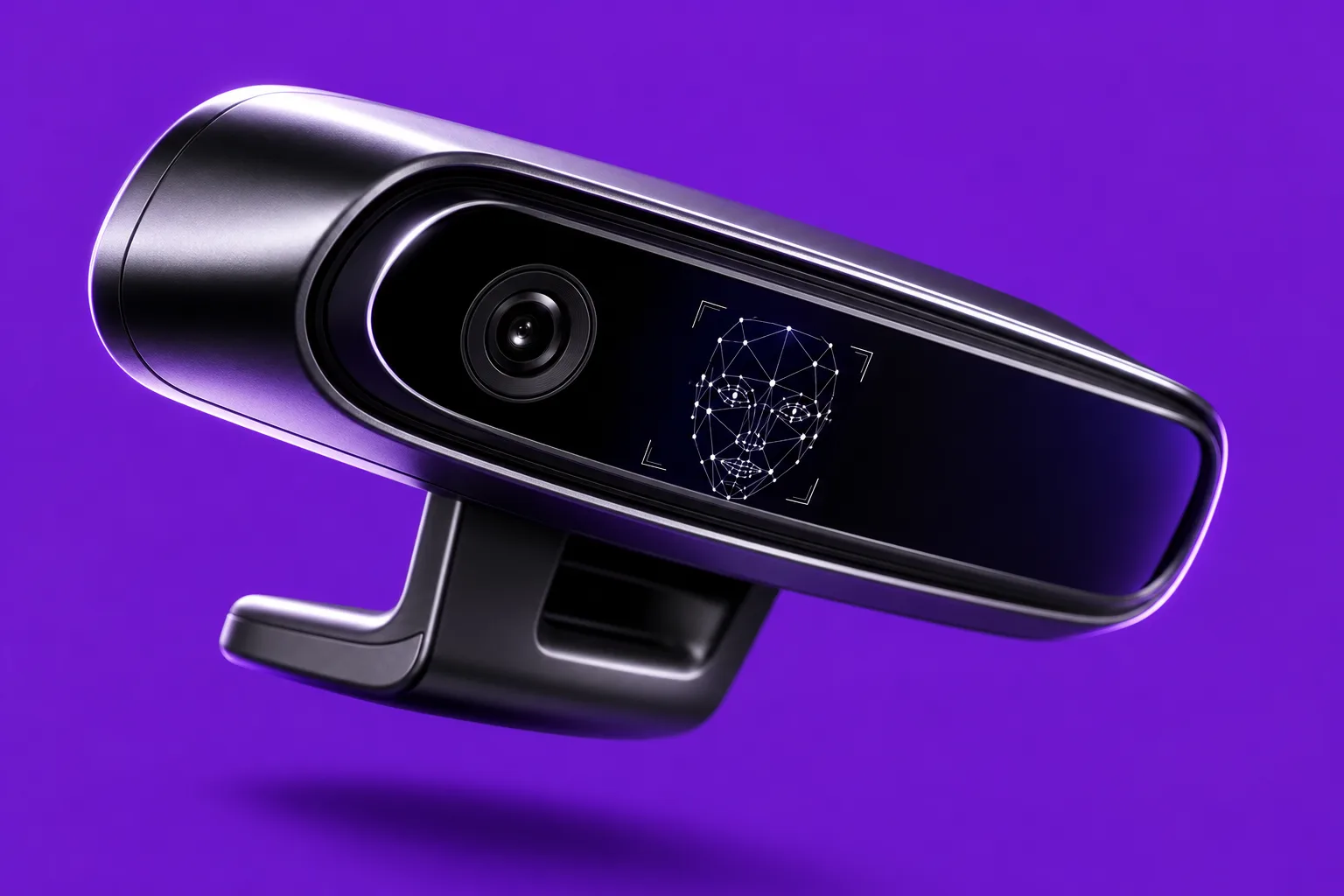
Tesla may be moving closer to a new access-control layer for Full Self-Driving, with app code pointing to identity verification before the feature can be activated. The most consequential detail is the appearance of strings tied to an FSD identity check failure, suggesting the cabin camera could be used to confirm an authorized driver profile.
The possible change surfaced in decompiled Tesla app version 4.58.5, which also references expanded FSD mileage tracking, streak-based usage metrics, transferable license validation and a new structure for temporary Autopilot and FSD upgrades. For investors, the update matters because it points to how Tesla could protect software revenue, reduce misuse and support a more flexible subscription model.
While none of the features are guaranteed until formally released, the direction is notable: Tesla appears to be building more infrastructure around software entitlement, driver authentication and monetization inside its vehicle ecosystem.
Key Facts
- Tesla app version 4.58.5 includes code strings such as fsdIdentityCheckFailedTitle and showFsdIdentityCheckFailedDialog.
- The update references new FSD usage metrics including fsdTotalMilesThisMonth, FsdLast7DaysUsage and fsdStreakDays.
- A trade-in workflow includes endpoints for validating whether an FSD license can be transferred before a vehicle exchange.
- Tesla appears to be separating permanent Autopilot ownership tiers from temporary trial or subscription-based overrides with expiration tracking.
- The app also adds support for Coastal Blue paint on the base Model Y Rear-Wheel Drive built at Giga Berlin for Europe.
Tesla FSD Identity Verification
The strongest signal in the code is that Tesla may require an identity check before enabling Full Self-Driving. If implemented as indicated, the vehicle’s cabin camera would compare the person in the driver’s seat with an authorized profile. A failed match could block FSD activation and trigger a warning in the app. That would represent a meaningful change in how drivers access one of Tesla’s highest-value software features.
The rationale is straightforward. FSD is increasingly central to Tesla’s software strategy, whether sold outright, transferred under limited programs or offered through subscriptions and trials. A driver-verification layer could help prevent unauthorized use, reduce account sharing and create clearer compliance controls for a feature that carries regulatory, safety and legal sensitivity. It could also support situations where vehicle ownership, account ownership and actual driver identity do not perfectly align.
Who is affected depends on how broadly Tesla deploys the system. Owners who share cars among family members may need to register multiple authorized profiles. Subscription users could face stricter verification before each session or after account changes. Fleet operators, service loaners and demo vehicles may benefit from more precise permissions, especially if Tesla is also building temporary override states for specific VINs and time windows.
Tesla appears to be turning Full Self-Driving into a more tightly controlled software product, where access depends not only on payment and hardware, but also on who is actually behind the wheel.
Why the broader app changes matter
The identity-check feature does not stand alone. The same app build points to a larger overhaul in Tesla’s FSD and Autopilot software stack. Permanent ownership tiers appear to be linked to the vehicle itself, while temporary upgrades can sit on top as trials, subscriptions or time-limited activations. The addition of an expiration field suggests Tesla wants more precise lifecycle management for software access.
That architecture is important because it gives Tesla a cleaner way to monetize autonomy features over time. Instead of relying only on one-time purchases, the company can manage recurring plans, promotional trials and service-related upgrades with fewer operational frictions. The code tied to trade-in FSD transfer validation also suggests Tesla is trying to formalize how software value moves through the used-vehicle channel.
There is also a behavioral element. The app references FSD streak days and more granular mileage telemetry, implying Tesla could encourage repeat use and collect richer data on adoption patterns. Gamification may look minor on the surface, but it can increase engagement, support retention and provide clearer signals about how customers interact with advanced driver-assistance software.
Implications for Investors
For investors, the biggest takeaway is that Tesla may be strengthening the operating system around high-margin software revenue. FSD has long been part of the company’s valuation narrative, but scaling that opportunity requires more than just feature improvements. It also requires billing controls, identity management, transfer rules and enforcement mechanisms. A cabin-camera identity check would fit directly into that framework.
There are potential positives and risks. On the positive side, tighter verification could reduce unauthorized usage, protect subscription economics and improve confidence that premium features are being accessed under the right account. It may also help Tesla address questions around accountability if driver-assistance functions are misused. On the risk side, biometric-style verification could raise privacy concerns, add user friction and trigger scrutiny in regions with stricter data-protection rules.
Investors should also watch what these changes imply for Tesla’s competitive position. Connected vehicles are increasingly becoming software platforms, and Tesla has an advantage when it can update cars, billing logic and user permissions over the air. If the company executes well, that can deepen recurring revenue and make its ecosystem harder to replicate. But if customer reaction to added verification is negative, the same move could slow adoption of premium driver-assistance services.
Other code changes in the app reinforce the ecosystem thesis. Searchable in-app tutorials can lower support costs and improve feature discovery. Deep linking from external apps into Tesla’s navigation interface could keep users inside Tesla’s software environment longer. Ownership quality-assurance workflows may streamline service handoffs, lease returns and other high-friction events that affect retention and resale value.
The next step is whether Tesla activates these capabilities in production and explains how identity checks would work in practice. If the feature launches, investors will want to monitor opt-in requirements, regional rollout, impact on FSD subscription uptake and any signs that software revenue per vehicle is improving.