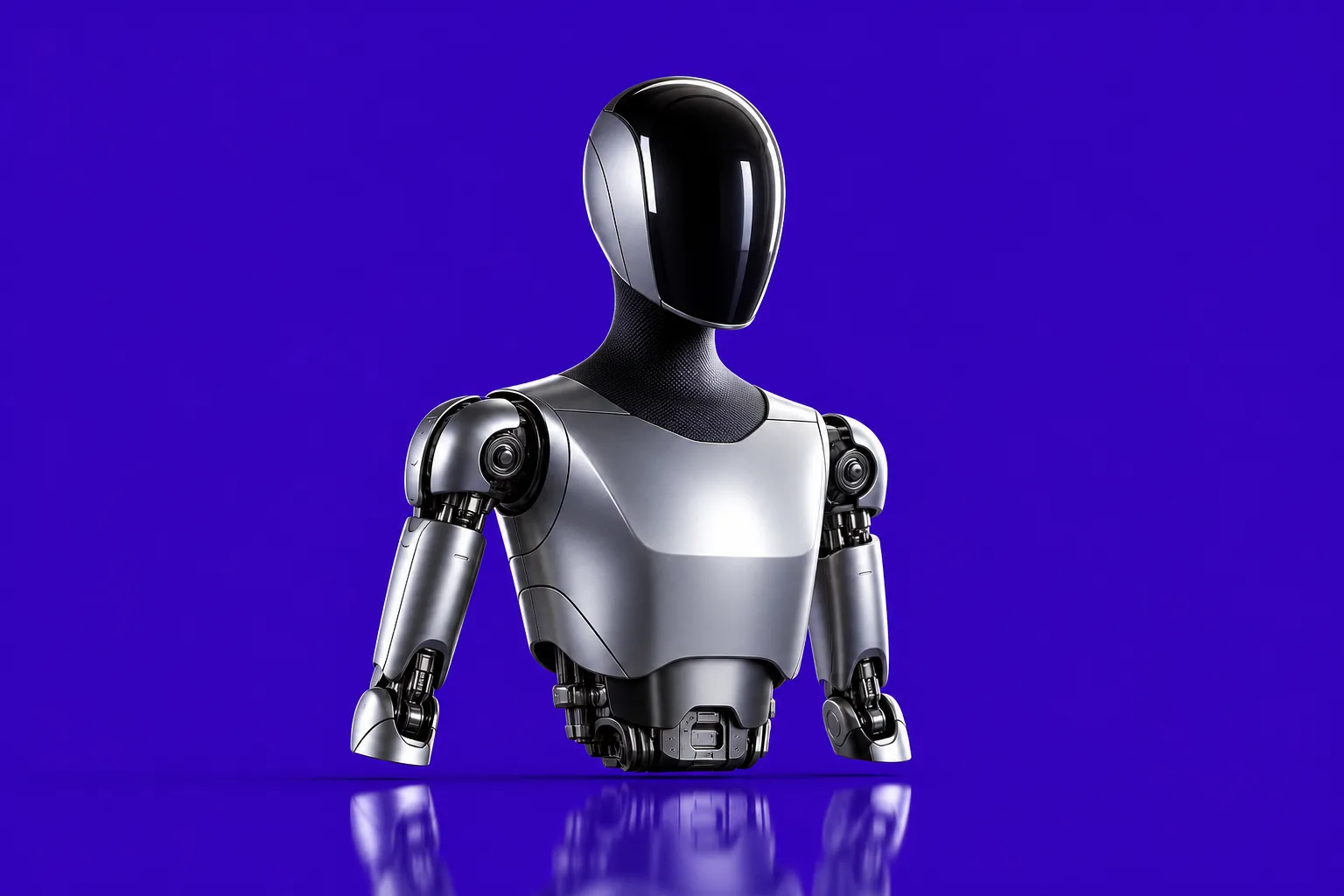
Tesla Optimus moved a step closer to commercialization after engineers reportedly visited suppliers in Ningbo, China, to inspect factories producing robotics parts and components. The supplier audit is a meaningful signal because it suggests Tesla is moving beyond prototype development and deeper into industrial sourcing for humanoid robots.
The timing matters. Tesla is reportedly targeting commercial sales of Optimus in the second half of 2027, while preparatory production and training activity could begin earlier. For investors, the key question is whether these supplier checks lead to formal nominations, higher component orders and repeatable manufacturing at scale.
The development also arrives as market expectations for humanoid robotics continue to expand sharply, with industry forecasts pointing to much faster adoption than many earlier models implied.
Key Facts
- Tesla engineers reportedly inspected Optimus-related component suppliers in Ningbo, a manufacturing hub in Zhejiang province.
- Tesla is said to be targeting the second half of 2027 for commercial sales of the Optimus humanoid robot.
- JPMorgan analysts previously described a targeted four-month transition following the end of Model S and Model X production in May toward humanoid production lines.
- The Solactive China Humanoid Robotics Index rose about 1.4% on the development, though it remained down roughly 30% for the year.
- One recent industry forecast lifted its global humanoid delivery base case to 75,000 units in 2026, 890,000 in 2030 and 6.5 million in 2035.
Tesla Optimus supplier audits
Tesla’s reported supplier audits in China suggest the Optimus program is entering a more operational phase. Factory inspections are typically associated with qualification work: checking production processes, quality systems, capacity, cost controls and the ability to deliver parts consistently. In other words, this is the type of work that turns a high-profile concept into a manufacturable product.
That matters because humanoid robots are not just another software product. They require dependable electromechanical supply chains, including actuators, sensors, precision components, power systems and control hardware. China’s manufacturing ecosystem is especially relevant here because it offers dense supplier networks, scale advantages and deep experience in industrial hardware.
The move also has implications beyond Tesla. If Optimus transitions from internal testing to more structured sourcing, it could support sentiment across the broader humanoid robotics supply chain. Component makers, automation specialists and contract manufacturers with relevant capabilities may benefit if Tesla begins placing larger-volume orders or formalizes supplier lists.
Supplier audits are one of the clearest signs that a robotics program is shifting from ambition to execution.
Why Ningbo and why now?
Ningbo is a logical location for this kind of review. The city sits inside one of China’s most important industrial corridors and is closely tied to export logistics, advanced manufacturing and precision component production. For a company trying to industrialize a humanoid robot, proximity to capable suppliers can shorten development cycles and improve procurement flexibility.
The timing is equally important. Tesla has been signaling increased urgency around humanoids, and earlier commentary pointed to an “Optimus Academy” operating later in 2026 to gather real-world training data before broader factory deployment. That suggests Tesla is working on both sides of the commercialization equation at once: physical hardware sourcing and software learning in live environments.
Implications for Investors
For Tesla investors, the immediate takeaway is that Optimus is increasingly becoming a program with visible supply-chain milestones rather than a distant concept. The investment case, however, still depends on execution. Supplier audits are encouraging, but they do not guarantee smooth production ramps, acceptable unit economics or commercial demand at scale.
Investors should watch three indicators closely. First, evidence of supplier nominations or purchase commitments would show Tesla is locking in its bill of materials. Second, updates on internal factory deployment would reveal whether Optimus can create value before outside sales begin. Third, disclosures around training progress, reliability and cost per unit will be essential to judging whether the robot can move from demonstration to profitable product.
There is also a broader thematic angle. Forecasts for the humanoid market have become much more aggressive, with projected deliveries rising steeply from 2026 through 2035. If those assumptions prove even partly correct, the winners may extend well beyond robot assemblers to include semiconductor companies, motion-control providers, battery suppliers and precision manufacturing firms. At the same time, the sector remains highly speculative, and valuation risk is significant when expectations run ahead of production evidence.
For China-linked robotics names, the reported inspections may help stabilize sentiment after a volatile year. The 1.4% gain in the Solactive China Humanoid Robotics Index shows investors are responsive to commercialization signals, but the index’s roughly 30% year-to-date decline also highlights how fragile enthusiasm can be when timelines slip or orders fail to materialize.
The next phase for Tesla Optimus will likely be defined by concrete industrial milestones rather than promotional headlines. If supplier checks turn into formal sourcing decisions and early deployments generate usable training data, 2027 could begin to look less like a distant target and more like an achievable launch window.