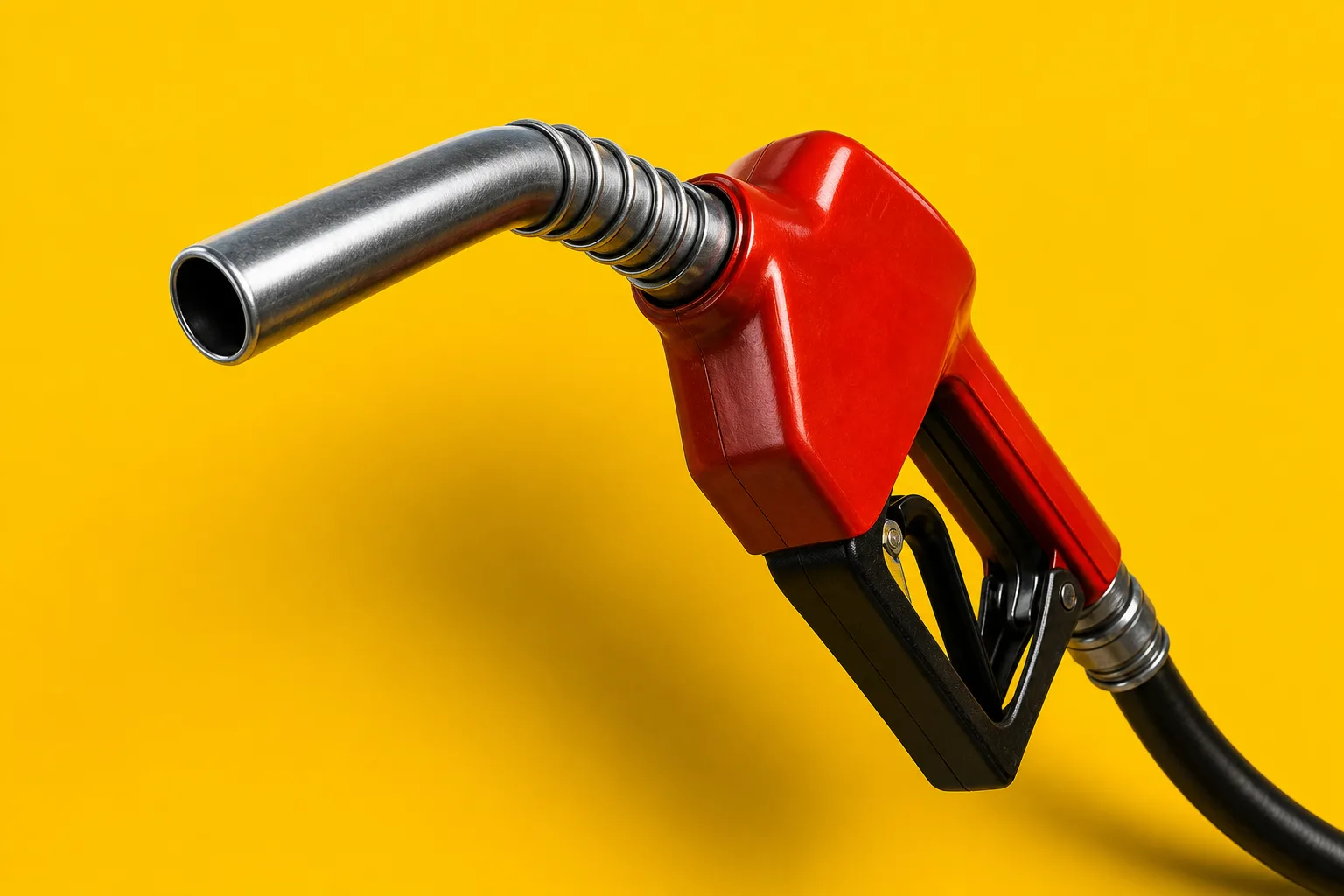
President Donald Trump has escalated pressure on gasoline retailers, calling for immediate cuts in pump prices as U.S. crude trades near $68 a barrel. He urged stations to aim for roughly $2.50 per gallon and warned of “big problems” if lower oil costs are not passed through to consumers.
The intervention comes at a sensitive moment for energy markets. National average gasoline prices have been falling for weeks, but the pace of decline has lagged the sharp drop in crude after the June 17 U.S.-Iran ceasefire memorandum reopened the Strait of Hormuz to shipping and eased supply fears.
For investors, the dispute highlights a familiar tension in the energy chain: crude can move quickly, but retail fuel pricing typically adjusts more slowly because of refining margins, transportation costs, taxes, and local competition.
Key Facts
- Trump said gasoline retailers should start targeting around $2.50 per gallon while crude trades near $68 a barrel.
- The national average price for regular gasoline stood at $3.91 per gallon on June 29, marking a fifth consecutive weekly decline.
- U.S. drivers were paying about $4.51 per gallon roughly one month earlier, meaning average prices have fallen by more than 50 cents.
- Brent crude had peaked above $126 per barrel during the Middle East supply shock, while WTI approached $120 before retreating.
- Economists and analysts now forecast Brent to average $84.50 in 2026 and WTI $79.49, both lower than prior projections.
Gasoline Prices
Trump’s comments center on the gap between wholesale oil prices and what consumers still see at the pump. He argued that gasoline remains too expensive relative to the recent drop in crude and suggested some retailers may be engaging in price gouging. He also indicated that the Department of Justice had been directed to examine whether retailers and oil companies were slow-walking price reductions after crude fell sharply.
The issue matters because gasoline is one of the most visible prices in the U.S. economy. A move of even a few cents per gallon affects household budgets, consumer sentiment, and inflation expectations. Political pressure tends to intensify when crude drops quickly but retail prices fail to respond in parallel. That disconnect can reshape expectations for refiners, fuel distributors, convenience-store operators, and integrated oil companies.
California received special attention in Trump’s remarks, with state gasoline taxes singled out as a major driver of elevated retail prices. That focus underscores a broader reality for investors: pump prices do not reflect crude alone. Taxes, environmental fuel specifications, regional supply constraints, and refinery outages often explain why drivers in one state pay materially more than those in another even when benchmark oil prices are falling.
Lower crude prices may ease pressure on consumers, but the path from oil futures to the gas pump is neither immediate nor uniform.
Why pump prices do not fall in lockstep with crude
Retail gasoline pricing is built on several layers beyond the cost of crude. Refiners buy feedstock, process it into fuels, and sell into wholesale markets that then feed transportation networks, storage terminals, and local stations. Each link in that chain has its own timing, inventory cycle, and margin structure. As a result, fuel bought at a station in late June may still reflect earlier input costs incurred when oil was significantly higher.
Executives across the energy industry have repeatedly pointed to this lag effect. Lower crude should eventually bring relief, but the adjustment depends on how quickly refiners, distributors, and retailers cycle through existing inventories. Summer travel demand can also delay the pass-through, especially around the Independence Day holiday, when fuel consumption typically rises and supports stronger retail pricing.
The latest market backdrop helps explain the mixed signals. Global oil prices fell after the June 17 ceasefire understanding reduced fears of a prolonged disruption in the Persian Gulf. However, some commodity strategists still warn that inventories have tightened since the conflict began, leaving the market vulnerable if supply recovery proves slower or less durable than expected. In that scenario, crude could rebound before the full benefit of the recent decline reaches consumers.
Implications for Investors
For equity investors, the key question is where margin pressure may land. If political scrutiny intensifies, gasoline retailers and convenience-store chains could face tougher pricing optics, even if their actual fuel margins are shaped by regional competition and operating costs. Refiners may also be watched closely, since refining spreads often determine whether crude declines translate into meaningful savings at the pump.
For the broader energy sector, lower oil prices can cut revenue expectations for upstream producers while potentially helping demand-sensitive parts of the economy. Airlines, trucking companies, delivery operators, and some consumer-facing businesses typically benefit when fuel costs moderate. At the same time, if crude stabilizes well below the war-driven highs above $120, analysts may continue trimming earnings assumptions for exploration and production companies tied closely to benchmark prices.
Macro investors should also monitor the inflation angle. Gasoline is a high-frequency consumer expense and can quickly influence sentiment. A sustained move lower from the June 29 national average of $3.91 could support discretionary spending and soften near-term inflation pressure. But if geopolitical risks flare again or refinery bottlenecks persist, the hoped-for drop toward Trump’s $2.50 target may remain out of reach in many regions.
The next few weeks will test whether falling crude can deliver faster relief at the pump during peak summer driving season. Investors should watch retail gasoline averages, refining margins, California tax policy debates, and any formal enforcement action that could alter pricing behavior across the fuel market.