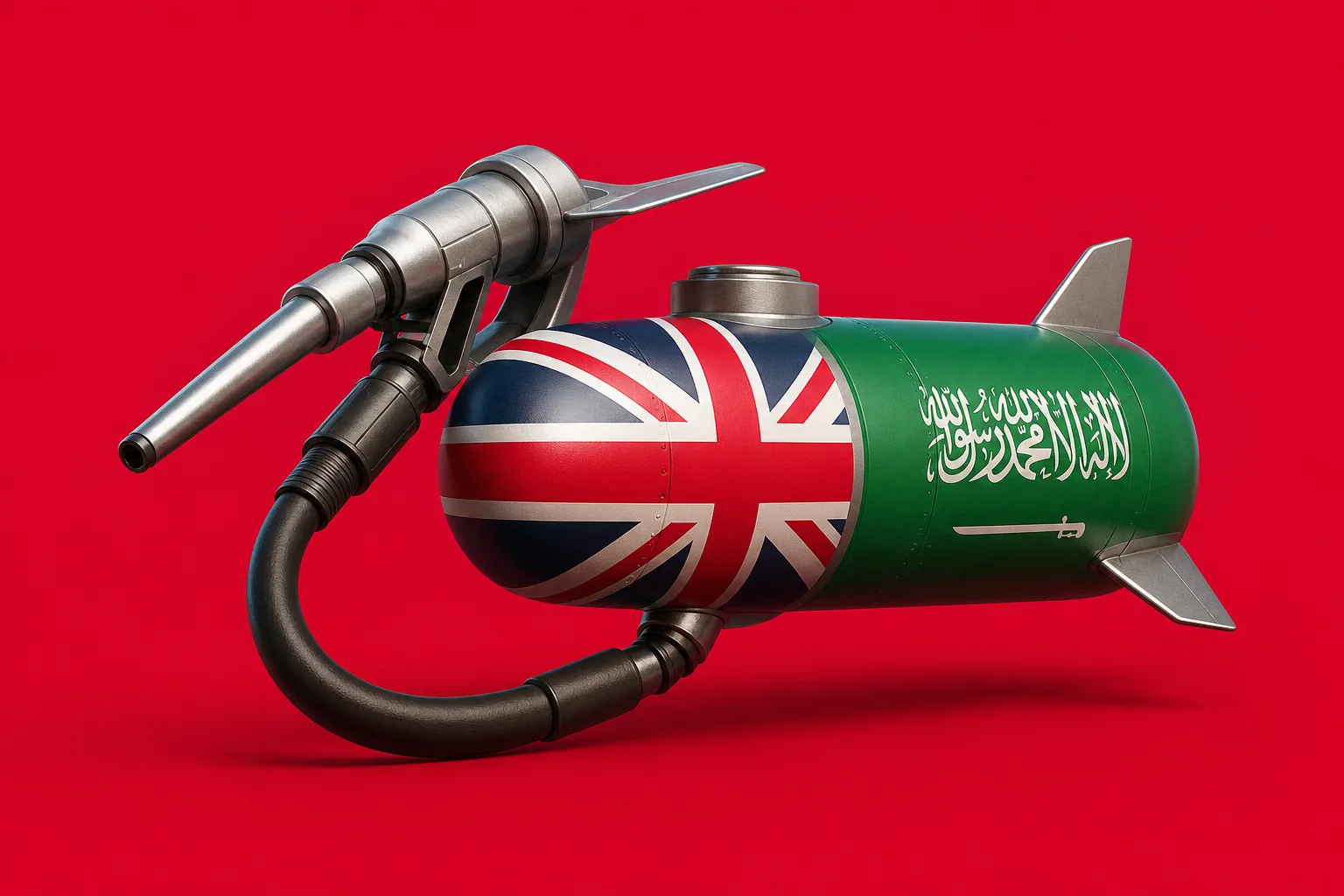
UK military support to Saudi Arabia has been formally approved, but the scope is far narrower than many in the region had anticipated. London authorized air-to-air refueling support for Saudi aircraft, framing the step as a defensive measure tied to regional security and the protection of critical energy routes.
The decision follows intensified pressure on Saudi infrastructure and transport links, including the disruption of the East-West pipeline after a drone attack. For markets, the key issue is not the scale of the UK deployment itself, but what it signals about rising concern over oil flows, Red Sea stability, and the risk of a broader regional escalation.
Prime Minister Andy Burnham linked the move directly to keeping oil pathways open, underscoring how energy security remains central to the policy response. That makes this more than a diplomatic gesture: it is also a message to commodity markets watching geopolitical risk in the Gulf and along vital shipping corridors.
Key Facts
- The UK approved military support to Saudi Arabia limited to aerial refueling for defensive air missions over Yemen.
- UK officials indicated the arrangement would begin within days and initially involve one RAF Voyager tanker aircraft.
- The policy shift followed a drone attack that took Saudi Arabia’s East-West pipeline offline, raising fears of wider energy disruptions.
- Prime Minister Andy Burnham said the decision was intended in part to keep oil transport pathways open in the region.
- The conflict backdrop includes repeated cross-border missile and drone attacks linked to Houthi forces targeting Saudi interests.
UK Military Support to Saudi Arabia
The immediate development is straightforward: Britain is offering logistical air support, not direct combat participation. The distinction matters. Aerial refueling extends the range and endurance of Saudi aircraft, but it stops short of committing British fighter jets or ground forces to the Yemen conflict. That makes the policy both operationally useful and politically contained.
Even so, the decision carries weight beyond its limited military footprint. It comes at a moment when attacks on infrastructure, pipelines, and cross-border energy assets are forcing governments to reassess the security of oil supply chains. By emphasizing the need to preserve open oil pathways, the UK signaled that the economic consequences of regional instability are now inseparable from the defense debate.
Those affected include energy markets, shipping operators, defense contractors, and investors with exposure to crude prices, Middle East sovereign risk, and European security policy. The move also suggests Riyadh’s partners are willing to offer selective support while avoiding a deeper military entanglement in Yemen, where the risk of escalation remains difficult to price.
Britain’s decision is limited in military scope, but it sends a broader market message: protecting oil routes and regional infrastructure is becoming a strategic priority again.
Why the East-West Pipeline and Red Sea Matter
The East-West pipeline is strategically important because it offers Saudi Arabia an overland route that can reduce reliance on more vulnerable maritime chokepoints. When that system is disrupted, even temporarily, investors are reminded that supply resilience depends on both infrastructure redundancy and regional deterrence.
The Red Sea adds another layer of sensitivity. Any sustained threat to shipping in or near that corridor can affect freight costs, insurance rates, and delivery schedules for crude and refined products. For commodity traders, the issue is less about one tanker aircraft and more about whether attacks become frequent enough to change risk premiums across energy and transport markets.
Implications for Investors
For investors, the main takeaway is that geopolitical risk in Middle East energy corridors remains active and potentially underpriced during calm periods. A limited UK role may reassure allies without dramatically altering the military balance, but it reinforces the seriousness of the threat environment around Saudi assets and shipping lanes. That can support higher volatility in crude benchmarks if attacks intensify.
Energy equities, oil services names, shipping insurers, and defense stocks could all react to further developments. Companies with exposure to Gulf export flows may face shifting expectations around supply reliability, while defense-related firms could benefit if allied governments expand logistical and support missions. At the same time, a contained response from London suggests policymakers still want to avoid a large-scale intervention that could trigger sharper market stress.
Investors should also watch whether other countries deepen their involvement. The article references pressure on partners including Egypt, France, Turkey, and Pakistan, alongside the recently signed Mecca Defense Pact involving Pakistan and Egypt. Any broader multinational support effort would likely raise the stakes for oil, tanker rates, and regional sovereign spreads, especially if additional infrastructure comes under attack.
The next signals to monitor are operational rather than rhetorical: whether the UK deploys more than one refueling aircraft, whether attacks on Saudi or transit infrastructure increase, and whether Red Sea shipping faces fresh disruptions. If those indicators worsen, markets may start assigning a higher and more durable premium to regional energy risk.