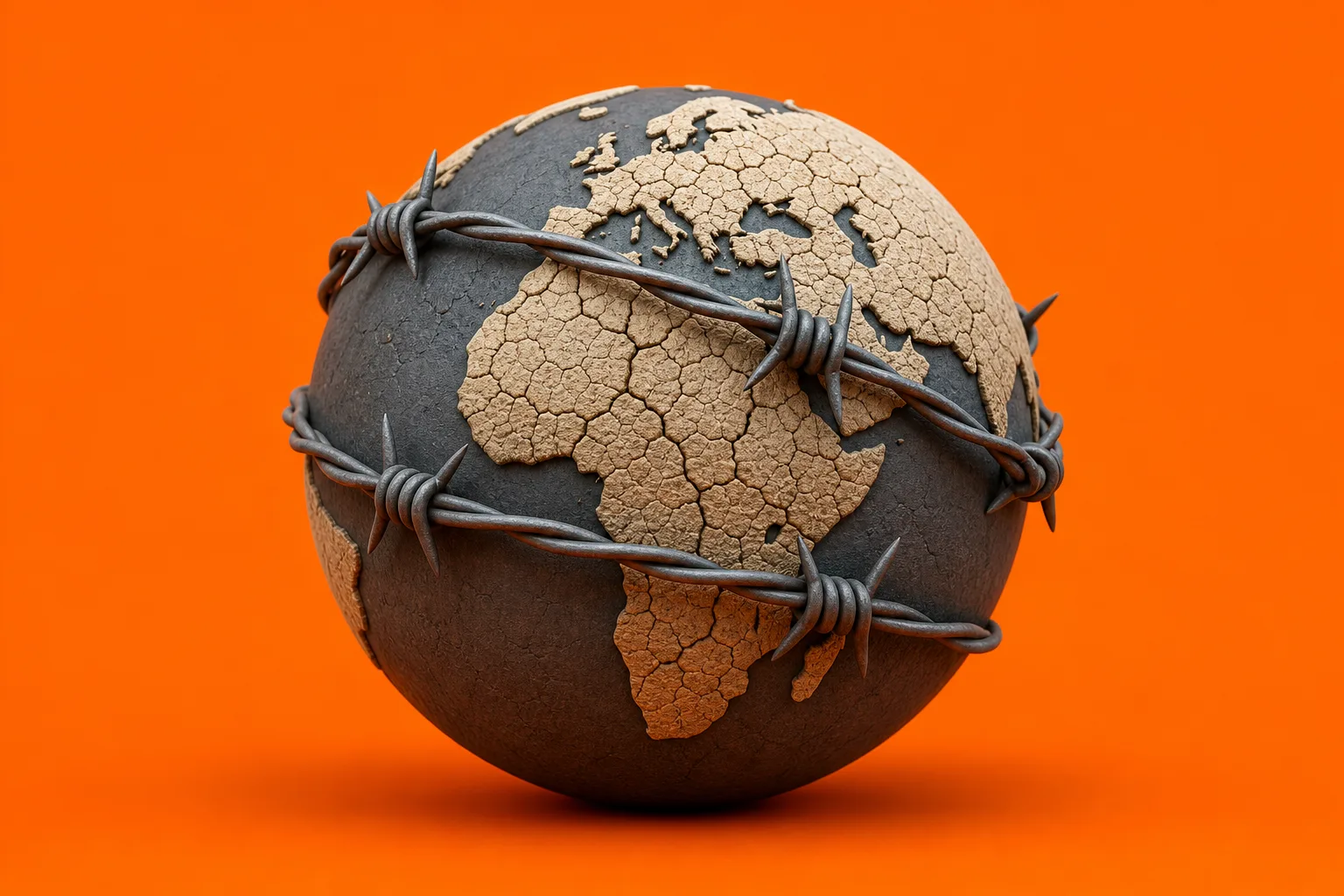
The UN food agency has intensified its warning over the economic fallout of the Iran war, arguing that prolonged conflict in Iran and the Persian Gulf is pushing millions of people toward acute hunger far beyond the immediate battlefield.
The starkest figures are concentrated in fragile economies: an additional 2.5 million people in Somalia, 2.3 million in Afghanistan, and 1.3 million in Sri Lanka are now struggling to meet basic nutritional needs as food and fuel costs rise.
The warning matters for investors because it links geopolitical instability directly to inflation, trade disruption, humanitarian financing stress, and the outlook for commodity-sensitive emerging markets.
Key Facts
- The UN food agency estimates 2.5 million more people in Somalia are facing difficulty meeting basic food needs due to the conflict’s spillover effects.
- In Afghanistan, the agency says an additional 2.3 million people are struggling with daily nutrition affordability pressures.
- In Sri Lanka, another 1.3 million people are estimated to be under increased food stress.
- A March projection warned that 45 million people worldwide could be pushed into severe food insecurity by the end of June 2026.
- UN-wide assessed contribution collections covered only 76.7% of obligations, with outstanding dues reaching $1.568 billion at the end of 2025.
Iran war food insecurity
The agency’s latest assessment frames the Iran war as a macroeconomic shock as much as a humanitarian emergency. The central transmission channels are familiar to markets: higher energy prices, elevated transport costs, disrupted shipping networks, and rising import bills for countries that already spend a large share of income on food.
That combination is especially damaging in lower-income import-dependent economies. When oil rises, fertilizer, freight, irrigation, storage, and retail distribution costs often follow. In countries where households already devote most of their income to staples, even modest increases in bread, rice, cooking oil, or fuel can sharply reduce calorie intake. The agency’s analysis suggests that this is no longer a forward-looking risk but an active deterioration in living conditions.
The warning also underscores an important timing issue for investors and policymakers: humanitarian and inflationary effects can intensify even if military tensions cool. Supply chains do not reset instantly, and food-price pass-through typically continues after the initial energy shock. That lag raises the probability of prolonged stress for frontier and emerging economies with weak fiscal buffers, fragile currencies, or heavy reliance on imported staples.
“Even if the Middle East crisis de-escalates, the economic aftershocks for food security are likely to intensify in the months ahead.”
Why funding constraints make the crisis harder to contain
The food-security outlook is being worsened by a second pressure point: reduced humanitarian funding. The agency has already been forced to ration assistance to millions of vulnerable people after broad international funding cuts, limiting its ability to offset the effects of surging food and fuel costs.
That matters because emergency food support can act as a stabilizer in economies under stress. When aid flows weaken at the same time that import costs rise, the burden shifts to governments that may already be struggling with debt, currency weakness, or budget shortfalls. Somalia and Afghanistan stand out as particularly exposed, and both have been highlighted as urgent priorities for donor support.
Implications for Investors
For investors, the immediate takeaway is that the Iran war’s impact extends beyond crude benchmarks and defense shares. Food insecurity on this scale can feed into sovereign risk, currency pressure, and social instability in import-dependent countries. Markets with already-fragile balance-of-payments positions may face renewed stress if oil and grain-linked costs remain elevated through the second half of 2026.
There are several watch points. First, sustained energy-price strength can keep headline inflation higher in vulnerable emerging markets, complicating central-bank easing cycles. Second, shipping disruption in the Gulf region may prolong freight volatility and squeeze margins for companies dependent on long-haul commodity flows. Third, weakened humanitarian financing raises the risk of deeper economic deterioration in fragile states, which can spill into migration, security costs, and regional political instability.
Investors with exposure to frontier debt, emerging-market consumer names, food importers, logistics, or agricultural inputs should monitor both commodity markets and aid financing trends. A de-escalation in military tensions would help sentiment, but the agency’s analysis suggests the food-security and macroeconomic consequences may continue to build after any diplomatic breakthrough.
The next phase of this story will depend on whether energy markets stabilize, shipping routes normalize, and donor funding improves. Until then, the Iran war is likely to remain a significant driver of humanitarian risk and a meaningful variable for inflation-sensitive portfolios.