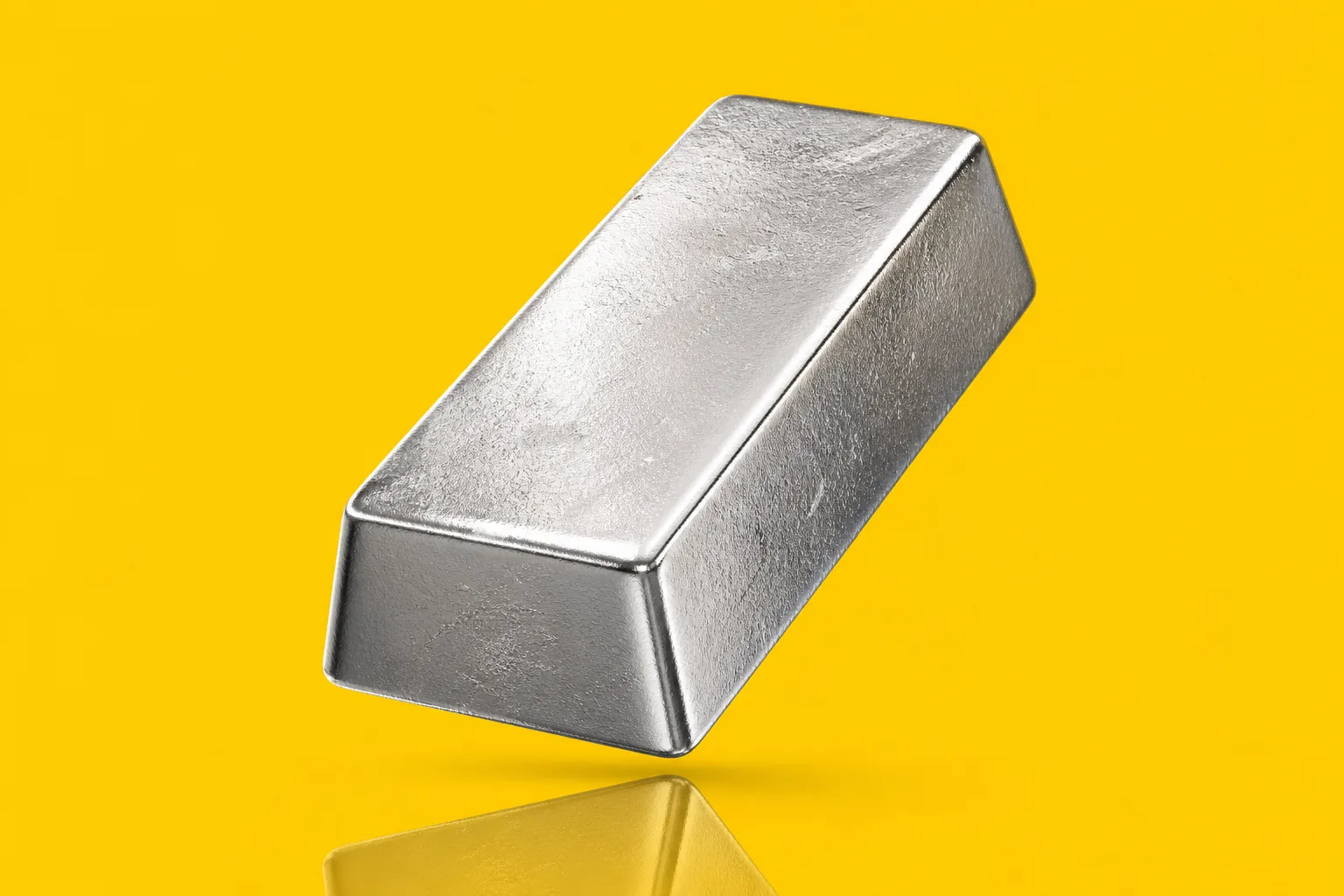
Silver is back at the center of investor discussions in 2026, driven by a mix of industrial demand and defensive portfolio positioning. Its appeal rests on a rare combination: silver is both a core manufacturing input and a financial asset that can attract capital during periods of inflation, currency pressure, or market unease.
That dual role is what makes silver especially relevant in 2026. Demand tied to solar panels, electric vehicles, semiconductors, and electronics is colliding with renewed interest from investors seeking diversification beyond stocks and bonds.
But silver’s attraction comes with a warning. The same forces that can push prices higher can also create sharp swings, making the metal a potential opportunity for disciplined investors and a risk for those underestimating its volatility.
Key Facts
- Silver demand in 2026 is being supported by industrial use in solar panels, electric vehicles, semiconductors, and consumer electronics.
- Silver is often treated by investors as a store of value during inflationary periods, currency weakness, and broader economic uncertainty.
- Supply conditions depend on mining output, recycling activity, production costs, and geopolitical developments in major producing regions.
- Exchange-traded products, physical bullion, mining shares, and derivatives remain among the main routes for accessing silver markets.
- CFDs linked to silver carry elevated risk, with 76% of retail investor accounts losing money rapidly due to leverage with one provider mentioned in the original material.
Silver in 2026
The central story for silver in 2026 is its growing strategic importance across multiple parts of the global economy. Few commodities sit as directly at the intersection of energy transition spending, electronics manufacturing, and macroeconomic hedging. That makes silver more complex than many other metals and more responsive to a wider set of catalysts.
On the industrial side, silver’s conductivity and durability keep it deeply embedded in technologies tied to electrification and renewable energy. Solar panel production remains a major watch point because photovoltaic demand can influence expectations for physical consumption. Electric vehicles, semiconductor fabrication, and consumer electronics add further layers of support, especially when manufacturing activity is expanding.
For investors, the attraction goes beyond factories and supply chains. Silver has long occupied a middle ground between industrial metals such as copper and monetary metals such as gold. When inflation expectations rise or confidence in financial assets weakens, silver can draw buying interest from investors looking for diversification. At the same time, because silver is a smaller and more volatile market than gold, those inflows can amplify price moves in both directions.
Silver’s 2026 appeal comes from its rare ability to act as both an energy-transition metal and a market stress hedge, but that same dual role can magnify volatility.
Why the Supply Side Matters
Demand is only half the equation. Silver prices are also shaped by how much metal reaches the market through mine production and recycling. Any disruption in key producing regions, whether from geopolitics, labor issues, permitting delays, or rising extraction costs, can tighten supply and quickly alter price expectations.
Investors should also remember that industrial optimism does not guarantee a straight-line increase in silver consumption. Manufacturers continue to look for ways to reduce material use, improve efficiency, or redesign products. If technological advances lower silver intensity in solar panels or electronics, demand growth could moderate even in expanding end markets.
Implications for Investors
For portfolio construction, silver can serve several different roles, but each comes with trade-offs. Long-term investors may see it as a diversification asset with exposure to both precious metals sentiment and structural industrial themes. That makes silver potentially useful in portfolios seeking a hedge against inflation, currency weakness, or macroeconomic instability while also maintaining exposure to clean-energy and technology supply chains.
However, silver is not a low-volatility defensive asset. It can react sharply to interest-rate expectations, U.S. dollar strength, manufacturing data, and shifts in risk appetite. In periods when industrial activity slows, silver can underperform even if some investors still view precious metals favorably. Conversely, in strong growth periods, the metal may benefit from industrial demand yet remain vulnerable if real yields rise and pressure investor appetite for non-yielding assets.
The choice of investment vehicle matters as much as the outlook. Physical bullion offers direct exposure but can involve storage and insurance costs. Exchange-traded products may provide easier access and liquidity, while mining stocks add company-specific risks such as execution, balance-sheet pressure, and jurisdiction exposure. Derivatives and leveraged products can magnify returns, but they also increase the speed and scale of losses, particularly for short-term traders.
Key watch points for 2026 include renewable energy installation trends, electric-vehicle production growth, semiconductor demand, mine supply disruptions, recycling flows, inflation expectations, and central-bank policy. Investors tracking silver should also monitor whether technology shifts reduce the amount of silver required per unit in major industrial applications.
Silver’s outlook in 2026 is compelling precisely because it is not a one-theme market. If industrial expansion and defensive capital flows continue to overlap, the metal could remain a focal point for investors, but positioning will need to account for fast-moving swings in both sentiment and fundamentals.