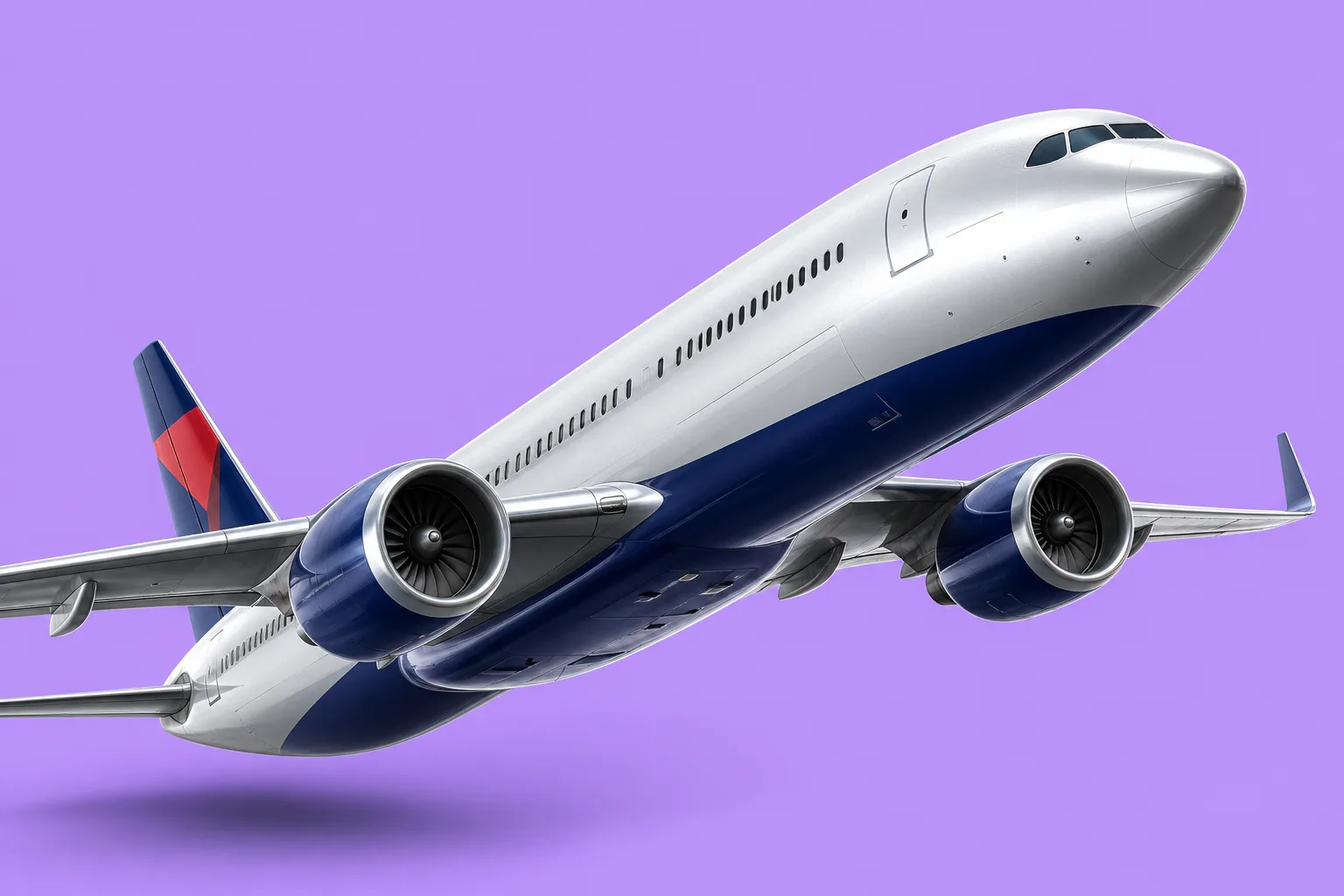
Delta Air Lines encountered a significant operational setback on November 22, 2026, when an automation issue at Hartsfield-Jackson Atlanta International Airport disrupted flights at the carrier’s largest hub. The problem led to delays averaging about one hour and forced the airline to slow departures as staff shifted to manual procedures.
The Delta Atlanta automation issue arrived at a sensitive moment for the aviation sector, just as Thanksgiving travel demand accelerated. Because Atlanta is Delta’s primary connecting hub, even a localized system failure had the potential to spread delays across the airline’s broader domestic network.
For investors, the episode is a reminder that airline performance during peak holiday periods depends not only on demand and fuel costs, but also on operational resilience and technology reliability.
Key Facts
- Delta requested a ground delay program for flights into Atlanta, with delays averaging about one hour.
- The disruption centered on automated weight-and-balance calculations for departing flights at Hartsfield-Jackson Atlanta International Airport.
- Staff were required to count bags and calculate aircraft weight manually while systems were being restored.
- Atlanta is Delta’s biggest hub and primary connecting point, increasing the risk of network-wide knock-on delays.
- The incident unfolded on November 22, 2026, at the start of the Thanksgiving travel rush.
Delta Atlanta Automation Issue
The immediate problem was tied to a failure in the system used to automate weight-and-balance calculations for departing aircraft. That process is central to safe and efficient airline operations because it determines how passenger, baggage, and cargo loads are distributed before takeoff. When the automated tool became unavailable, Delta had to rely on slower manual calculations, constraining aircraft turnaround times.
The operational significance goes beyond a single airport delay board. Atlanta functions as the backbone of Delta’s domestic connecting system, meaning disruptions there can affect aircraft rotations, crew scheduling, gate availability, and onward passenger connections throughout the day. Hundreds of delayed flights concentrated at one hub can ripple into other major markets, especially during a period when load factors are typically high.
The timing also matters. Thanksgiving is one of the most important travel periods on the U.S. calendar, with carriers aiming to maximize asset utilization and preserve customer satisfaction. A one-hour average delay may sound manageable in isolation, but at scale it can raise rebooking costs, pressure customer-service staffing, and affect near-term operational metrics if disruptions persist.
When automation fails at a major airline hub during a holiday travel surge, even routine flight calculations can quickly become a network-wide bottleneck.
Why Weight-and-Balance Systems Matter
Weight-and-balance tools are not a back-office convenience; they are embedded in the final dispatch process for commercial flights. Airlines use them to confirm that an aircraft can depart safely within operating limits based on passenger counts, baggage loads, cargo, and fuel. Any interruption in that workflow can slow departures even if aircraft, crews, and passengers are otherwise ready to go.
Manual fallback procedures help preserve safety, but they reduce throughput. At a hub the size of Atlanta, that creates compounding effects because gates remain occupied longer, inbound aircraft may need to wait for space, and connection windows tighten across the network.
Implications for Investors
For airline investors, the event highlights a persistent but often underappreciated risk: technology outages can affect revenue capture and operating efficiency just as much as weather or air traffic constraints. During peak travel weeks, carriers have limited room to absorb delays because planes are heavily scheduled and passenger volumes are elevated. Even a short-lived systems issue can produce extra labor costs, compensation expense, and reputational damage.
In the near term, investors will likely watch whether Delta discloses any measurable financial effect from the disruption, especially if delays cascaded well beyond Atlanta. The more important question may be whether the incident was isolated or part of a broader pattern of operational technology fragility across transportation and other critical industries. Recent service interruptions affecting major corporations and transportation infrastructure have increased scrutiny around digital resilience.
For portfolios, this does not necessarily change the long-term case for airline demand, but it does reinforce the importance of execution. Investors should monitor on-time performance trends, management commentary on system redundancy, and capital spending related to operational technology. In a margin-sensitive business, resilience investments can become a competitive differentiator during high-volume travel periods.
Attention will now shift to the root cause of the outage and how quickly full automation was restored. If Delta can contain the incident to a brief holiday disruption, the market impact may be limited; if similar failures recur, technology reliability could become a more prominent factor in airline valuation.